BLOG

Codex Adopts New Global Rules for "May Contain" Warnings – A Significant Step Forward for Coeliac Patients
At Gluten-Free Hub EU, we strive not only to keep you informed about where to buy or enjoy safe gluten-free food, but also about the most important developments affecting the lives of people with coeliac disease.
A few weeks ago, we reported on the AOECS webinar, where proposed changes to allergen-labelling rules were presented. Now, official confirmation has arrived – on 6 July 2026, at its 48th session, the Codex Alimentarius Commission adopted new international guidelines for precautionary allergen labelling (PAL), which consumers know primarily through warnings such as "may contain". Although changes on product labels will not happen overnight, this is a major milestone that will shape food legislation around the globe, including in the European Union, in the crucial years to come.
What exactly is Codex Alimentarius?
Codex Alimentarius is an international collection of food safety and labelling standards developed by the World Health Organization (WHO) and the Food and Agriculture Organization (FAO) of the United Nations.
While Codex standards are not directly binding legislation, they form the foundation upon which many countries – including the European Union – base their own regulations. Therefore, Codex decisions have a powerful influence on future food labelling rules.
What is changing?
The new regulations lay down several key principles.
The "may contain" warning will only be allowed when there is an actual risk
One of the biggest challenges for people with coeliac disease is the over-use of may contain labels. Today, many manufacturers use them purely as a legal shield, even when the risk of contamination is negligible or non-existent.
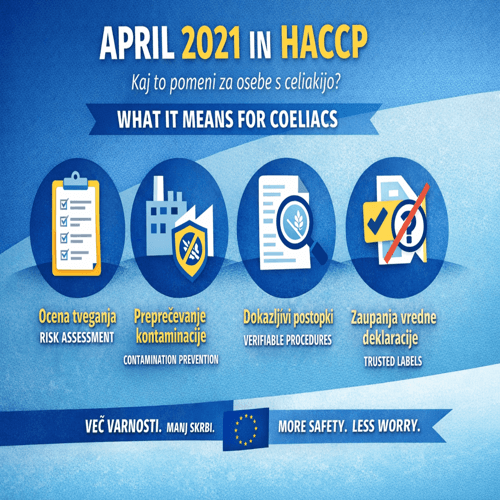
Under the new guidelines, manufacturers must conduct a thorough risk assessment before using such a warning. The warning will only be permitted if there is a real risk exceeding specific reference values.
This means that we should see far fewer unnecessary warnings on shelves in the future.
Manufacturers must actively minimise cross-contamination
Rather than letting companies rely simply on a may contain warning, the new rules place a strong emphasis on preventing cross-contamination in the manufacturing process.
This places greater responsibility on manufacturers and potentially means a wider choice of products free from unnecessary warnings.
Gluten is now officially included in the system
When the drafting of these guidelines began, gluten was not even properly covered initially.
Following dedicated efforts by the AOECS and coeliac organisations from Europe, Canada, and the US, gluten-containing cereals have now been officially integrated into the new rules.
This represents significant global recognition of the needs of people with coeliac disease.
"Gluten-free" and "may contain" cannot feature on the same product
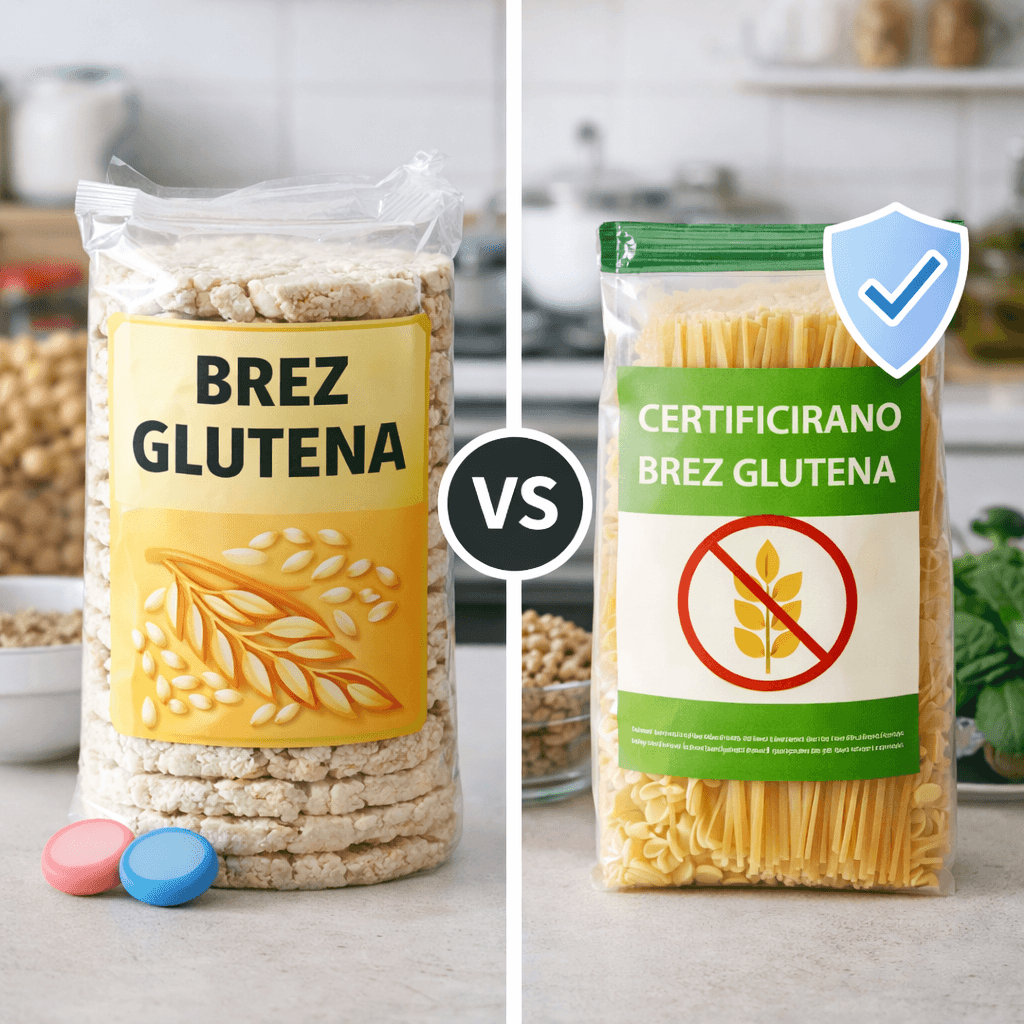
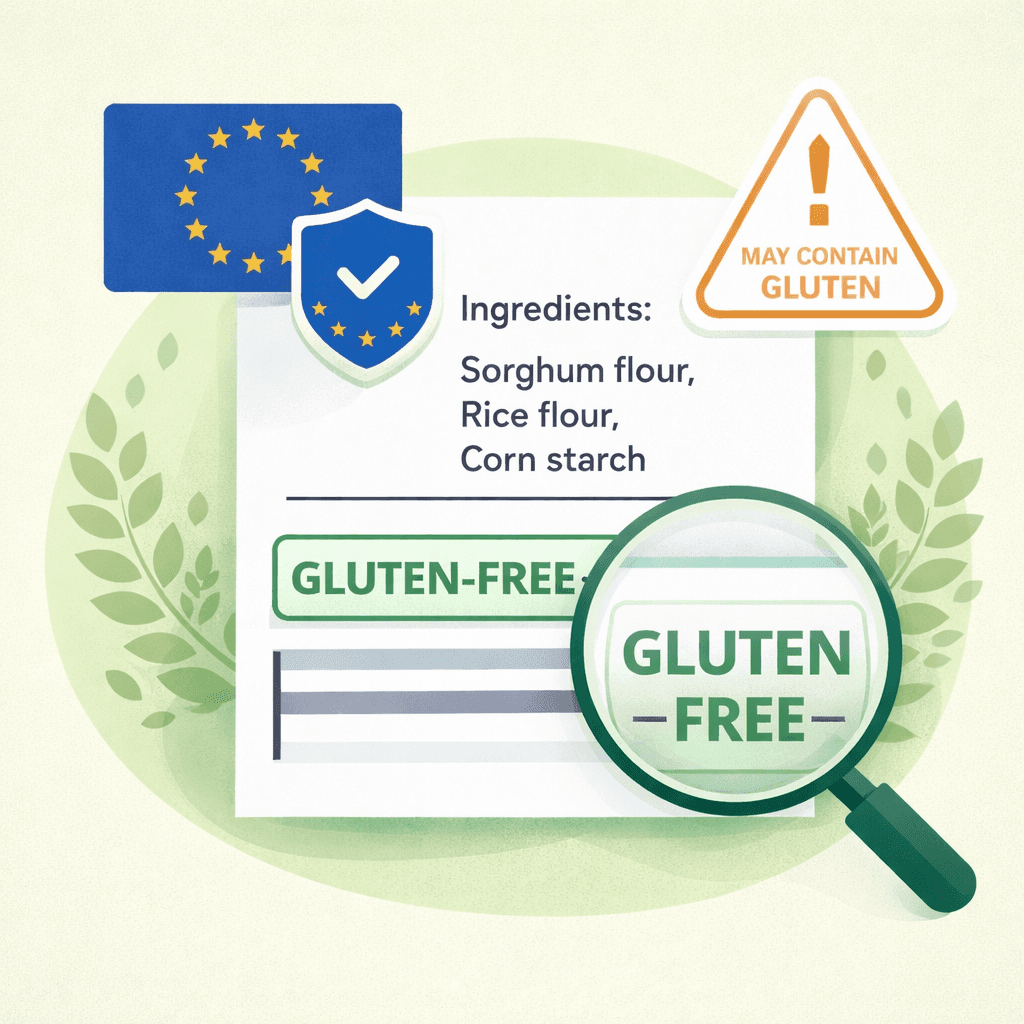
The new rules clearly state that a product labelled as gluten-free must not carry a may contain gluten warning at the same time.
This is an exceptionally important change, as it confirms that a gluten-free claim represents something completely different from a precautionary warning.
A product can only be labelled as gluten-free if it meets the strict requirements for gluten-free foods.
What does this mean for people with coeliac disease?
Once these guidelines are gradually implemented into European legislation, we can expect several important improvements:
fewer unsubstantiated may contain labels;
more consistent rules across different countries;
greater trust in food labelling;
more products free from unnecessary warnings;
better management of cross-contamination in manufacturing.
This does not mean that may contain warnings will disappear entirely. They will still be used where a genuine risk exists. Crucially, however, they will carry much greater value and reliability than they do today.
What comes next?
The adoption of these guidelines is only the first step.
Now, individual governments and the European Union must draft legislation to translate these recommendations into practice. This process is likely to take several years.
However, the direction of travel is clear.
After years of campaigning against the over-use of may contain statements, international standards are moving towards a more scientifically justified, transparent, and consistent approach to labelling.
For people with coeliac disease, this is indeed very welcome news.
Gluten-Free Hub EU will continue to monitor developments closely and keep you updated on all important changes.
Blog posts