BLOG
Oats do not naturally contain gluten
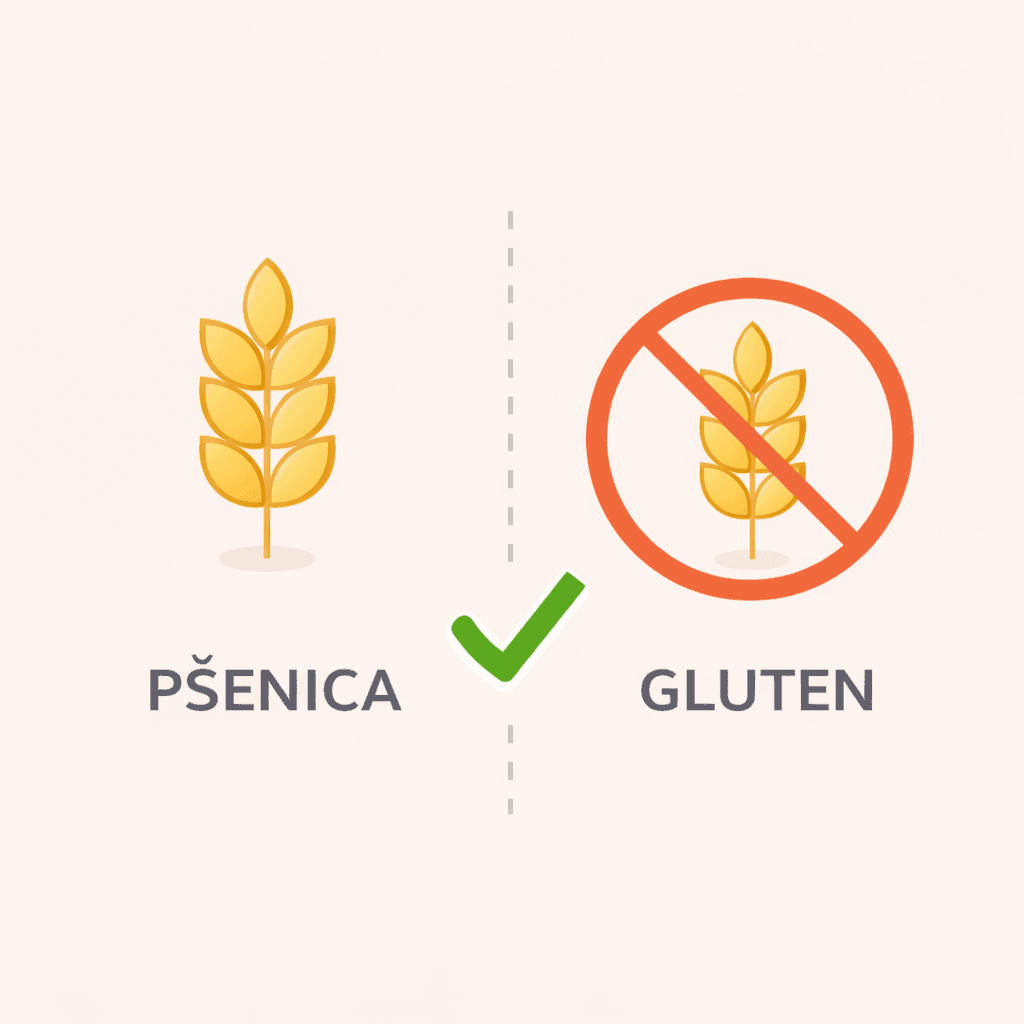
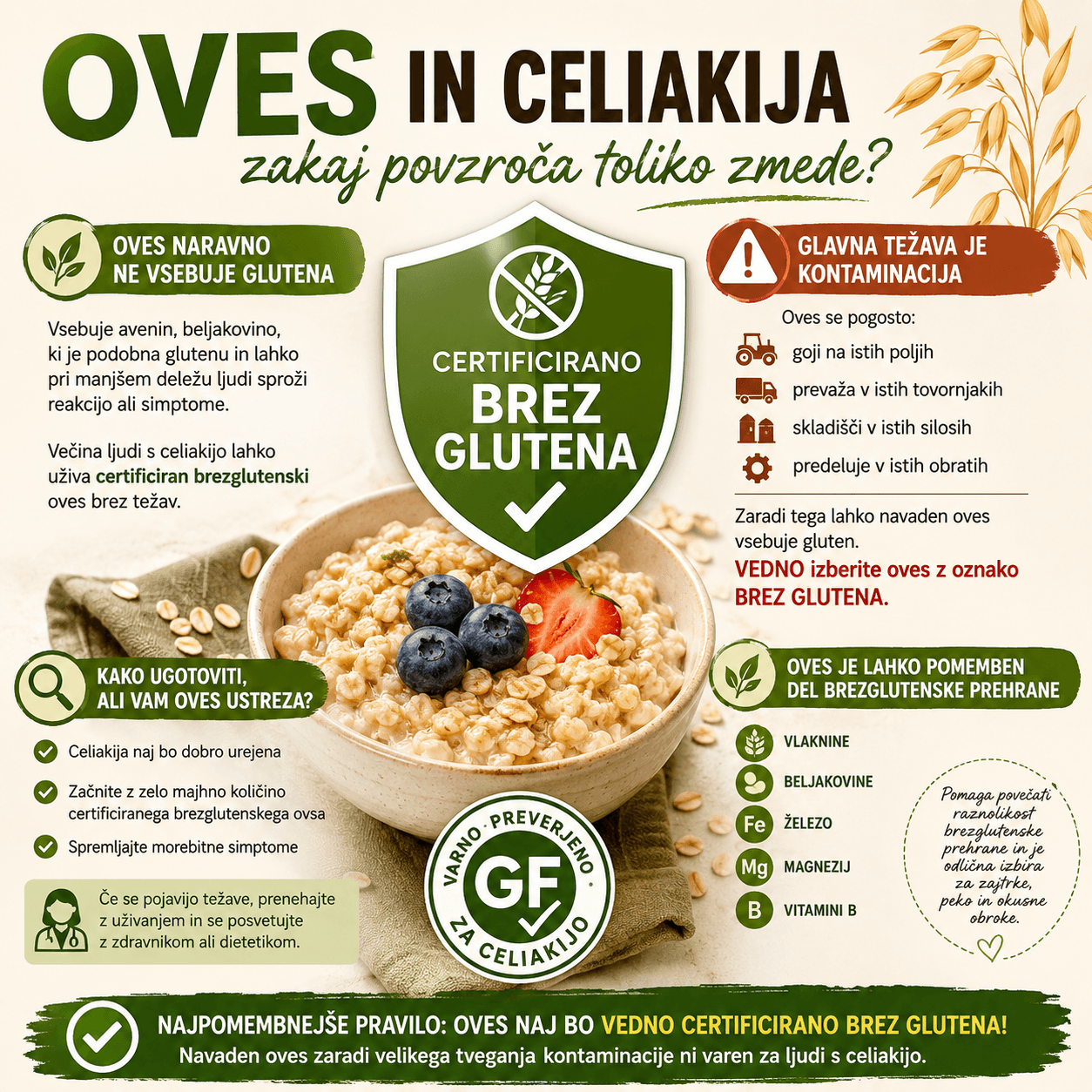
Gluten is the common name for proteins found in wheat, barley and rye. Oats do not naturally contain these proteins.
However, they contain another type of protein, called avenin. This is somewhat similar in structure to gluten, so in a small proportion of people with coeliac disease it can trigger an immune response or symptoms.
Research shows that most people with coeliac disease tolerate certified gluten-free oats without difficulty, but a small percentage do not tolerate avenin well.
The main issue is contamination
The greatest risk with oats is not the oats themselves, but contamination with gluten.
Oats are often:
grown in the same fields as wheat or barley
transported in the same lorries
stored in the same silos
processed in the same mills or production facilities
For this reason, ordinary oats can contain significant amounts of gluten, even though they are not themselves a gluten-containing cereal.
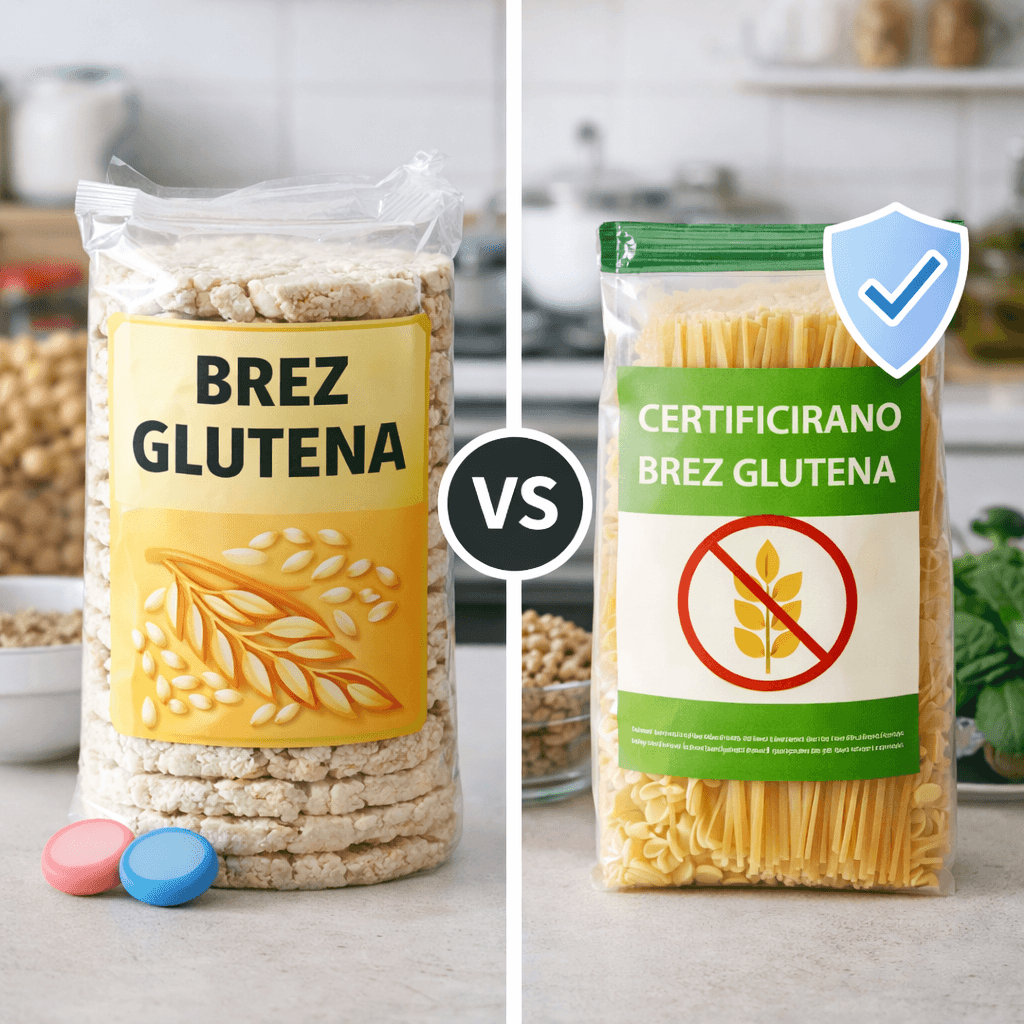
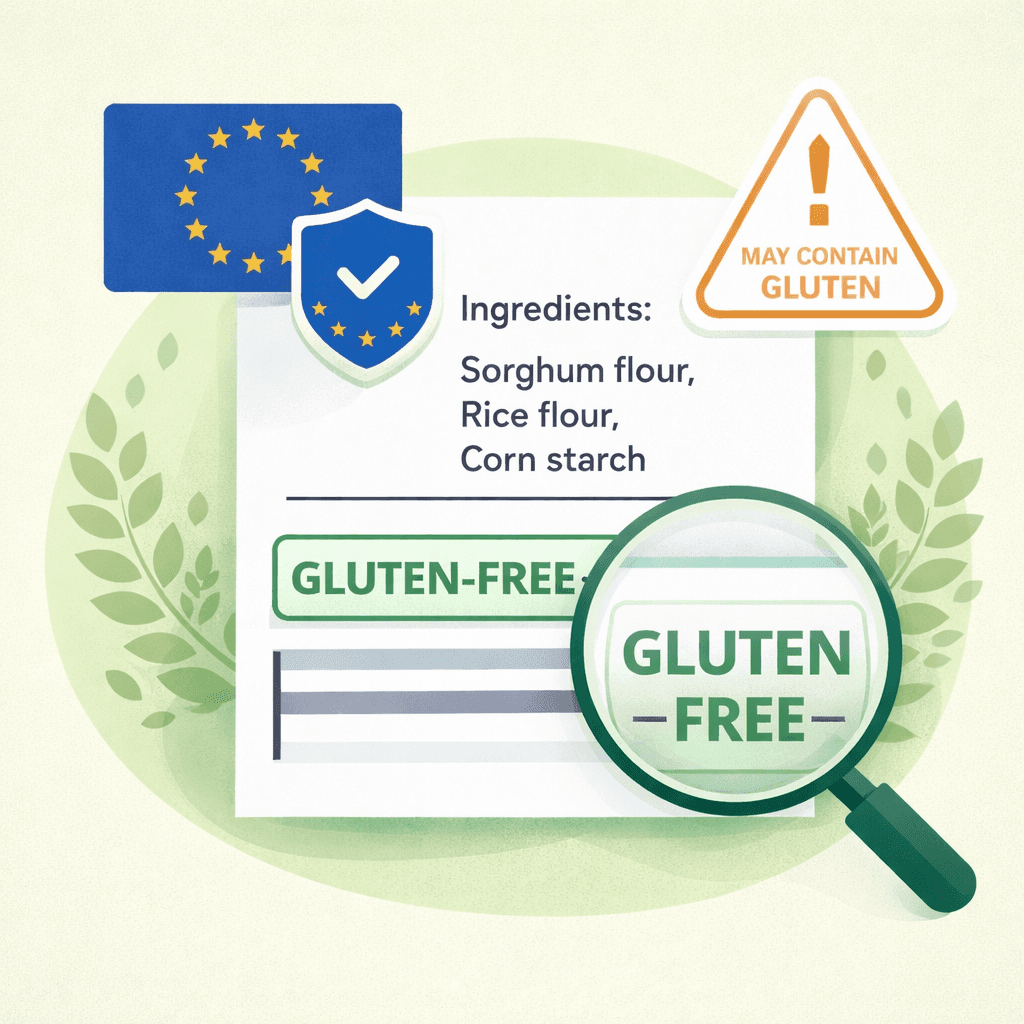
That is why it is very important that people with coeliac disease eat only oats that are clearly labelled as gluten-free or carry a gluten-free certification.
Such products are grown and processed under stricter control so that the gluten content remains below a safe limit.
All Oat Products Must Be Labelled Gluten-Free
This doesn’t only apply to plain oats. All products containing oats – such as cereal bars, biscuits, breakfast cereals, granola or oat flour – must be specifically labelled gluten-free in order to be safe for people with coeliac disease.
If a product contains oats that are not certified gluten-free, there is a high risk of cross-contamination with wheat, barley or rye. This means such products are not suitable for people with coeliac disease, even though oats themselves do not naturally contain gluten.
Special care is also needed with oat flour. Like all flours, oat flour must be clearly labelled gluten-free to be considered safe for people with coeliac disease.
In allergen labelling, oats are often treated separately or specifically highlighted. This is because:
there is a high risk of gluten contamination
and because some people with coeliac disease react to avenin
How do you know whether oats are right for you?
At present there is no specific test that shows whether a person with coeliac disease tolerates avenin well.
The only way is to introduce certified gluten-free oats into the diet gradually and monitor the body's response.
Experts usually recommend:
that coeliac disease is well controlled first
that you start with a very small amount of certified gluten-free oats
and that you monitor any symptoms
If digestive problems, tiredness or other symptoms occur, it is advisable to stop eating oats and consult a doctor or dietitian.
Oats can be an important part of a gluten-free diet
If a person with coeliac disease tolerates oats well, they can be a very useful food.
Oats contain:
fibre
protein
iron
magnesium
B vitamins
In addition, they help to increase the variety of a gluten-free diet, which is often rather limited for many people.
Gluten-free oats can be an excellent choice for breakfasts, baking and preparing nutritious meals.
The most important rule
The rule for coeliac disease is simple:
oats should always be a certified gluten-free product.
Even though oats do not naturally contain gluten, ordinary oats are not safe for people with coeliac disease because of the high risk of contamination.
Blog posts