BLOG

✈️ Part 1: Coeliac disease on the road - from the shelf to a safe plate
💊 There Is No Medicine. But There Is Knowledge.
A pill for a headache, a pill for toothache, a pill for a sore throat ... but none for love, as the well-known song goes. Sadly, there is no medicine for coeliac disease either.
The only effective treatment is a strict gluten-free diet - for life. Coeliac disease cannot be cured and does not simply ‘go away’. Nor is it true that someone can be only slightly sensitive to it: even tiny amounts of gluten can trigger an immune response in a person with coeliac disease.
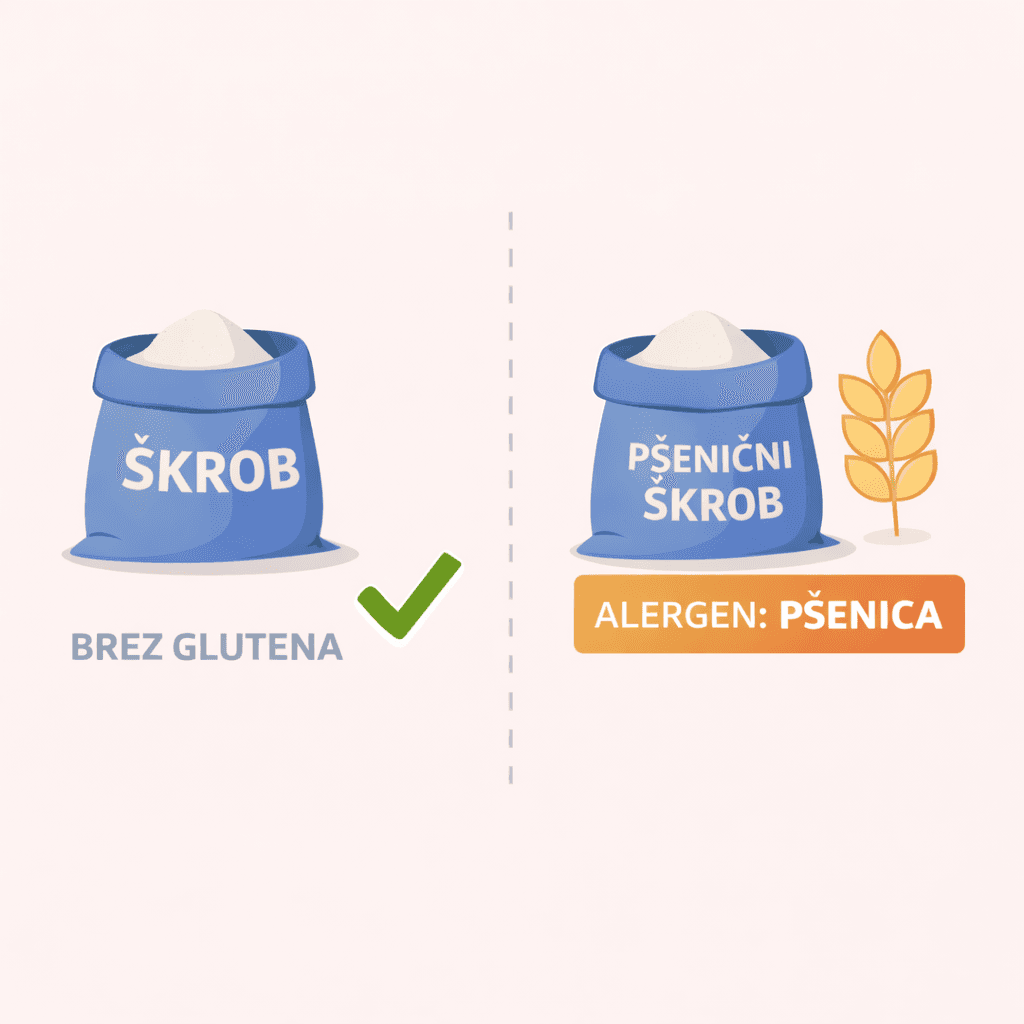
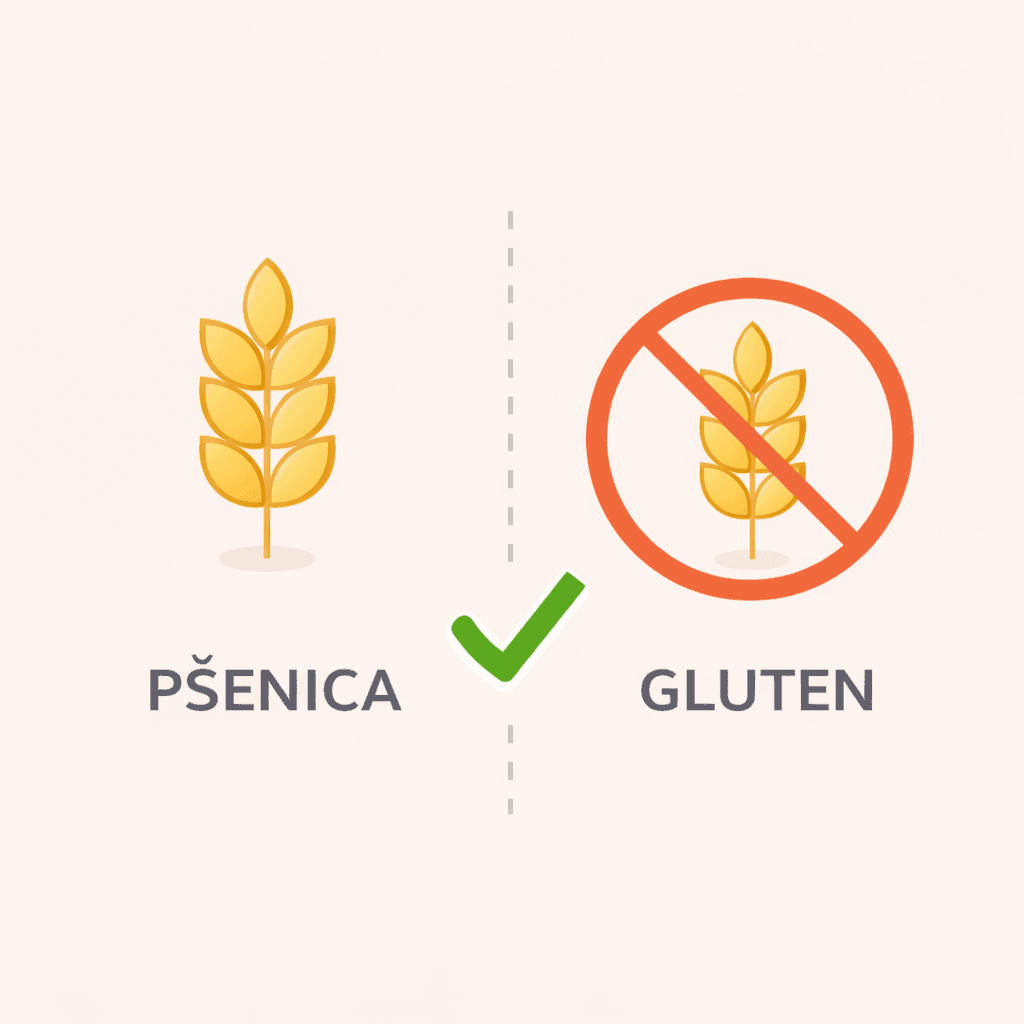
It is important to distinguish between coeliac disease and a wheat allergy. Coeliac disease is an autoimmune condition in which ingested gluten damages the villi of the small intestine, impairing the absorption of nutrients. A wheat allergy, by contrast, is an allergic immune-system response - an entirely different medical condition.
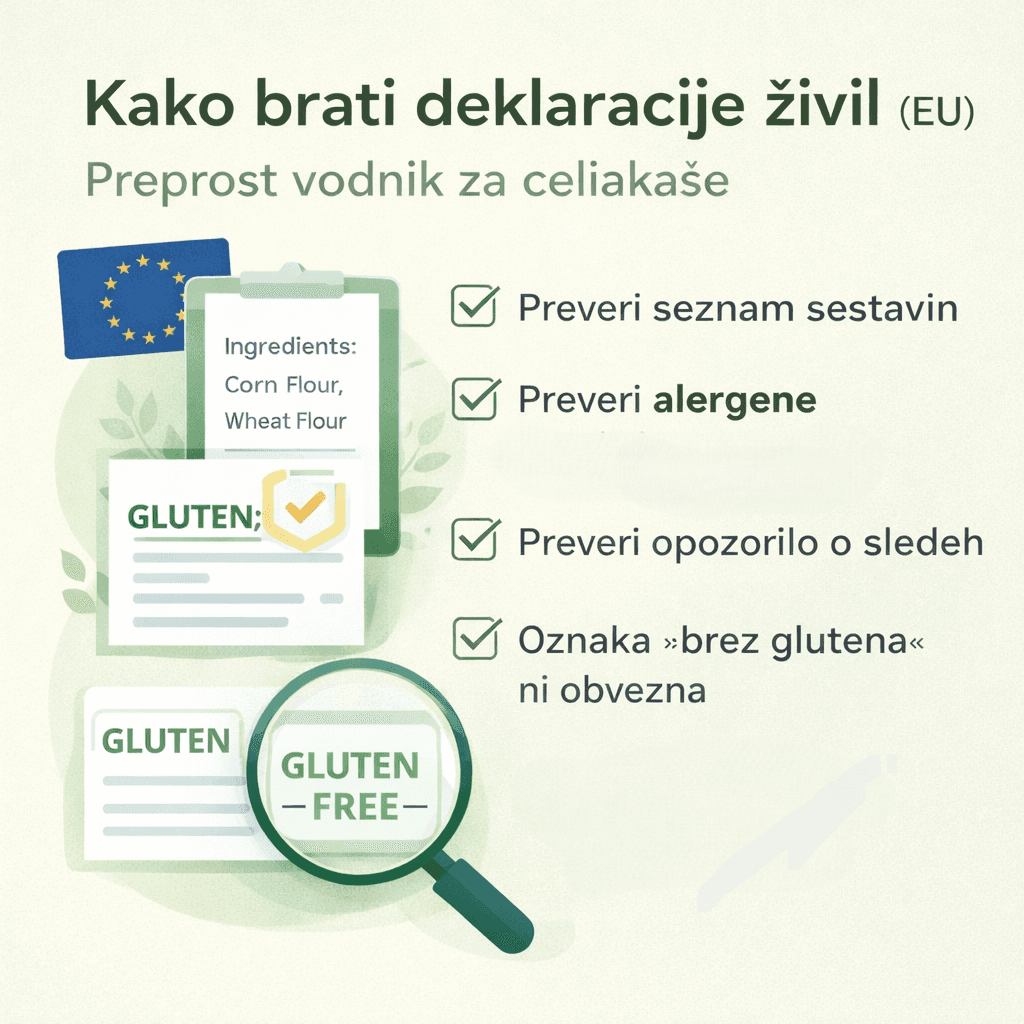
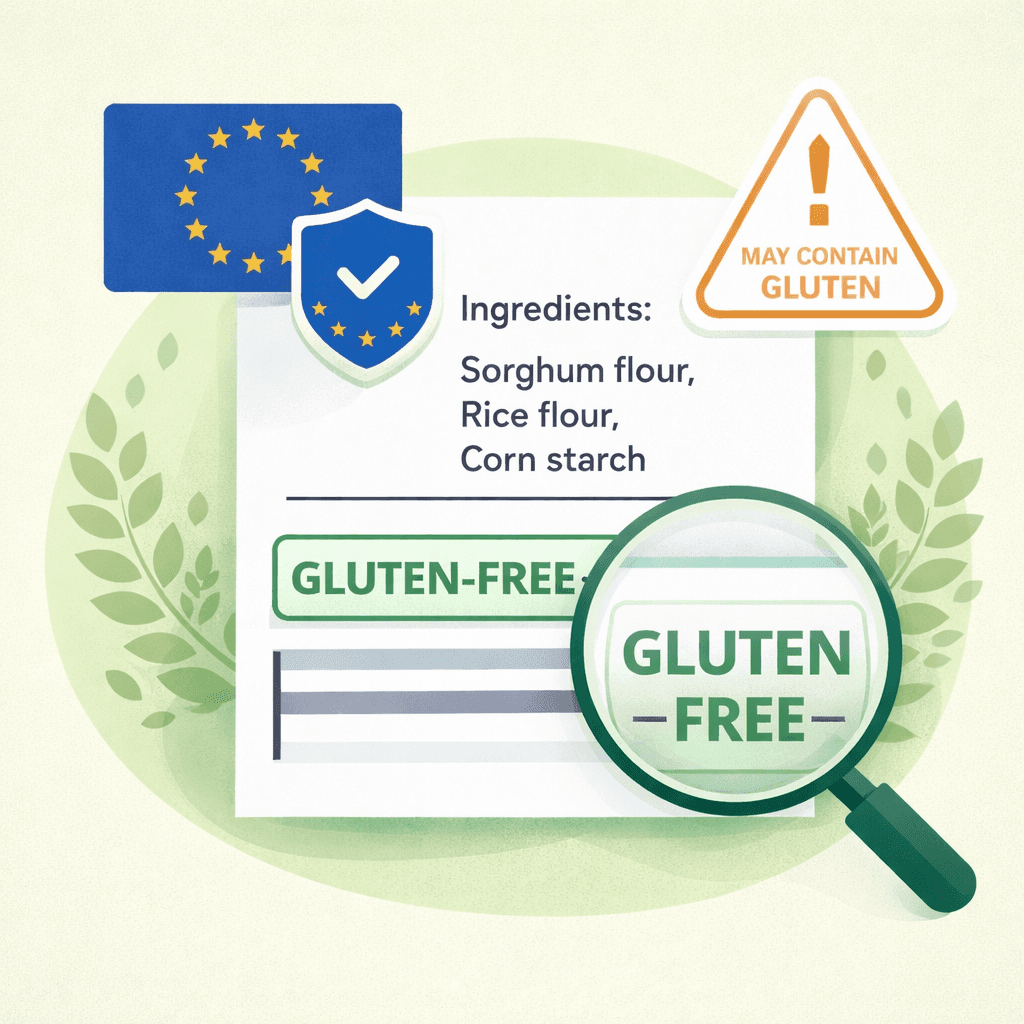
That is why careful reading of food labels is so important. In Slovenia, the labelling of allergens and gluten-free products is regulated in accordance with European legislation. Some European countries also have additional labels or benefits through national support schemes or patient registers. This can cause confusion and create the impression that products are safer elsewhere. In reality, clear labelling and responsible conduct by manufacturers are what matter most.
People with coeliac disease do not want to live in fear; we want to live normally. Everyone knows the feeling of arriving at a celebration, restaurant, or shop and finding that there is no safe meal for them. It is especially important that children are included from an early age, rather than excluded. Children often understand and accept differences far better than adults imagine.
Coeliac disease does not mean quarantine. With the right knowledge, responsible choices, and a little planning, a person can travel, explore the world, enjoy good food, and live a full life. Knowledge reduces risk; excessive alarm limits life.
That is why my wife and I travelled to the American state of Colorado this year, to explore how people with coeliac disease are supported on the other side of the Atlantic.
🛒 Shopping in Colorado: A Big Label Is Not Enough
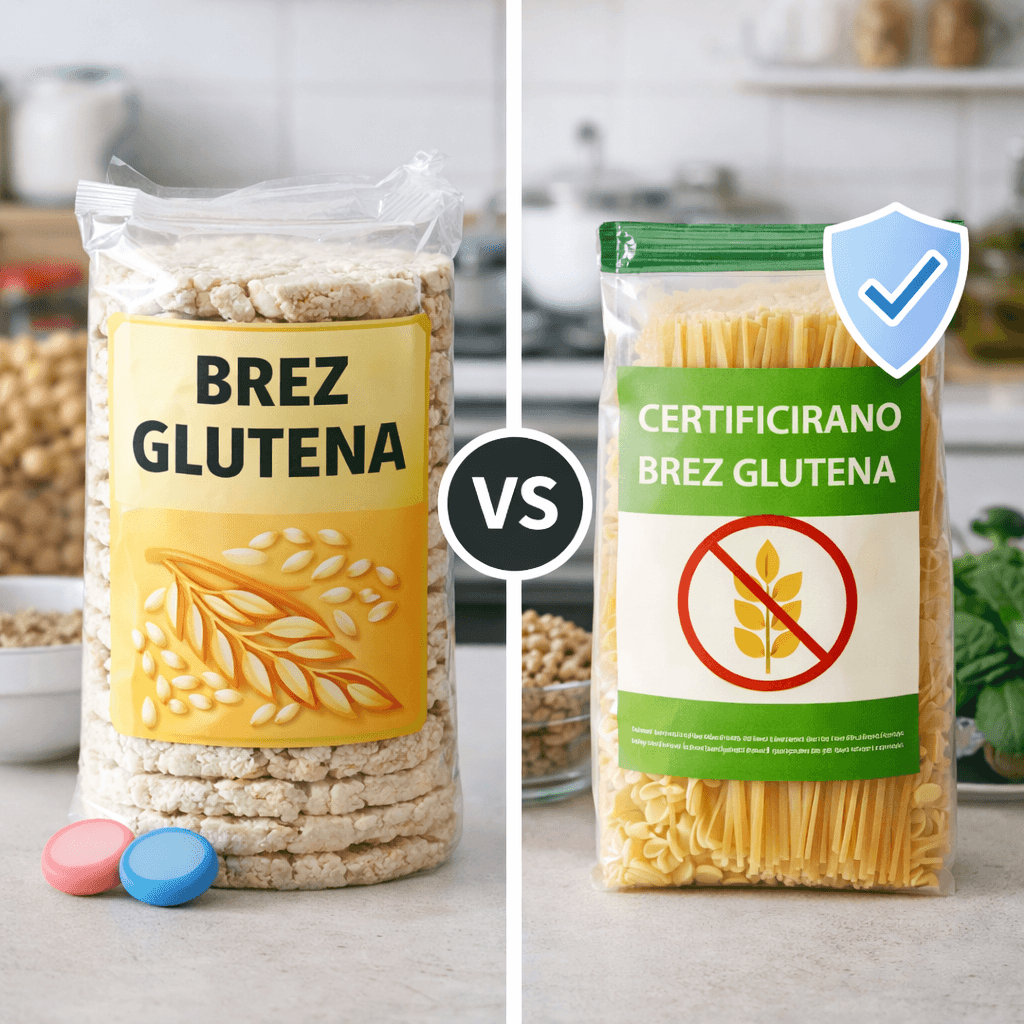
When visiting shops in Colorado, we quickly noticed something interesting: many products display a highly visible ‘Gluten-Free’ label on the front of the packaging. It certainly makes shopping easier. Even so, we do not rely on large labels alone.
Our habit remains the same as it is at home in Slovenia: we always read the full label. It is the most reliable source of information, whether you are shopping in Ljubljana, Denver, or the heart of the Rocky Mountains.
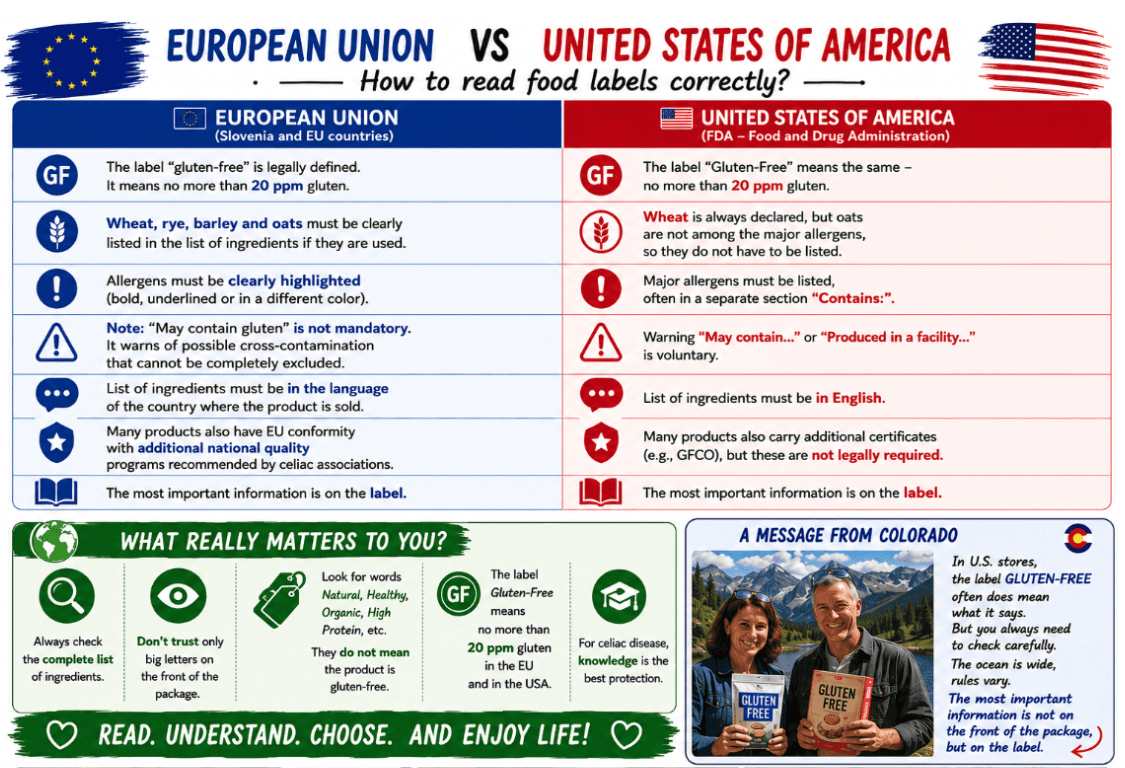
Technical note
The text is based on:
Regulation (EU) No 1169/2011 on the provision of food information to consumers.
Commission Implementing Regulation (EU) No 828/2014 on the requirements for the provision of information to consumers on the absence or reduced presence of gluten in food.
Rules of the US Food and Drug Administration (FDA) on the use of the "Gluten-Free" label (21 CFR § 101.91).
🇺🇸 What else surprised us in America
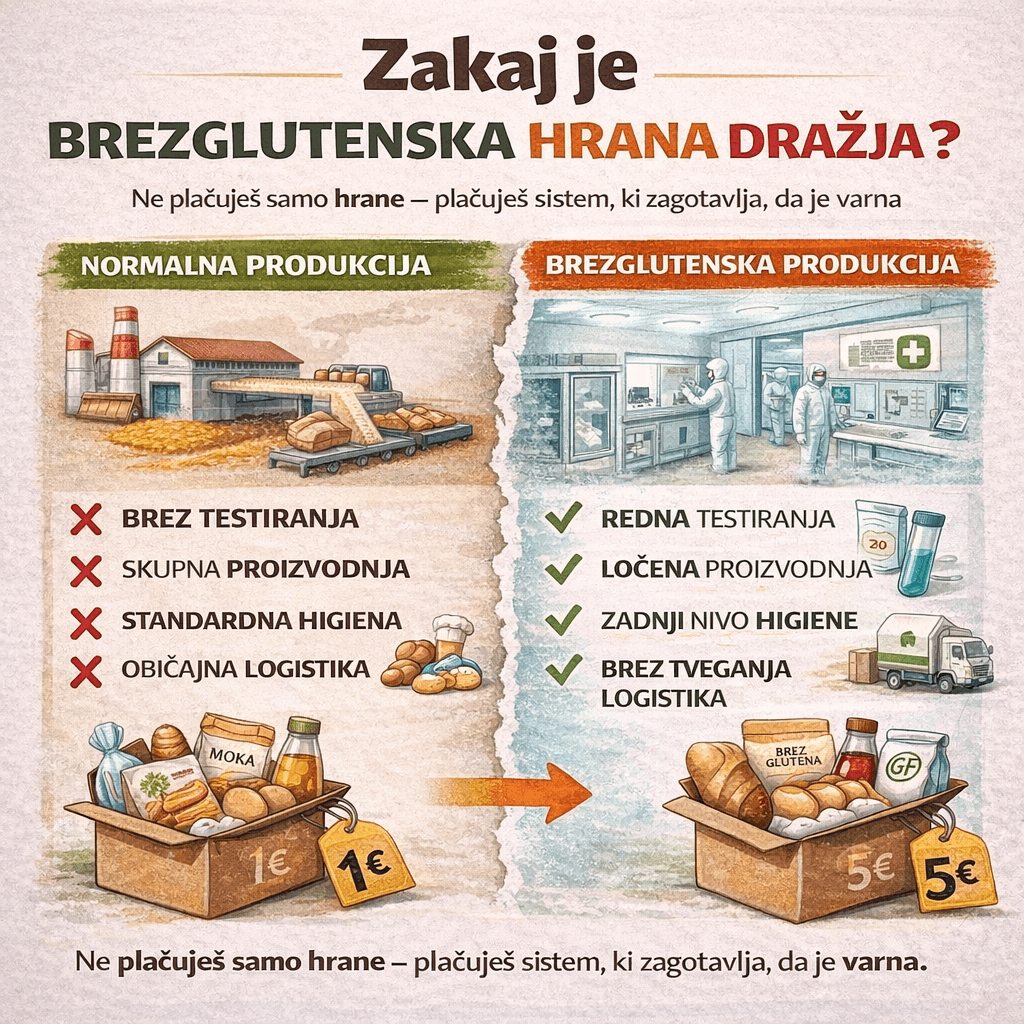
Gluten-free foods are more expensive. In the United States, too, gluten-free bread, pasta, flour, biscuits, and other specialist products are generally more expensive than comparable conventional products. The difference is often considerable - much as it is in Slovenia and elsewhere in Europe. American coeliac organisations and numerous studies have long pointed out that a medically necessary gluten-free diet places a significantly greater financial burden on individuals and families.
The price on the shelf is not necessarily the final price. In most American shops, prices are displayed before sales tax. The final amount is calculated at the checkout, when the applicable state and local tax is added, where it applies. In Europe, including Slovenia, shelf prices already include VAT.
Food is an important exception. In Colorado, most staple groceries intended for home cooking are exempt from state sales tax, whereas prepared food, restaurant meals, and certain other categories are generally taxed. Individual towns and municipalities may also apply their own local rules, so the total on the receipt can vary according to where you shop.
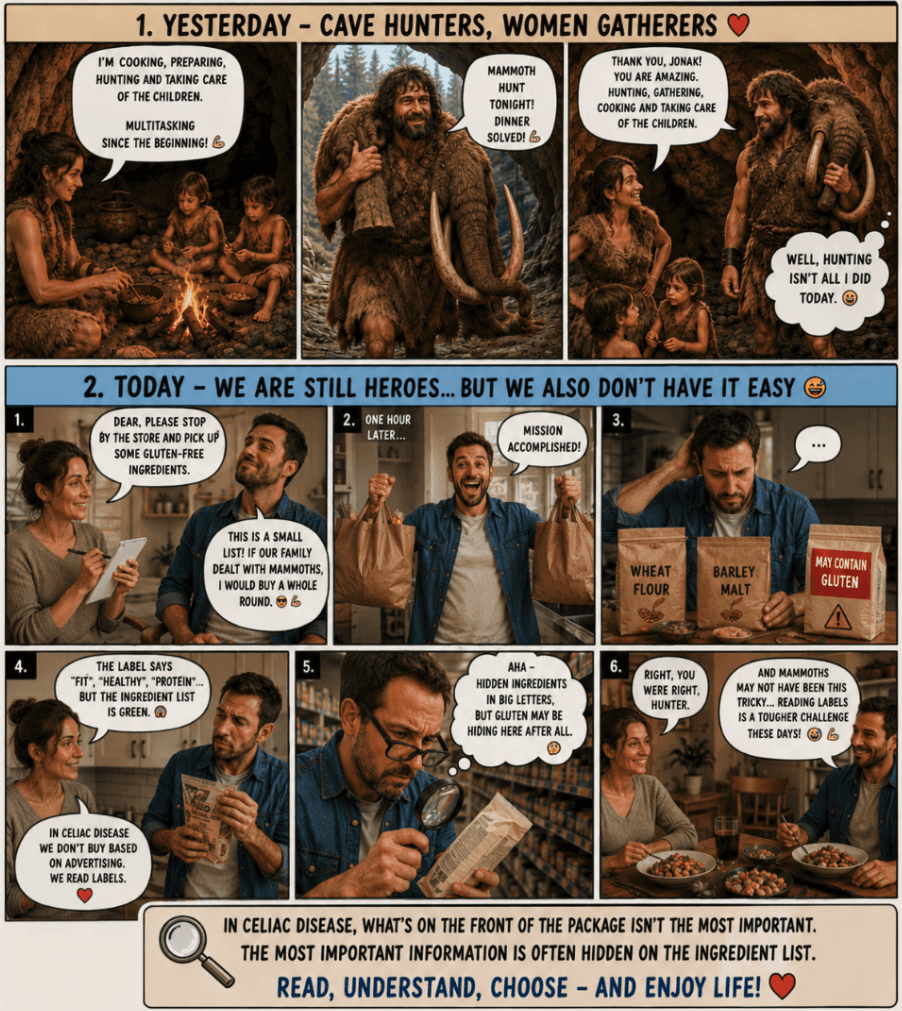
Do not shop with your eyes. Shop with knowledge. |
A large "Gluten-Free" label, attractive packaging or advertising slogans are still no guarantee that we have chosen the product correctly. The most important information is still hidden in the ingredients list.
🏡 First Day in an American Home: Kitchen First, Excursions Later
After a long flight and a food shop, we finally arrived at our rented apartment in Colorado. Before setting out to admire the Rocky Mountains, we did a few simple things. Not because we were anxious, but because they take only a few minutes and allow us to enjoy a worry-free holiday.
Our Golden Checklist
Inspect the kitchen.
2. Clean work surfaces.
3. Pay special attention to the toaster.
4. Check the pasta colander.
5. Check the sponge and tea towel.
6. Store food separately.
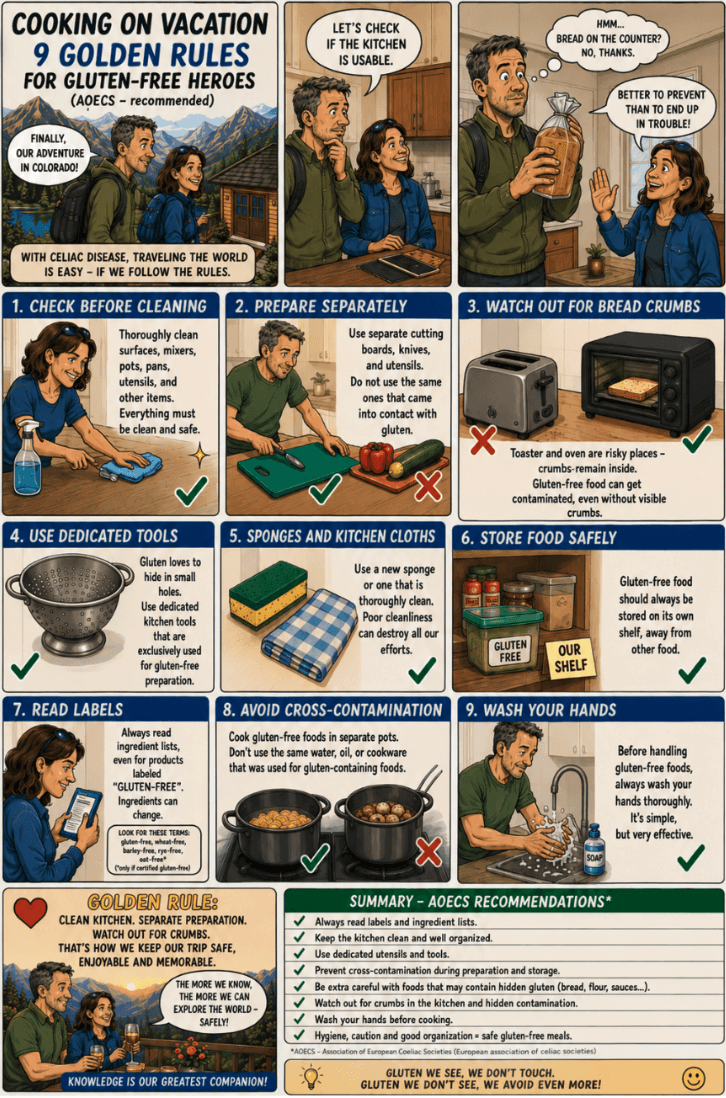
🚫 What Is Not Necessary?
Many people imagine that the kitchen must be almost sterile. That is not true. Gluten is neither a bacterium nor a virus: it is not airborne, and disinfectants do not destroy it. What matters is removing food residues that contain gluten and preventing cross-contamination while meals are being prepared.
Once the kitchen is clean and organised, we can start cooking with confidence.
And then ... Once the kitchen was ready, we made our first dinner, sat on the terrace, and watched the sun set over the Rocky Mountains. We both smiled. Coeliac disease had not prevented us from travelling nearly 9,000 kilometres from home. All we needed was a few minutes of preparation and a little organisation.
🍽️ The kitchen is closed. Let's go out for dinner!
After a few days of cooking in the apartment, we said: ‘Today, someone else is cooking!’
For many people with coeliac disease, finding a restaurant in an unfamiliar town is one of their greatest fears. We knew that feeling too. In America, however, we had a pleasant surprise: tourist information centres in some towns were able to recommend restaurants experienced in gluten-free dining.
When we arrived at the restaurant, the conversation did not end with the question, ‘Do you have gluten-free food?’ That was where it began. The server comfortably consulted the chef; together they checked the ingredients, changed gloves when necessary, and used separate equipment. For ice cream, they served from an untouched tub with a fresh scoop.
But the best part was something else: no one made us feel like troublesome guests. Quite the opposite. We felt that it truly mattered to them that every guest should leave satisfied and, above all, safe.
💬 A Good Experience Begins with a Conversation
Of course, not all restaurants in America are the same. As in Slovenia, standards vary greatly. Yet we noticed something in common almost everywhere: if you calmly explain to staff that you have coeliac disease, they listen. If they do not know something, they ask. If they are unsure, they check.
It does not matter that someone knows everything. What matters is that they understand why it matters.
In Slovenia, too, we meet many excellent hospitality professionals who take gluten-free dining seriously and prepare it with exemplary care. At other times, however, we hear: ‘We have something for diabetics as well.’ Such a response is not necessarily ill-intentioned, but it shows that the speaker does not understand the difference between coeliac disease, food allergies, and diabetes.
Every experience, every lesson, and every conversation is therefore a step forward.
👨🍳 A gluten-free meal is not a recipe. It is a process.
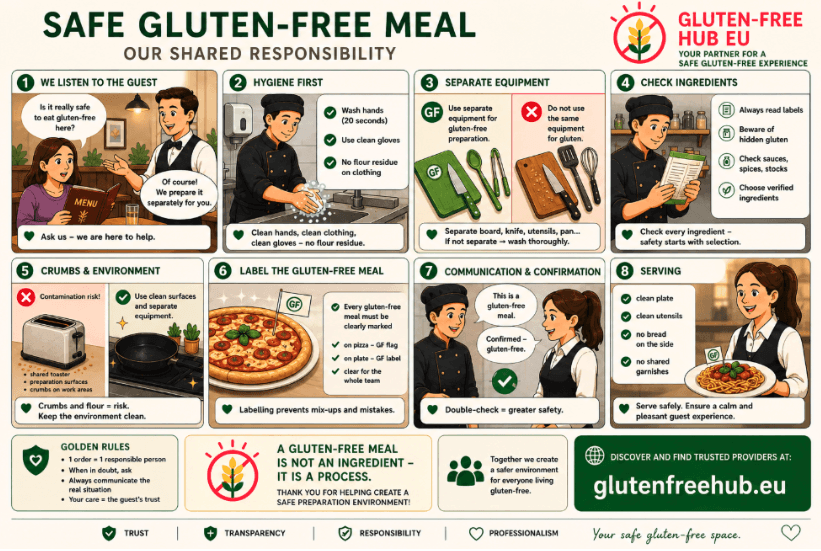
A safe gluten-free meal does not depend on ingredients alone. It begins with listening to the guest, continues with hygiene, correct preparation, prevention of cross-contamination, and good communication among staff. In the end, the guest receives more than a plate of food: they receive a sense of trust. And that is often the best seasoning of all.
Part two coming soon..
Blog posts