BLOG
Labelling of allergens in the EU
The basis for understanding is Regulation (EU) No 1169/2011 on the provision of food information to consumers.
It stipulates that all allergens must be clearly and specifically marked. Allergens also include grains containing gluten, such as wheat, rye, barley, oats, spelt, and kamut.
This means:
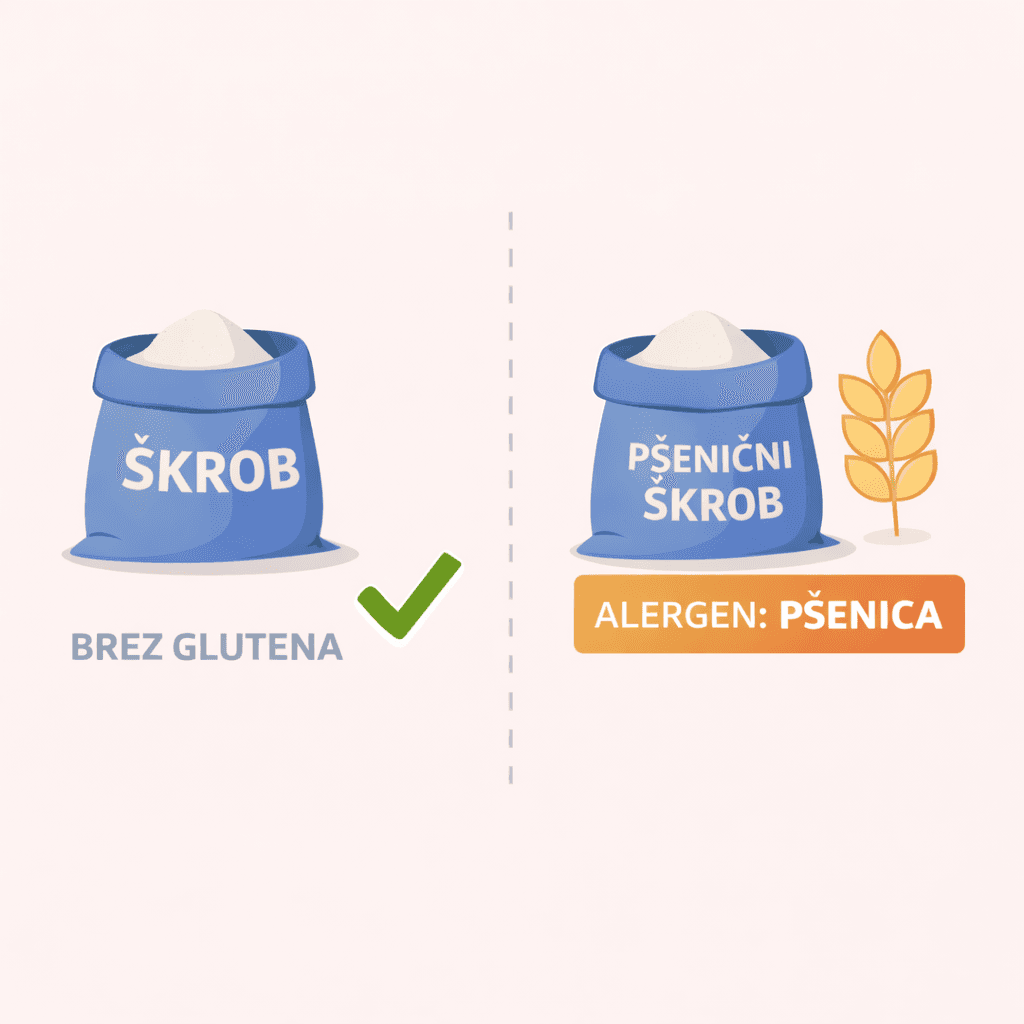
If starch is derived from wheat or another gluten-containing grain, it must be clearly stated, for example wheat starch.
It is not allowed to “hide” it under the general term starch.
Rules for the label “gluten-free”
The use of labels is governed by Regulation (EU) No 828/2014, which sets conditions for claims relating to the absence or reduced presence of gluten.
Two threshold values are specified:
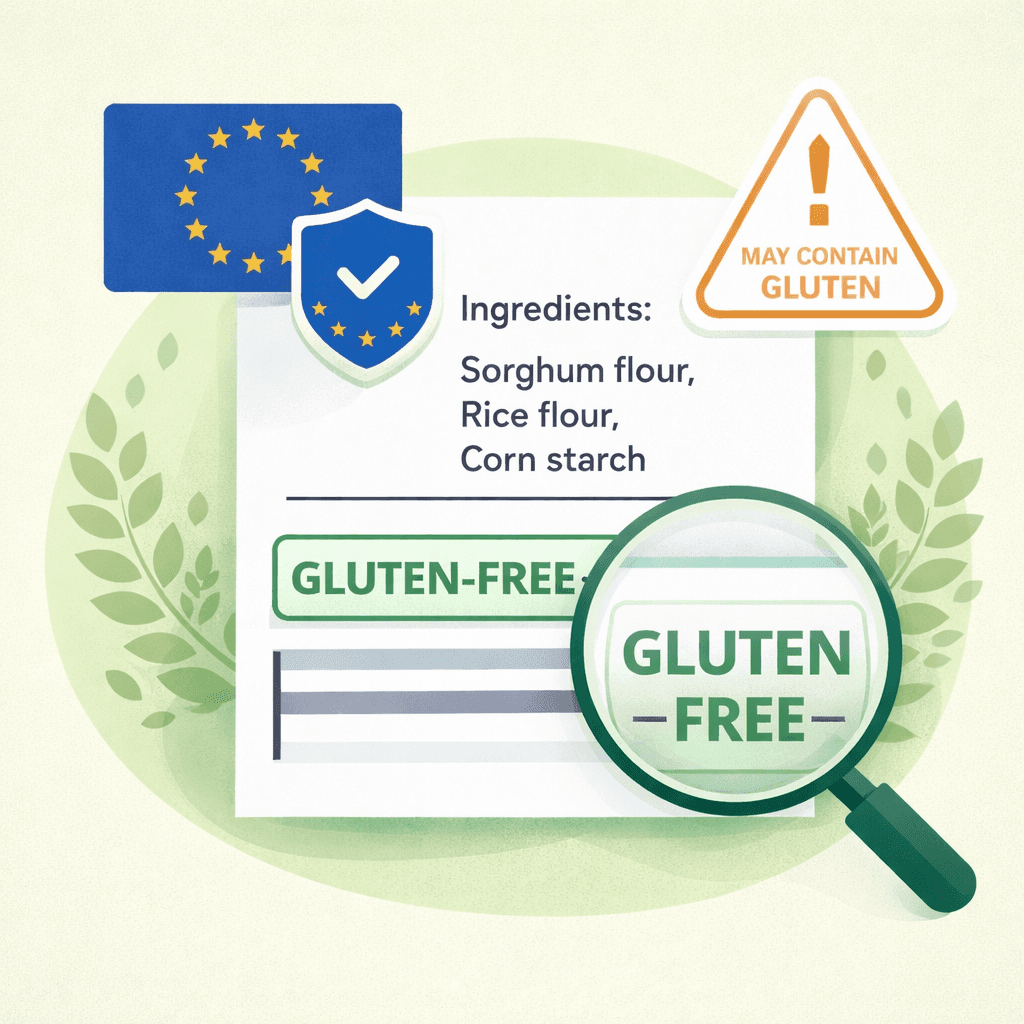
“Gluten-free” means no more than 20 mg of gluten per kilogram of product.
“Very low gluten content” means no more than 100 mg/kg (usually in products made from deglutenised wheat starch).
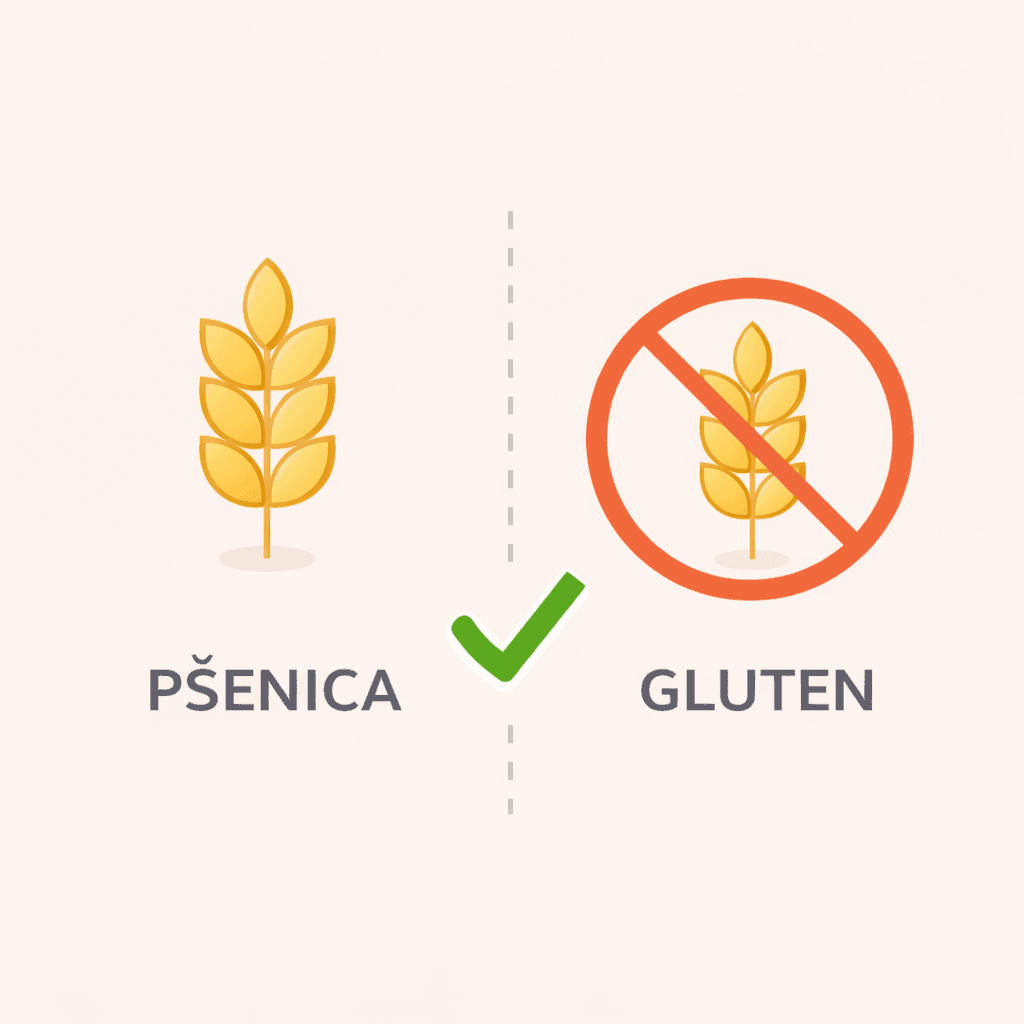
This means that deglutenised wheat starch can also be legally used in products labelled “gluten-free”, if it complies with the threshold values.
What does this mean in practice?
If the label says:
starch
modified starch
corn starch
potato starch
and does not list wheat or another gluten-containing grain, then the ingredient is gluten-free.
Why?
Because a gluten-containing grain should be mandatorily marked as an allergen.
What if it says “wheat starch”?
In this case, the word wheat must be clearly emphasised.
Such a product is not gluten-free unless it also carries the “gluten-free” label. In this case, it is deglutenised wheat starch that meets legal limits.
What does “modified starch” mean?
The term “modified” means technologically processed – for stability, texture, or density.
It does not mean it contains gluten.
The same rule applies here:
If it is from wheat, it must be clearly stated.
If wheat is not listed, then the starch is not from a gluten-containing grain.
Why is there no need to panic?
European legislation on allergen labelling is among the strictest in the world.
Incorrect labelling means:
product recalls,
heavy fines,
loss of trust and market.
Manufacturers for the EU market therefore do not risk hiding allergens.
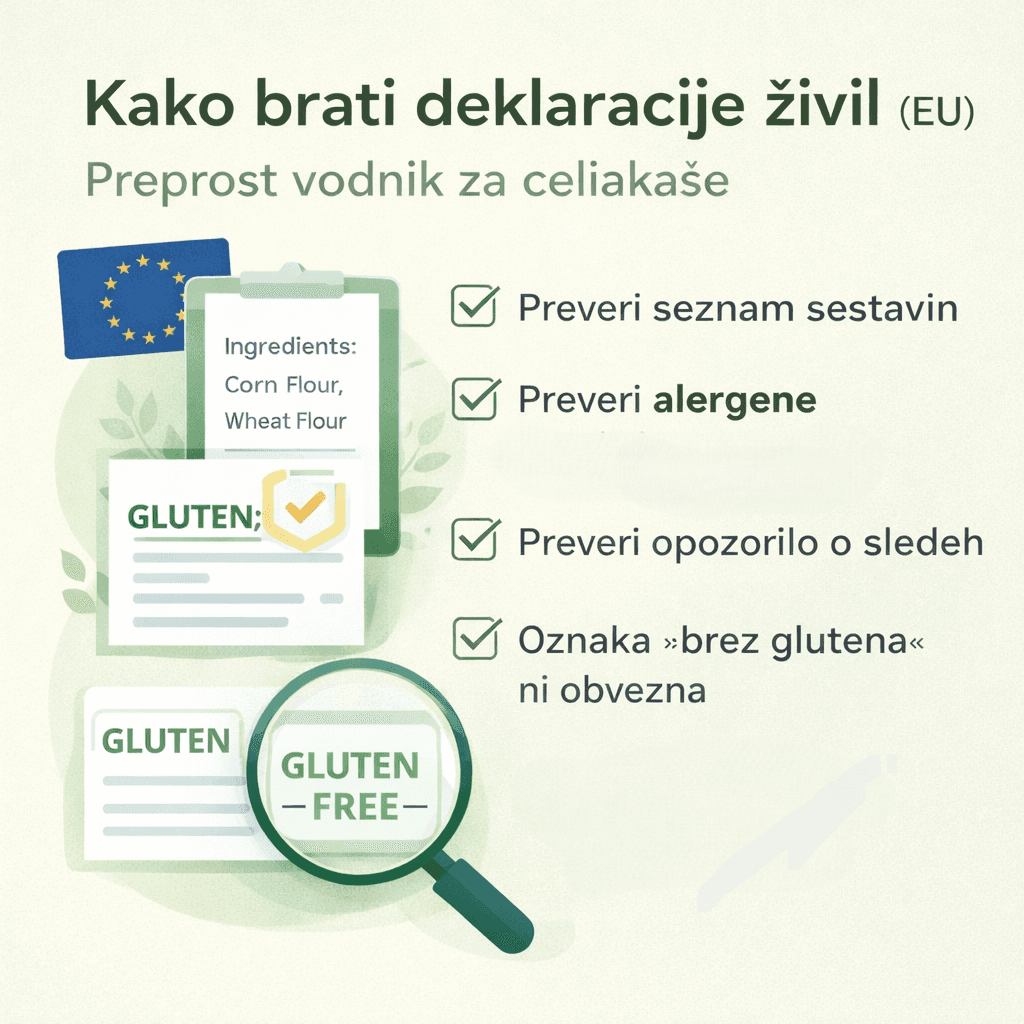
Of course, diligence in reading labels is always necessary – but there is no need to fear that every starch is potentially dangerous.
Summary
If there is no marked wheat or other gluten-containing grain, starch is safe.
Modified starch is not problematic in itself.
De-glutenised wheat starch is allowed in products labelled as ‘gluten-free’. Read more about this here: https://www.glutenfreehub.eu/en/blogi/p%C5%A1enica-na-brezglutenski-dieti-znanost-pojasnjuje
EU legislation does not allow gluten, or any of the 14 main allergens, to be hidden.
Knowing how to read labels means less fear and more confidence when choosing food.
Blog posts