Article
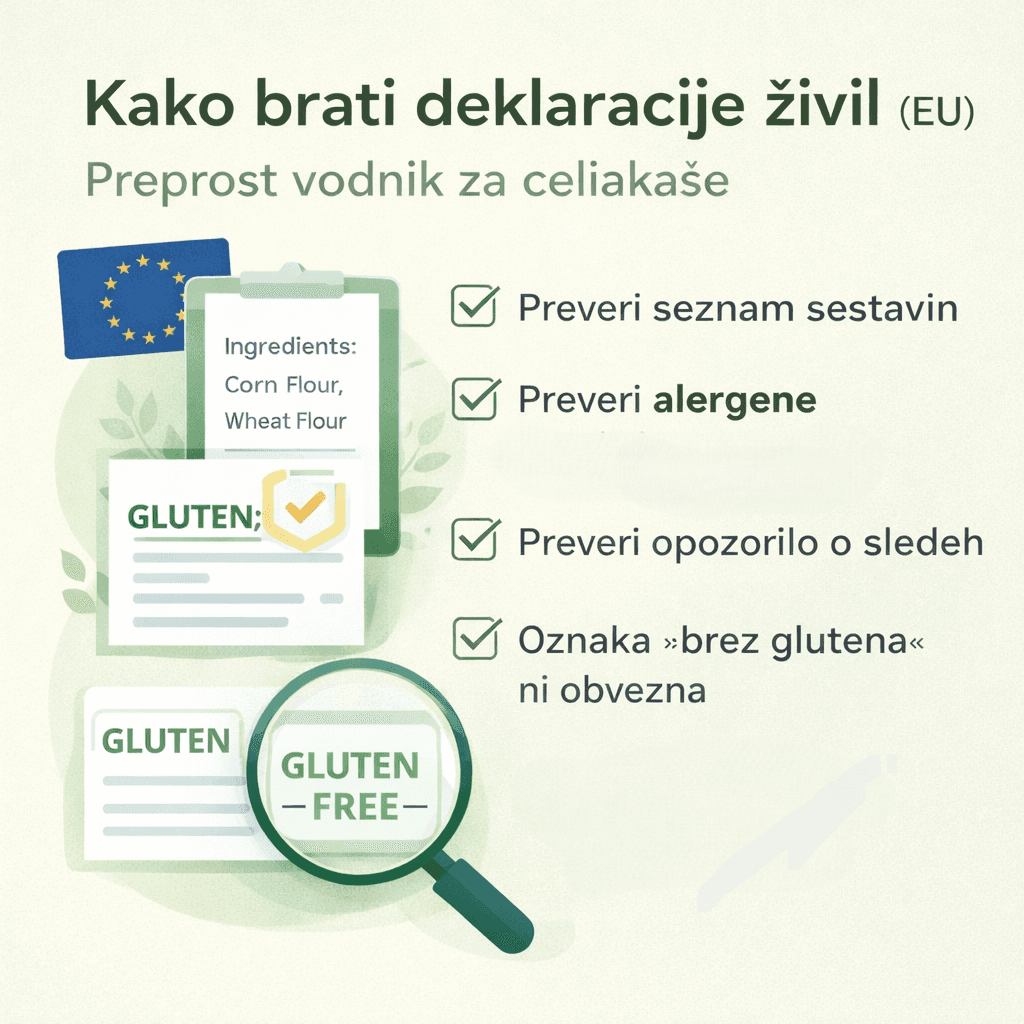
Step 1: Check the list of ingredients
Always start with a list of ingredients.
The product is not suitable if it contains any of the following ingredients:
wheat
barley
rye
spelt
kamut
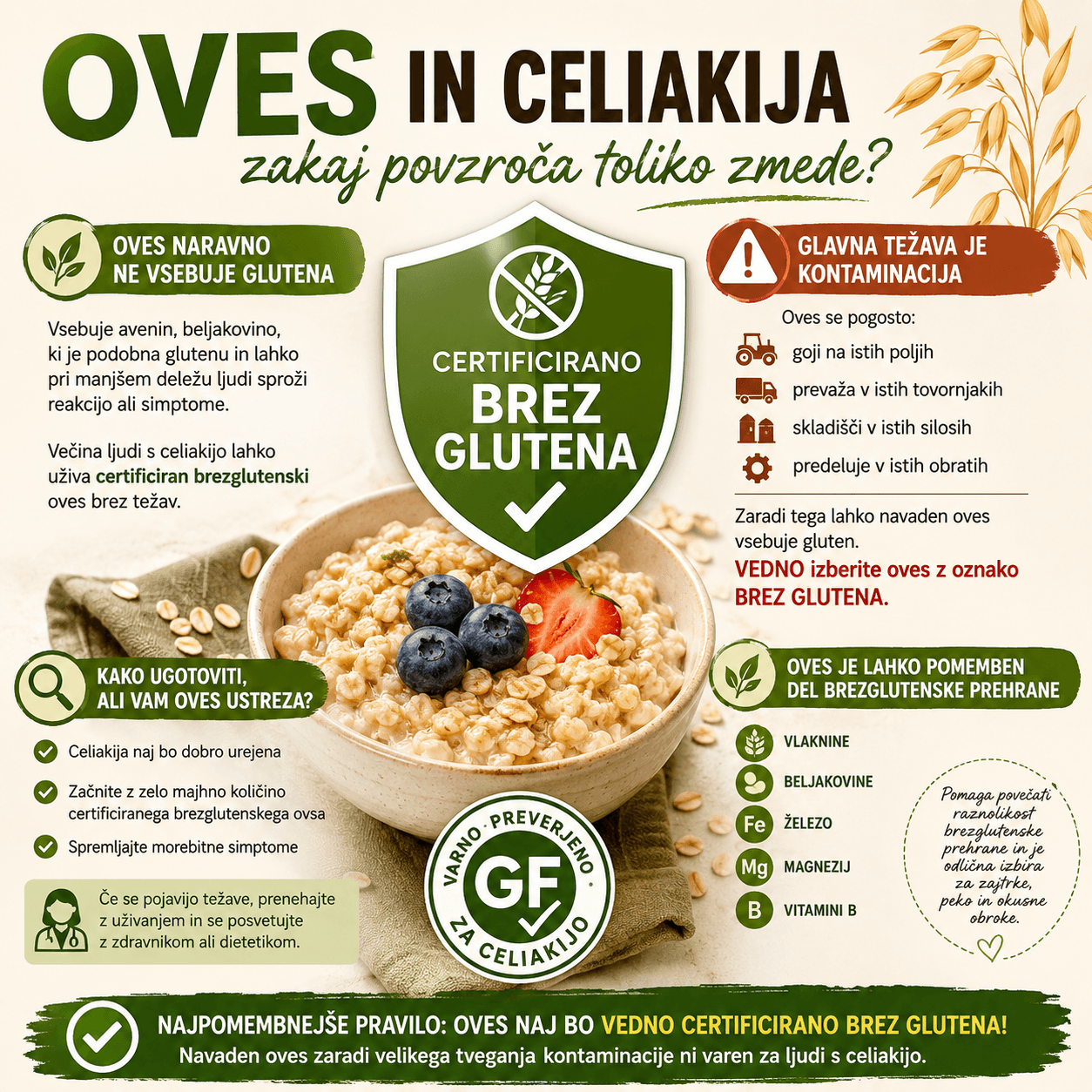
oats (except specially marked gluten-free oats)
Also be attentive to ingredients such as:
barley malt
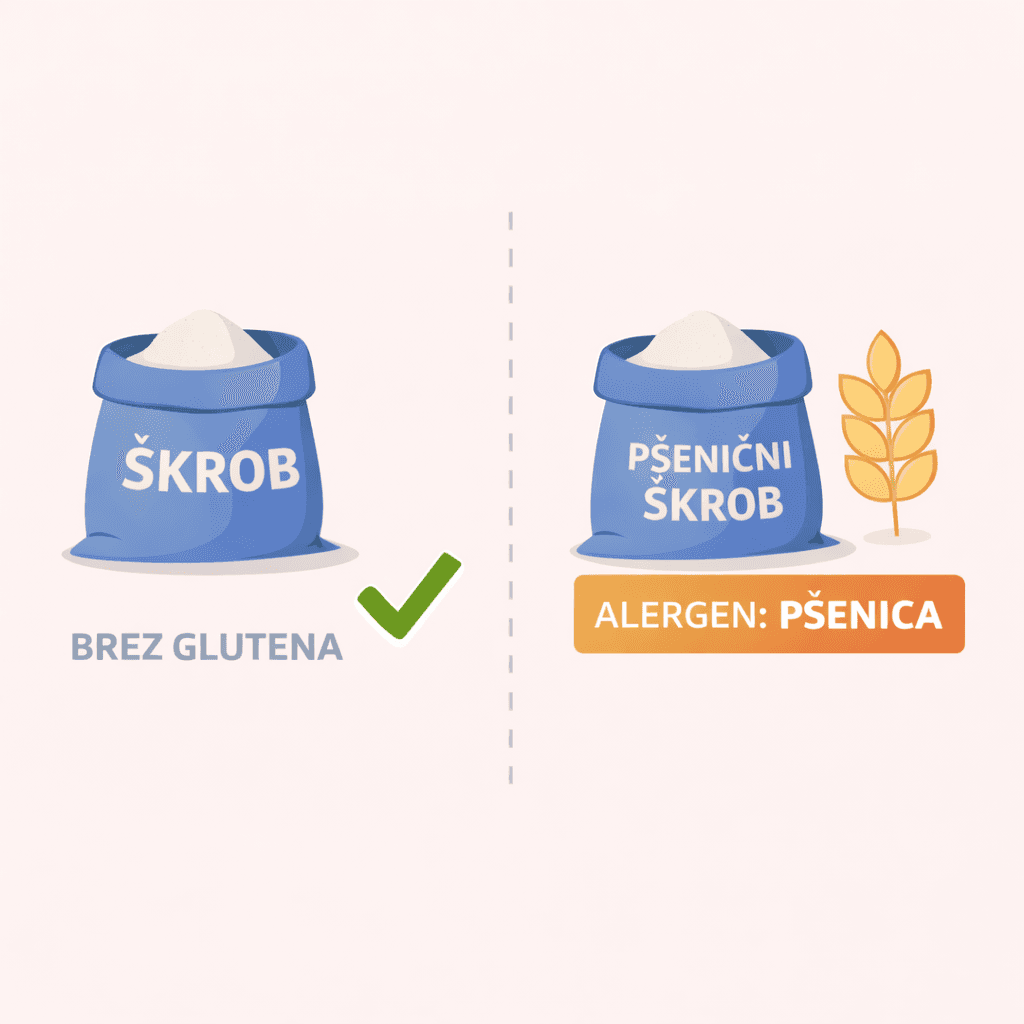
wheat starch
other ingredient that clearly contain gluten
If the product does not contain any of the above ingredients, proceed to the next step.
Step 2: Check allergens
In the European Union, all allergens must be clearly indicated, usually in bold or otherwise highlighted text.
Important:
gluten must always be listed if present
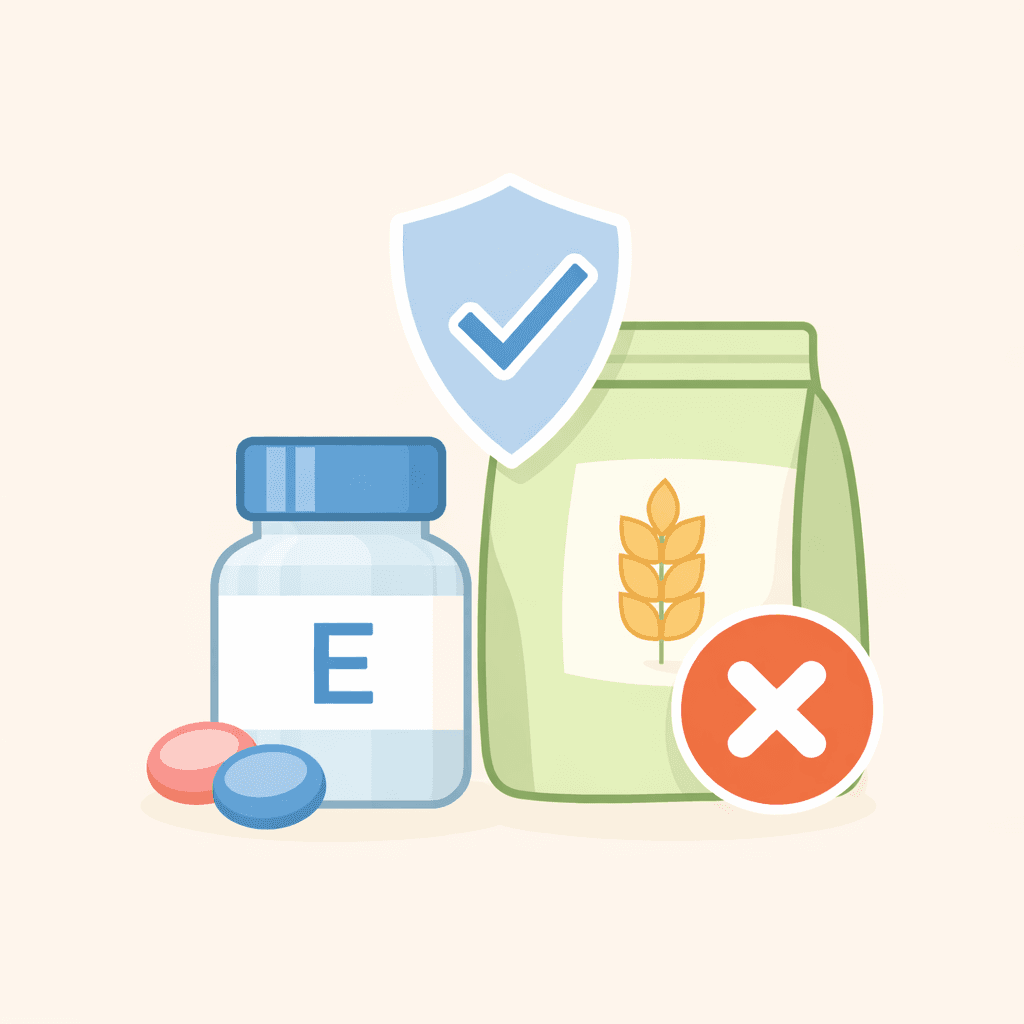
it cannot be hidden behind E-numbers or generic terms
If gluten is listed among the allergens, the product is not suitable.
If gluten is not mentioned, proceed.
Step 3: Check trace warning
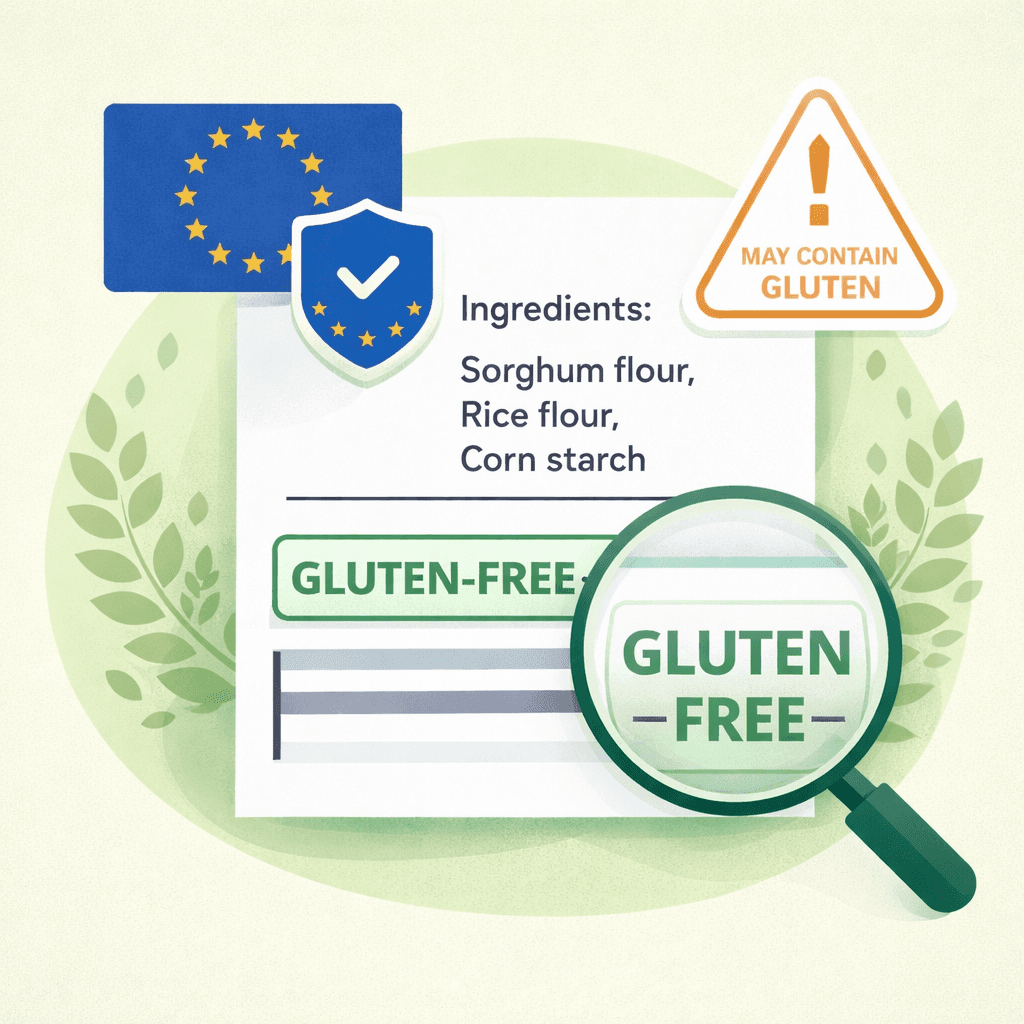
Some products contain a warning about possible cross-contamination, such as:
may contain traces of gluten
may contain gluten
Such a warning means that the risk could not be excluded.
If the warning exists, the product is not recommended for people with coeliac disease.
If there is no warning, proceed.
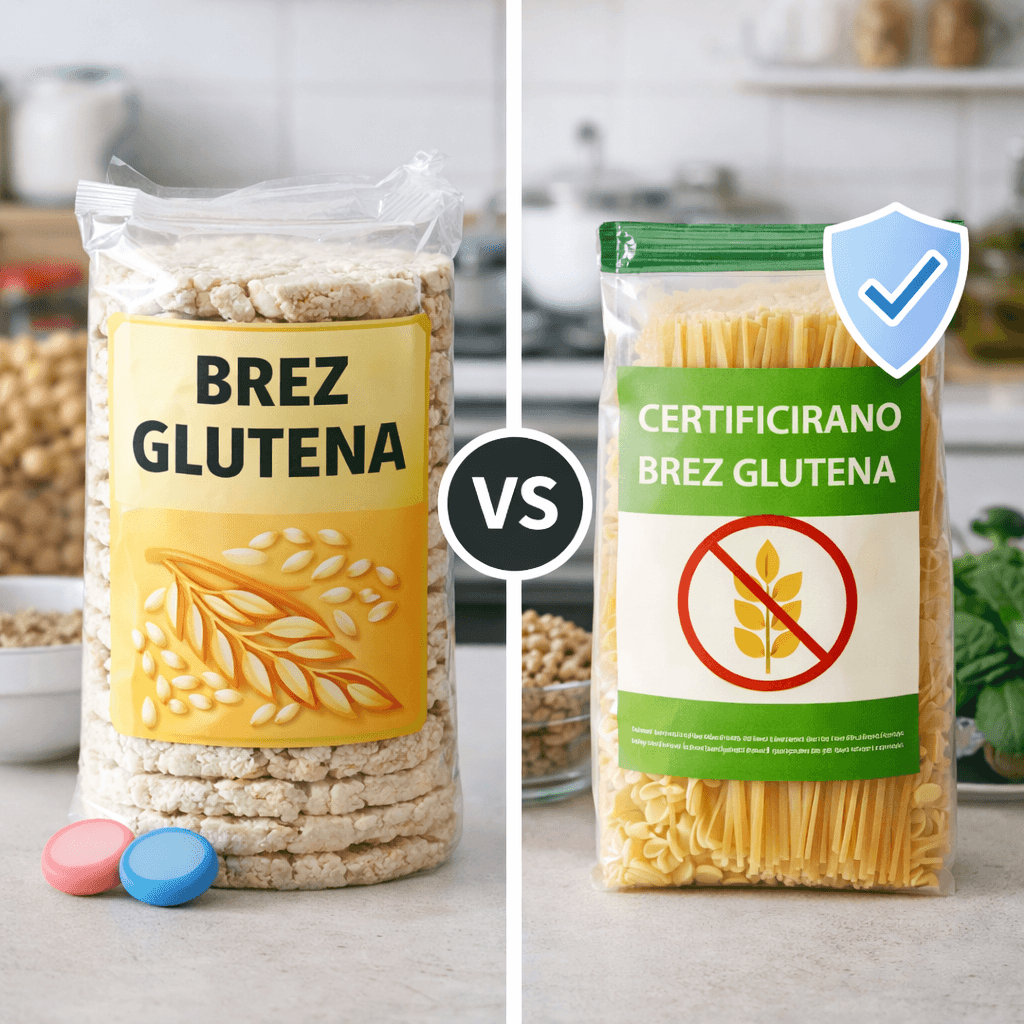
Step 4: The ‘gluten-free’ label is not mandatory
It is important to understand that the ‘gluten-free’ label:
is not mandatory for naturally gluten-free foods
its absence does not mean the product is unsafe
If the product:
does not contain gluten-containing ingredients
does not have gluten listed among allergens
does not have a trace warning for gluten
it is considered suitable for coeliacs under EU law, even without the ‘gluten-free’ label.
What is worth remembering
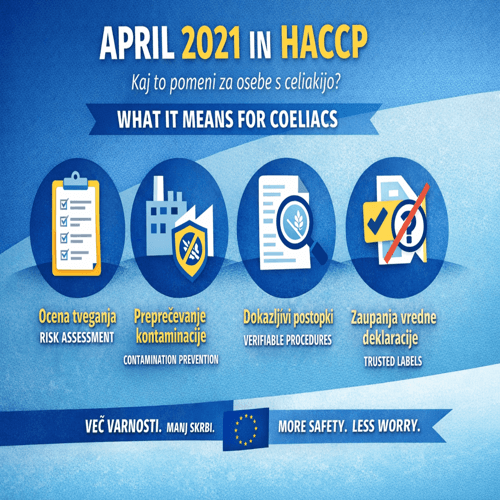
Food labels are legally binding documents.
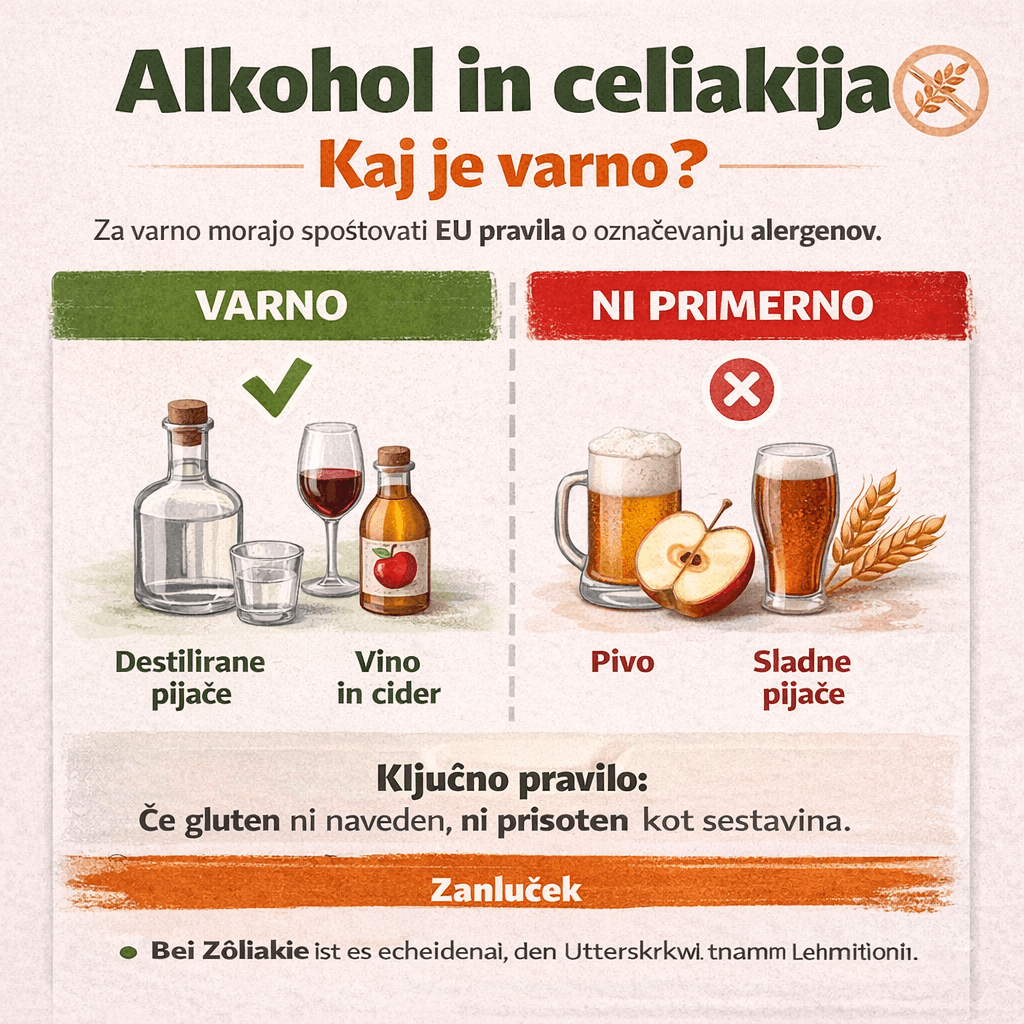
In the European Union, there is a clear rule: if it is not stated, it must not be present.
The fear of 'hidden gluten' in E-numbers, fruit purees or basic foods is unfounded if the label does not support this.
Knowledge of the rules provides more safety, more choice and less unnecessary fear during everyday shopping.
Blog posts