BLOG

Why is this important for coeliacs?
At Gluten-Free Hub EU, we closely follow developments in food labelling legislation – as every change has a direct impact on the daily lives of people with coeliac disease.
As we already reported in our previous article on the planned EU changes to PAL labelling rules, the European Commission has already announced the harmonisation of rules. Now, a key international milestone has been reached, which will serve as the basis for this legislation.
Although we won't see changes on product packaging overnight, this is a very important step forward.
A big win: gluten is now part of the guidelines
When the development of the guidelines began, gluten and coeliac disease were not even properly included in the proposals.
Thanks to the intensive work of the AOECS, national coeliac societies and allergy experts, gluten was ultimately included in the final text.
This means that coeliac disease is now officially recognised under the PAL system, which is used to manage cross-contamination risks – for the first time at an international level.
What do the new guidelines bring?
Several important principles have been adopted:
1. Fewer unnecessary "may contain" warnings
The greatest benefit for people with coeliac disease is the reduction in the over-use of PAL warnings. Manufacturers will no longer be allowed to use "may contain gluten" warnings solely as a preventative measure or for legal protection.
The warning will only be justified when a risk assessment shows a real possibility of cross-contamination above certain threshold values.
2. Reference value for gluten introduced
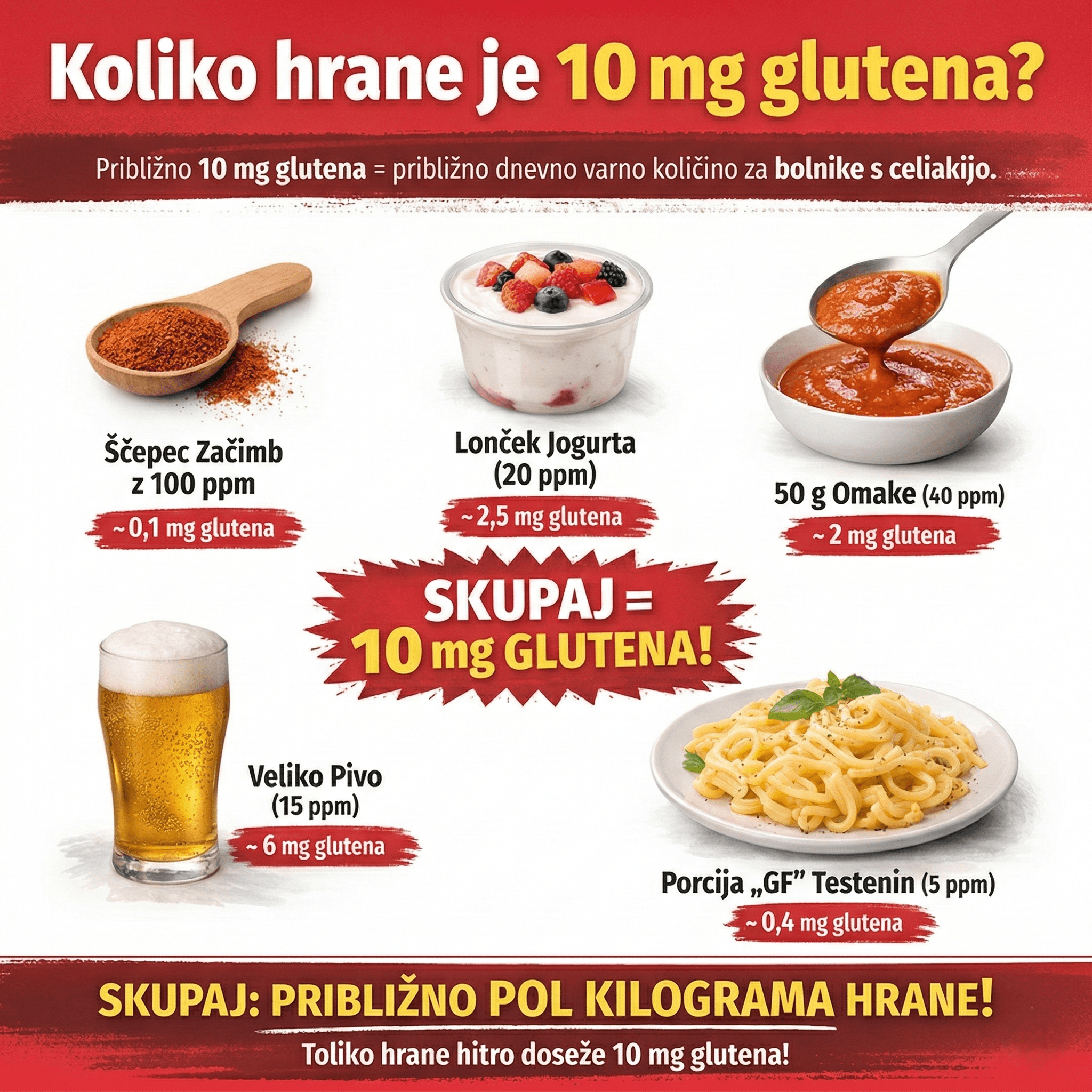
Codex has established a reference dose of 4 mg of gluten. It is important to understand that this is not the same as the 20 mg/kg limit for the "gluten-free" label.
These are two different systems:
the "gluten-free" label is based on the concentration of gluten in the product,
PAL is based on the total amount of gluten that a person would consume in a standard portion.
Therefore, these two figures cannot be directly compared.
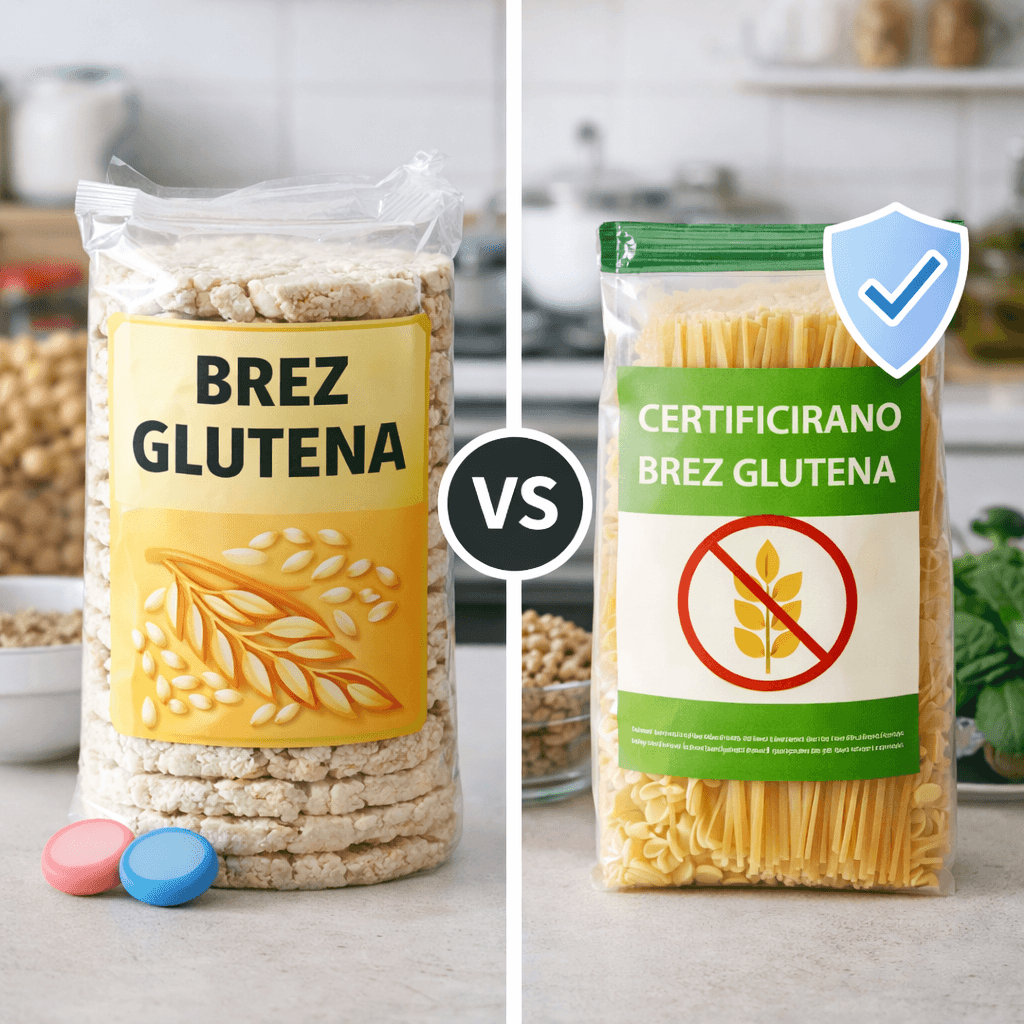
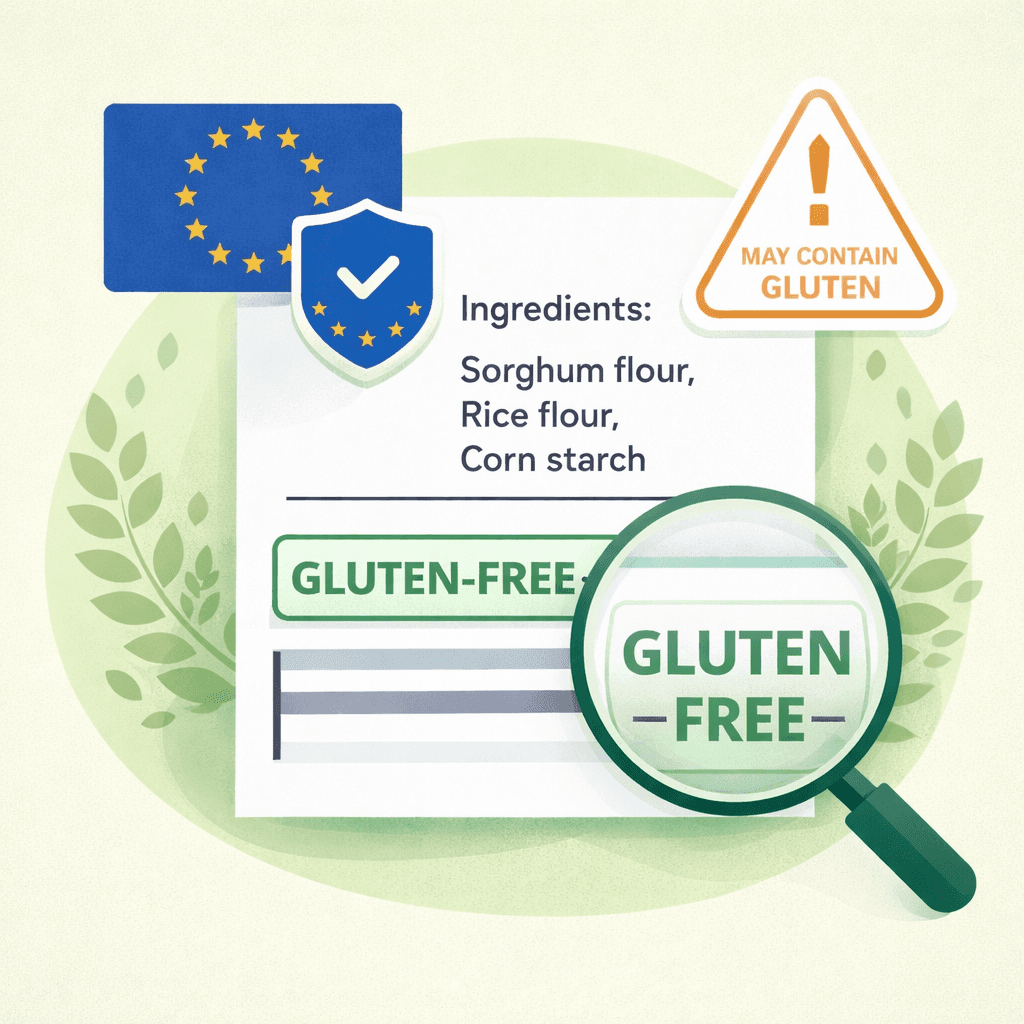
3. A product cannot be "gluten-free" and have a PAL warning for gluten at the same time
This was one of the key demands of the AOECS. The guidelines clearly state that a product with a "may contain gluten" warning must not carry a "gluten-free" label at the same time.
This prevents confusion among consumers and reassures confidence in the "gluten-free" label.
4. Gluten and PAL are now clearly distinct concepts
A PAL warning means: there is a potential risk of cross-contamination.
The "gluten-free" label means: the product is intentionally produced and assessed as complying with the requirements for gluten-free food.
These are two completely different pieces of information that must not be mixed.
What does this mean for the future in the EU?
The European Commission has already confirmed its intention to draft harmonised rules for PAL across the EU. At a recent AOECS webinar, Commission representatives stated that they are very pleased with the new Codex guidelines, as they are largely consistent with the European approach.
In the coming years, EFSA, the European Commission and member states will draft European legislation based on these guidelines.
If the EU follows the Codex recommendations, it could mean:
✅ fewer unnecessary "may contain gluten" warnings
✅ more harmonised rules across the EU
✅ a wider choice of products for people with coeliac disease
✅ greater confidence in food labelling
✅ a more scientifically based risk assessment of cross-contamination
Conclusion
Although it will take several years before we see actual changes on supermarket shelves, the adoption of these guidelines represents a truly significant milestone.
For the first time at a global level, the needs of people with coeliac disease have been clearly defined within the framework of precautionary allergen labelling. This paves the way for clearer, more consistent and more useful food labelling – in Europe and around the world.
Blog posts