BLOG

MYTH 1: Coeliacs can only eat products labelled ‘gluten-free’
FACT
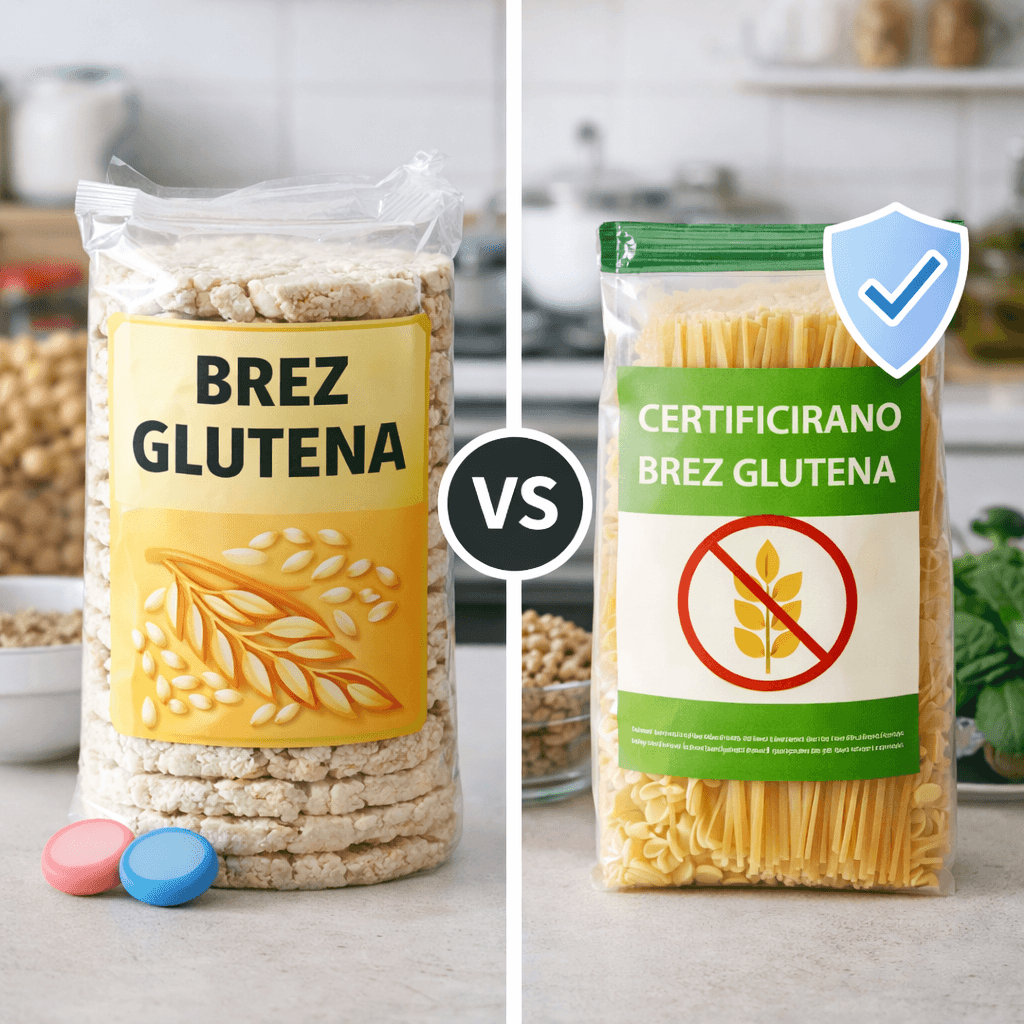
This is one of the biggest myths regarding coeliac disease. Many foods are naturally gluten-free and therefore do not require a ‘gluten-free’ label at all. Fresh meat, fish, eggs, fruit, vegetables, rice, potatoes, milk, butter, pulses, and many cheeses are naturally gluten-free.
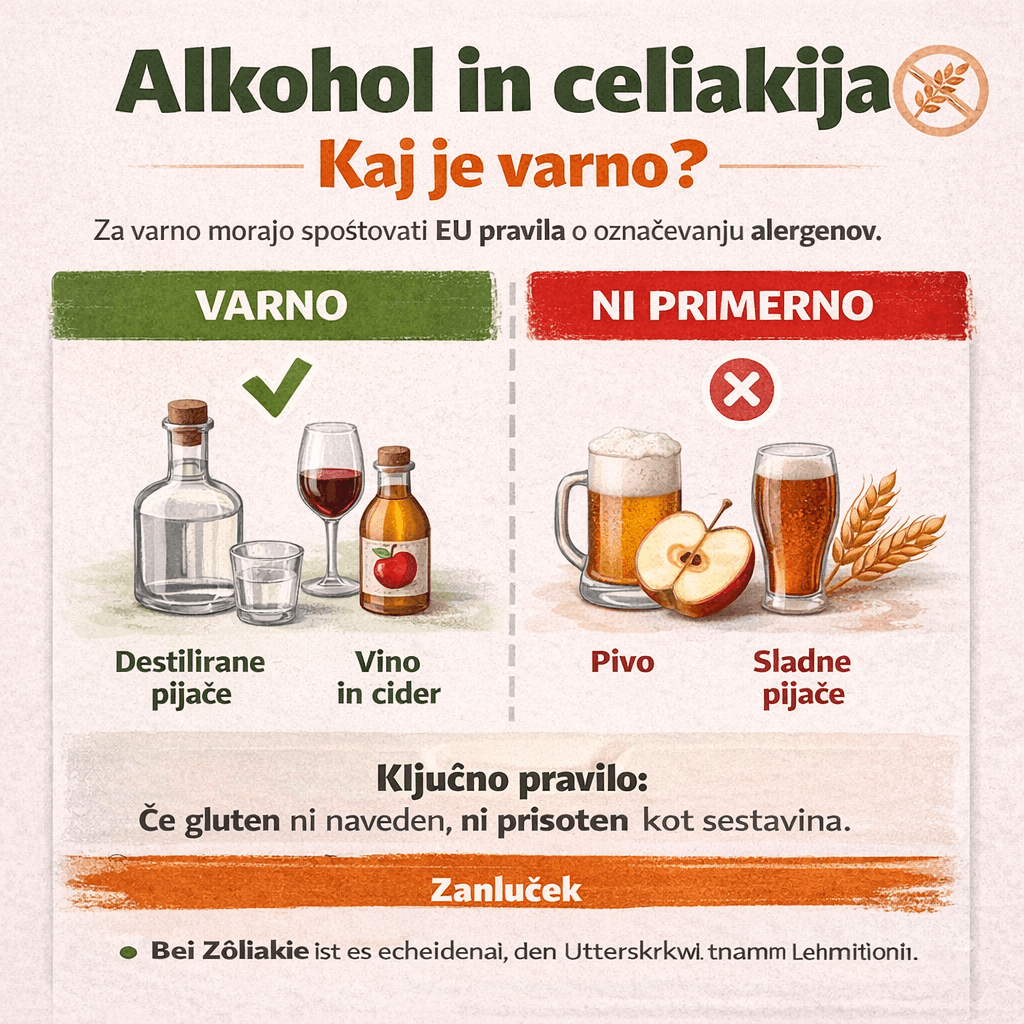
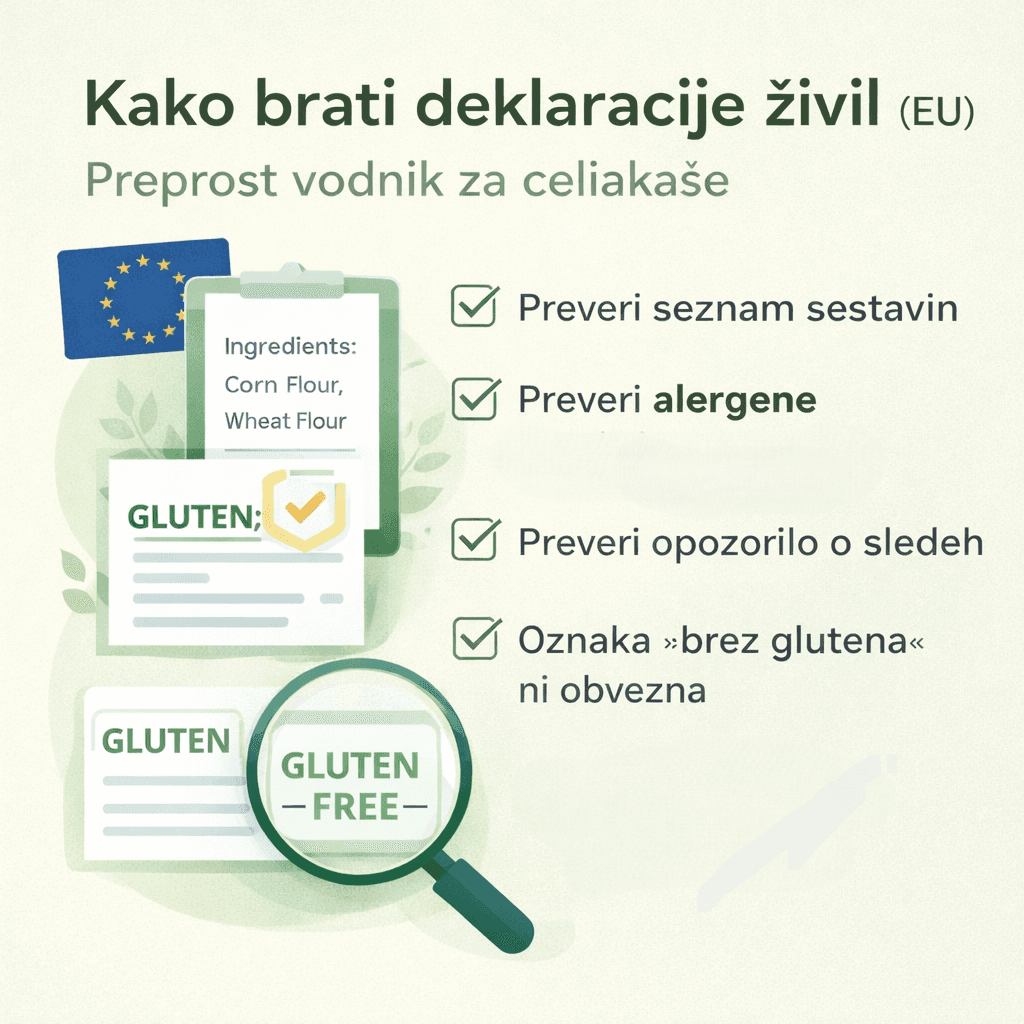
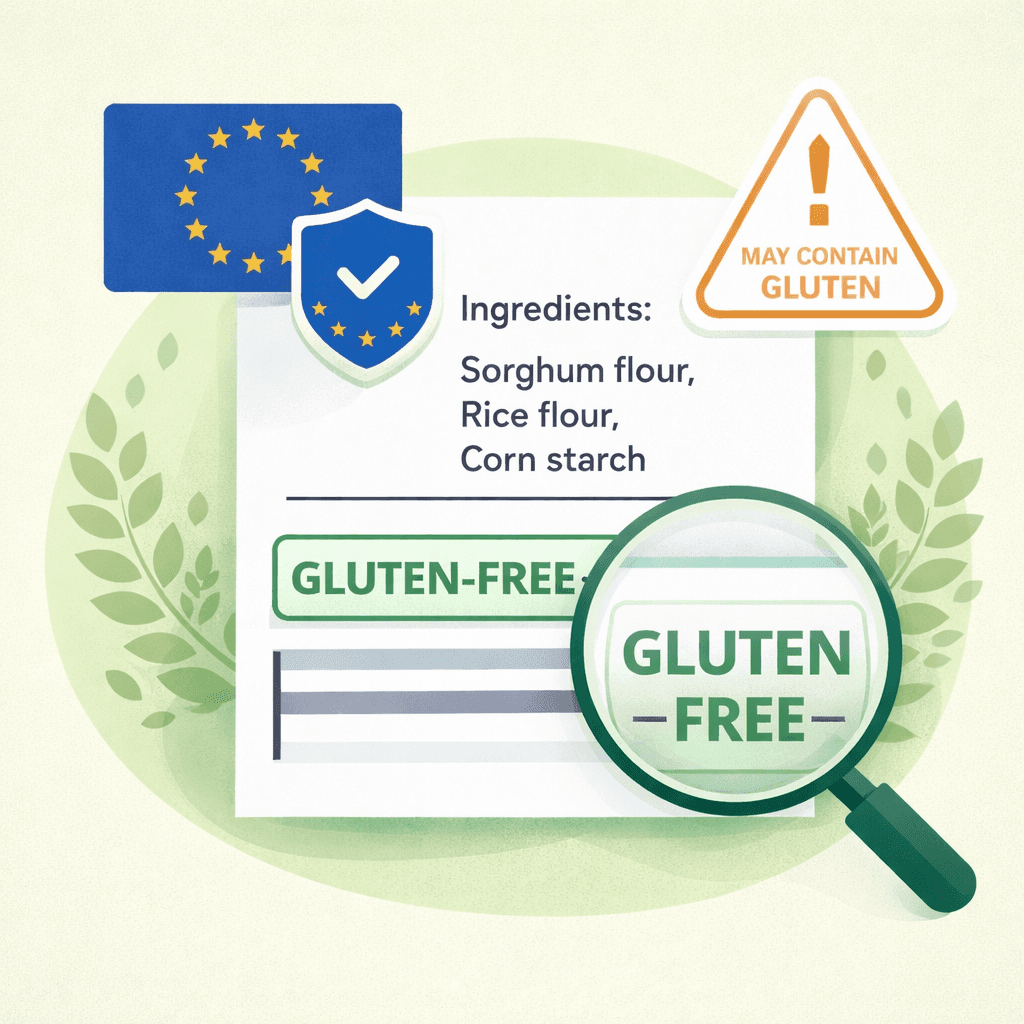
The key lies in understanding labels. Within the EU, all allergens must be clearly highlighted. If gluten is not listed on the packaging, the product does not contain it. The exception is ground products such as flour, breadcrumbs, and flakes, which must carry a ‘gluten-free’ label.
MYTH 2: Grated cheese contains flour
FACT
In accordance with EU regulations, starch – not flour – is used as an anti-caking agent. If the starch contained gluten, it would have to be clearly indicated as an allergen. Manufacturers almost always use maize or potato starch, which are safe for coeliacs.
MYTH 3: Blue cheeses are not safe
FACT
Although moulds are sometimes grown on media containing gluten, the final product does not contain harmful amounts of gluten. Analyses show that blue cheeses have a gluten content well below the legal limit for gluten-free foods.
MYTH 4: Coeliacs must never eat oats
FACT
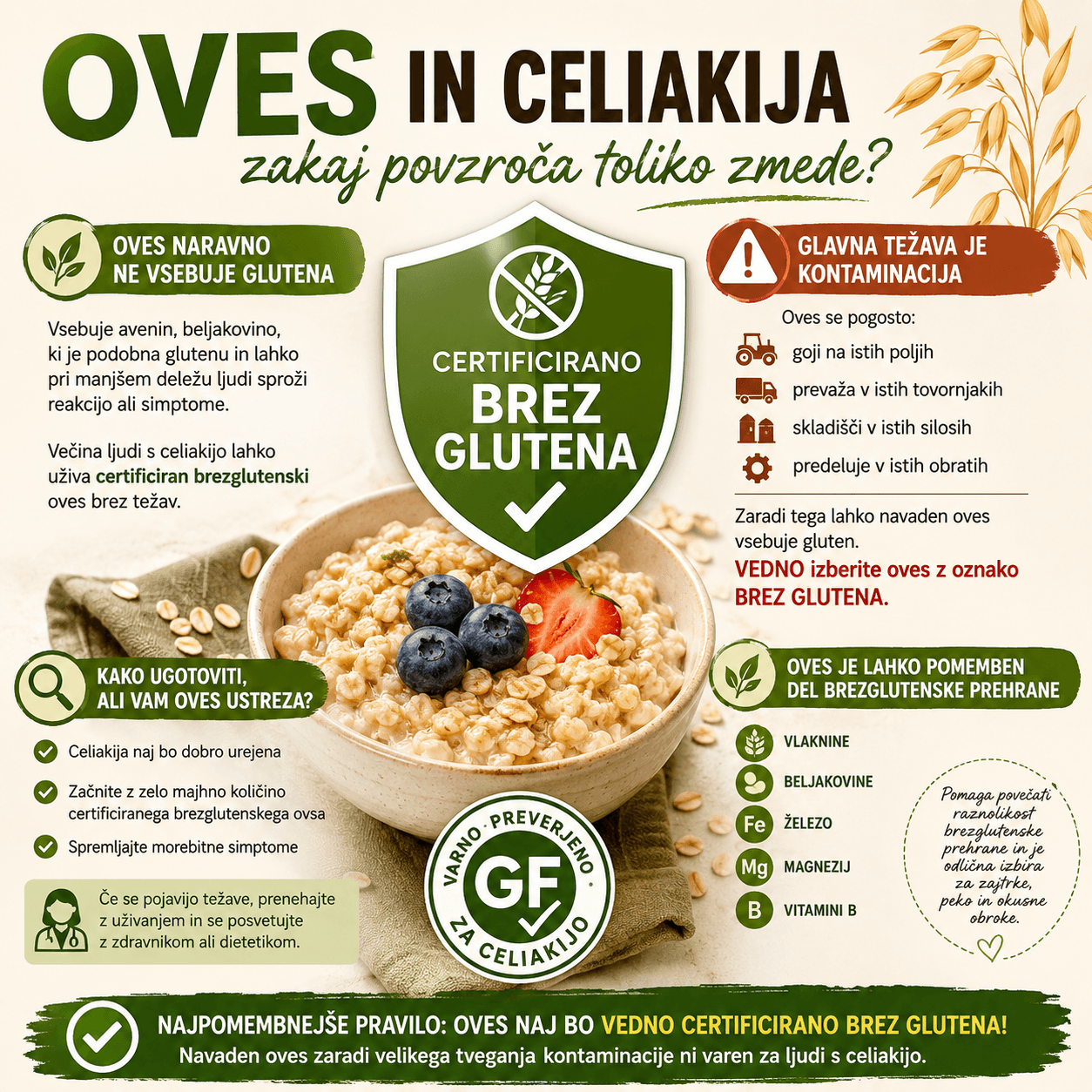
Most people with coeliac disease tolerate certified gluten-free oats well. The main issue with ordinary oats is cross-contamination with wheat, barley, or rye during cultivation and processing. Therefore, it is important to choose oats labelled ‘gluten-free’.
A small proportion of people may react to avenin, a protein found in oats.
MYTH 5: Envelopes and stamps contain dangerous gluten
FACT
Modern envelopes and stamps are generally safe. Most are self-adhesive nowadays, and the risk associated with traditional glues is extremely small. There is no evidence that licking stamps or envelopes causes intestinal damage in coeliac disease.
MYTH 6: Coeliacs must not eat anything containing wheat
FACT
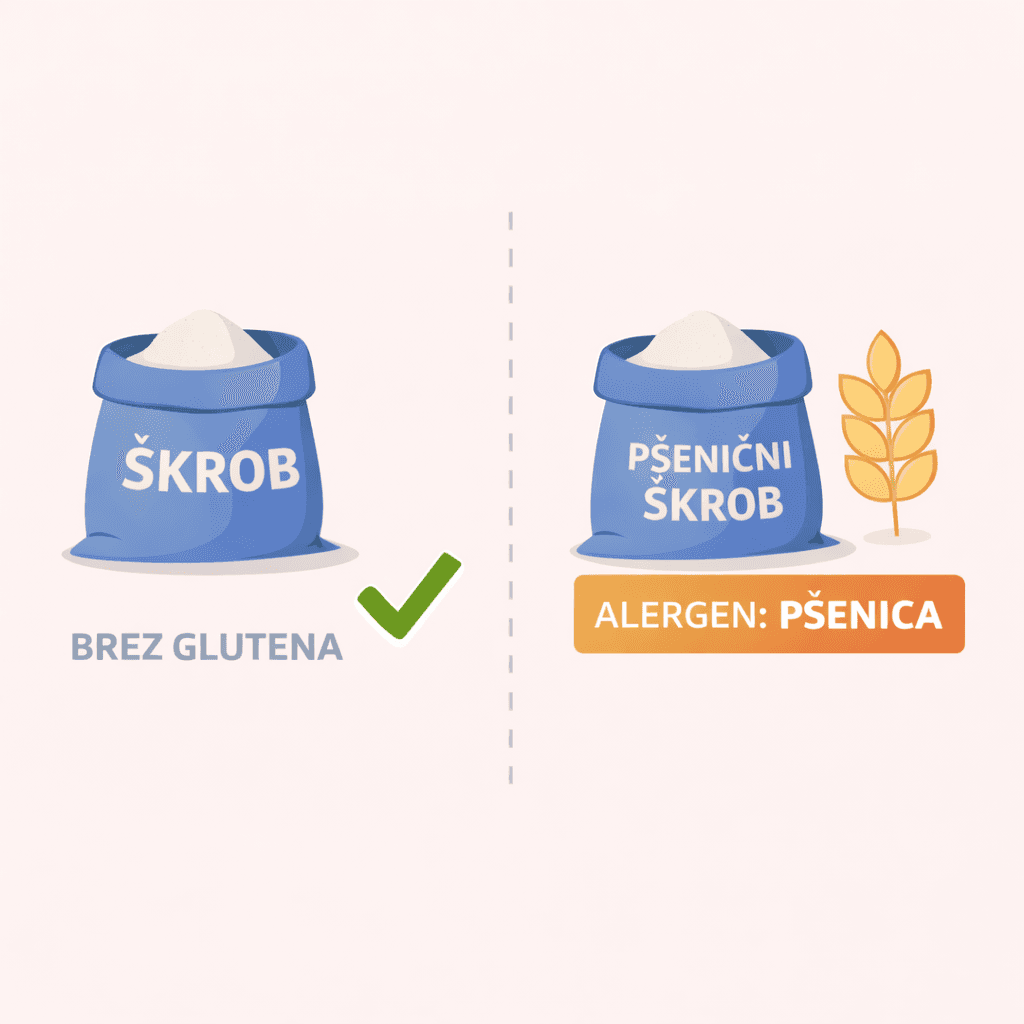
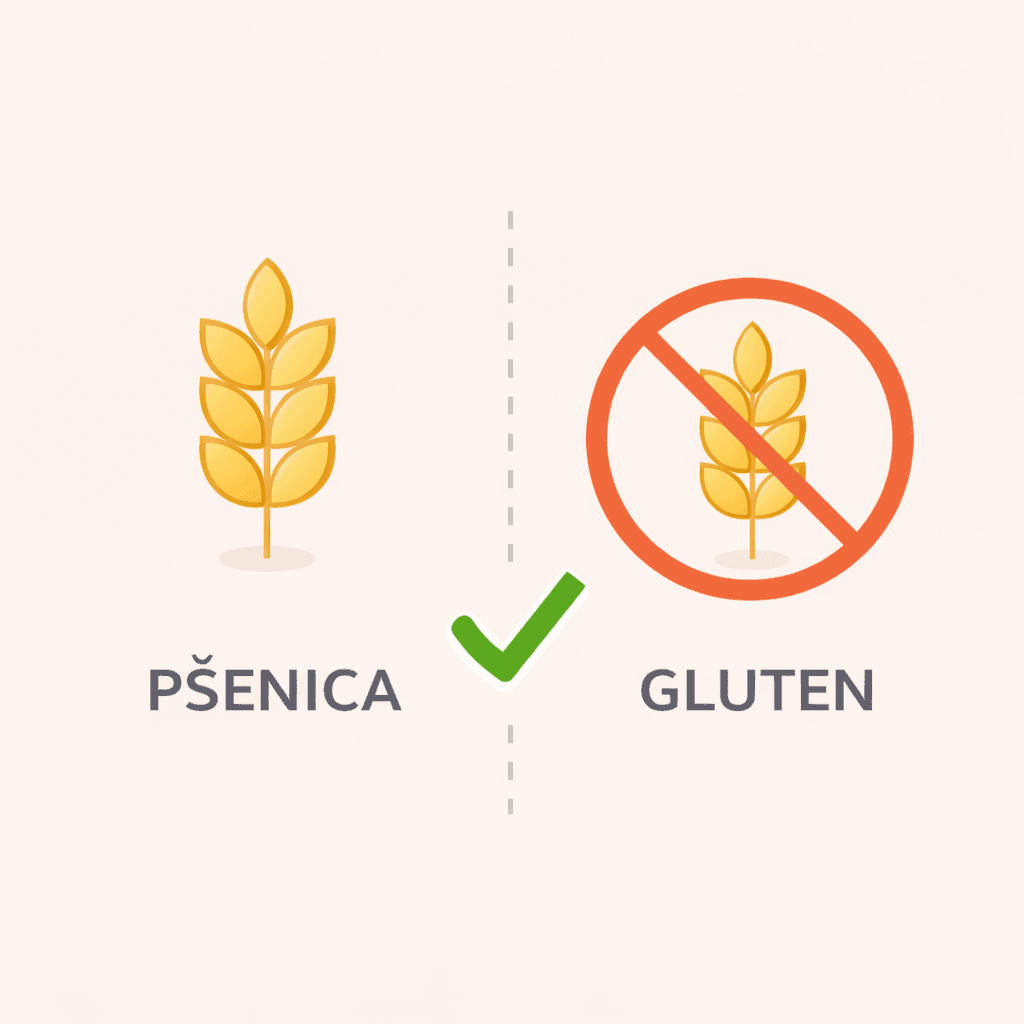
Wheat itself is not always the problem – the problem is gluten. Some products contain specially processed wheat ingredients from which gluten has been removed to a safe level. If a product is labelled ‘gluten-free’, it is safe even if it contains gluten-free wheat starch.
MYTH 7: E-numbers and additives often contain hidden gluten
FACT
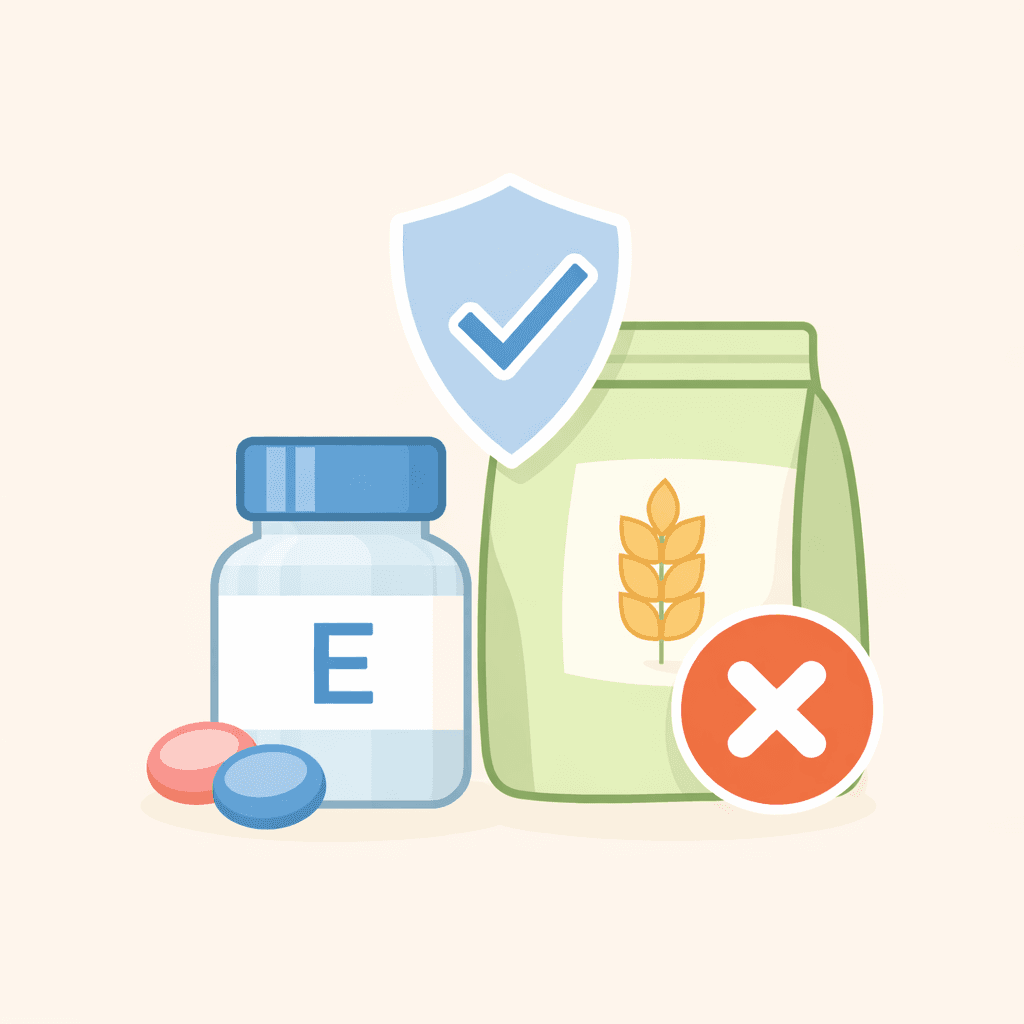
E-numbers, additives, and flavourings do not contain gluten unless clearly stated on the label. In the EU, all allergens must always be clearly marked – even if they are part of additives or flavourings. If gluten is not mentioned in the ingredients or warnings, the product does not contain it.
MYTH 8: You must have digestive problems to have coeliac disease
FACT
Many people with coeliac disease do not have obvious digestive symptoms. Coeliac disease can also present as fatigue, anaemia, headaches, osteoporosis, skin problems, or neurological symptoms.
MYTH 9: A little gluten now and then does no harm
FACT
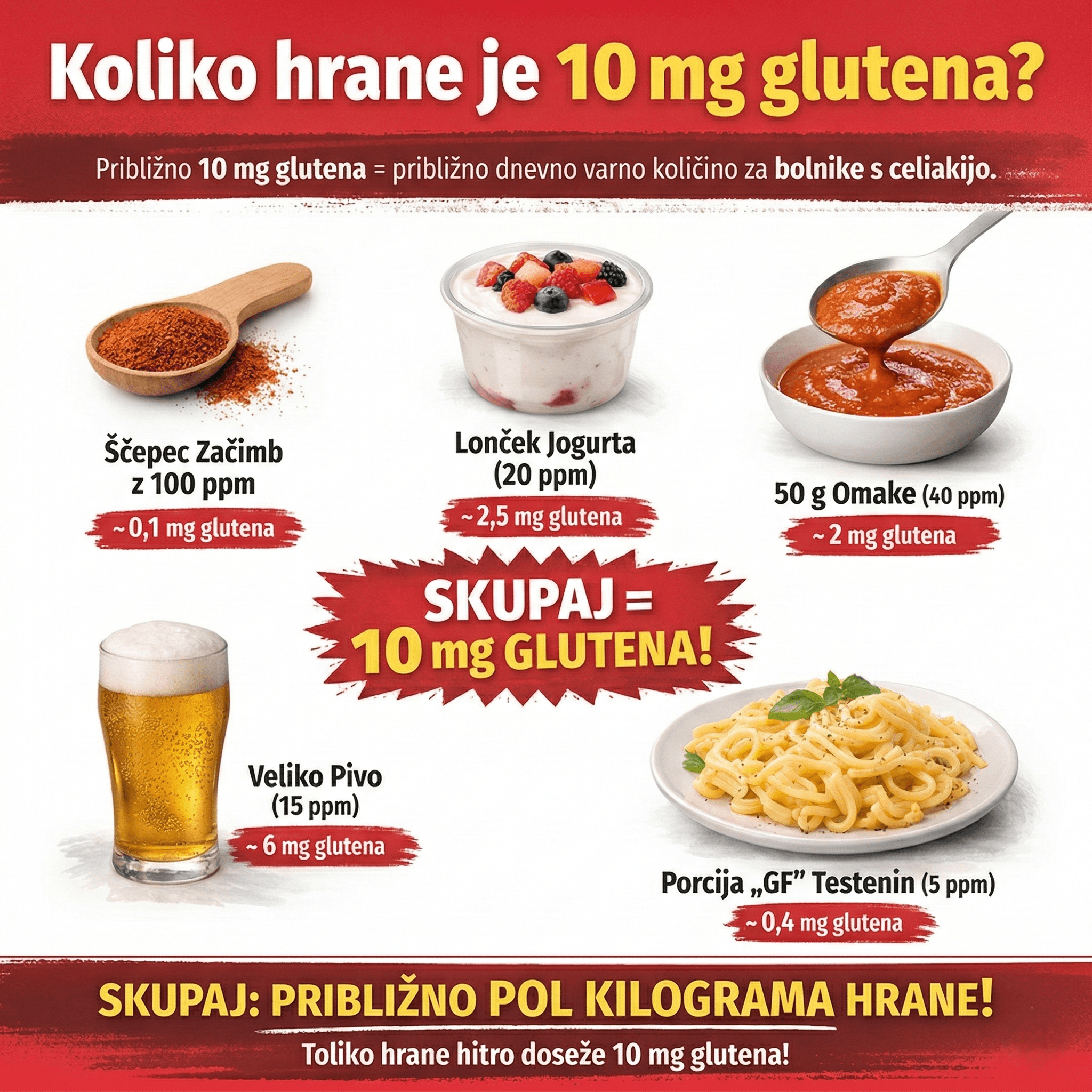
Even in the absence of symptoms, gluten can still damage the gut. For individuals with coeliac disease, a gluten-free diet is not a lifestyle choice, but a medical treatment.
MYTH 10: A gluten-free diet is automatically healthier
FACT
A gluten-free diet is essential for people with coeliac disease, but gluten-free products are not necessarily healthier. Some contain more sugar, fat, or additives than regular products. A healthy gluten-free diet must still be balanced and based primarily on naturally gluten-free foods.
Conclusion
The internet is full of myths about coeliac disease, and misinformation often spreads faster than facts. Reliable information, an understanding of EU legislation, and evidence-based guidelines help people with coeliac disease live safely — without unnecessary fear.
Blog posts