BLOG
Why is gluten-free food more expensive than ordinary food?
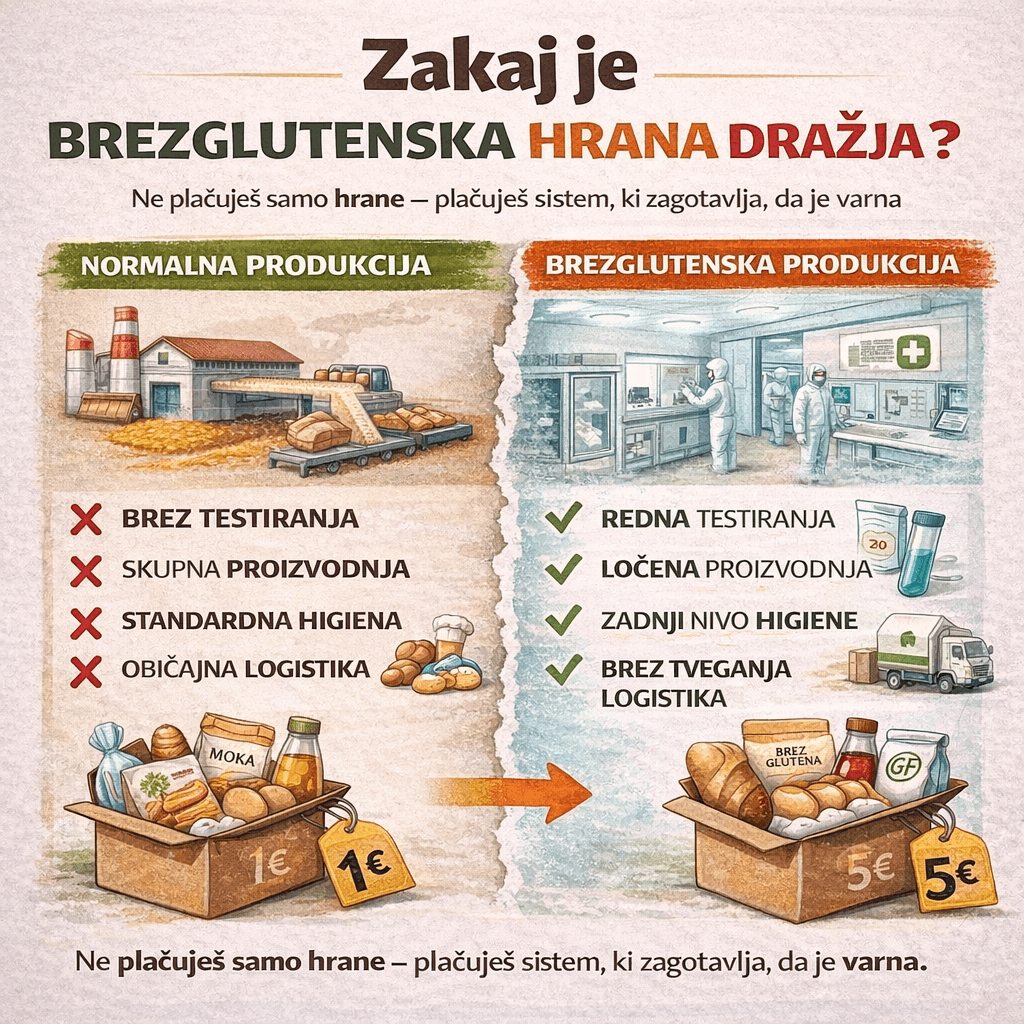
As confirmed by numerous European and international comparative studies of consumer prices, gluten-free food is on average around 4 times, and can be up to 10 times, more expensive than comparable ordinary products. At first glance, such a difference seems excessive, especially for basic foods that are naturally gluten-free in the first place, such as maize flour.
However, the answer lies not in the raw ingredient, but in the entire system behind the “gluten-free” label. It is precisely this system – often invisible to consumers – that explains why the difference in price is no coincidence, but the result of significantly stricter requirements, controls and responsibilities, which is also directly reflected in the higher price of the product.
Ordinary flour versus gluten-free flour
If we take the already mentioned example of maize flour: with ordinary maize flour, the production process is relatively simple. The maize is grown, harvested, milled, packed and sent to market, and the presence of gluten is usually not checked.
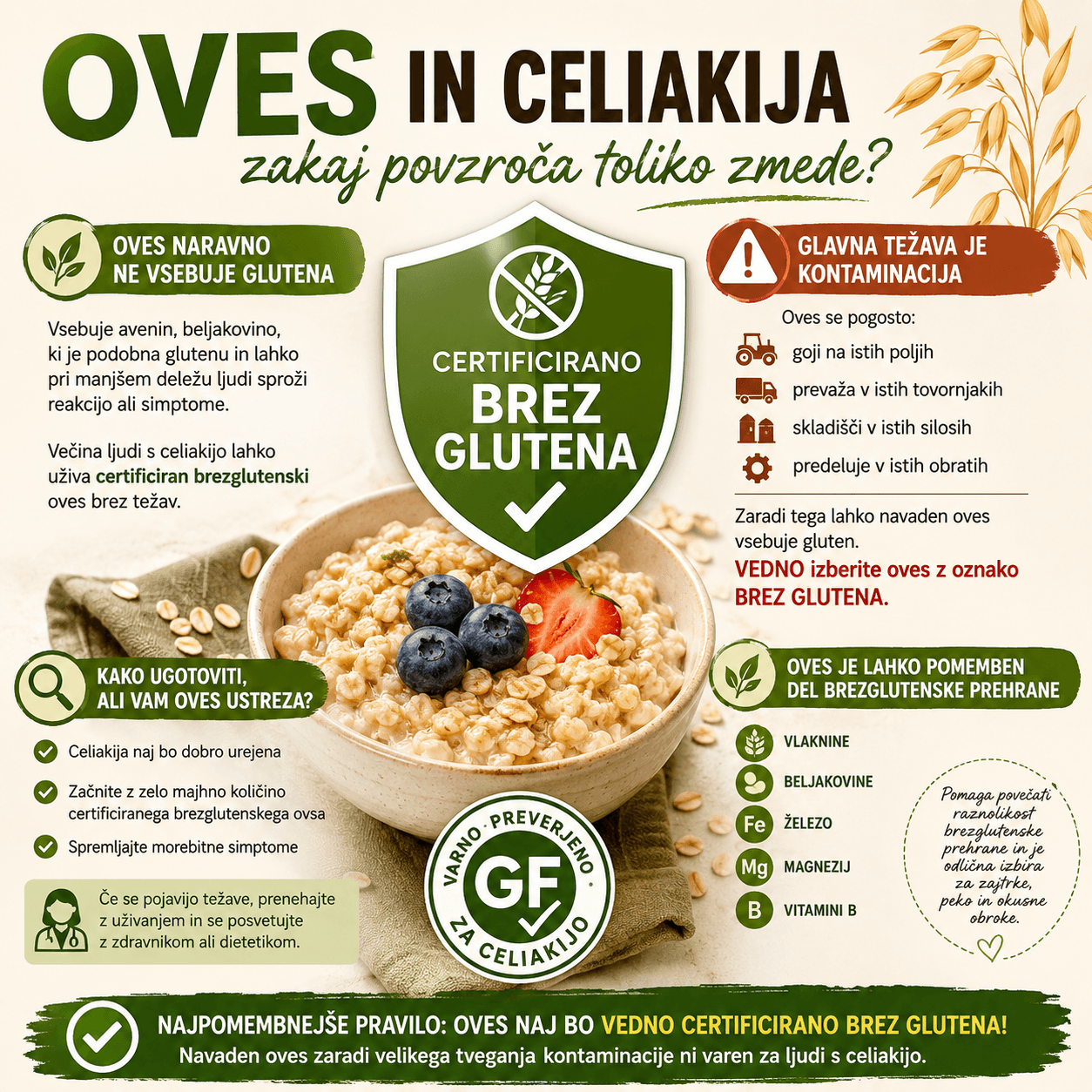
In practice, contamination can happen very quickly – in mills where wheat, barley or rye are also processed, during transport or in warehouses. Such flour does not contain gluten as an ingredient, but it may contain traces of it. While this is not a problem for most consumers, for people with coeliac disease it represents a serious risk, which is why the production of such products is significantly cheaper.
Certificates, analyses and control
With certified gluten-free products, the approach is markedly different. For a product to carry the “gluten-free” label, the gluten content must remain below a strictly defined limit, which is demonstrated through regular laboratory analyses.
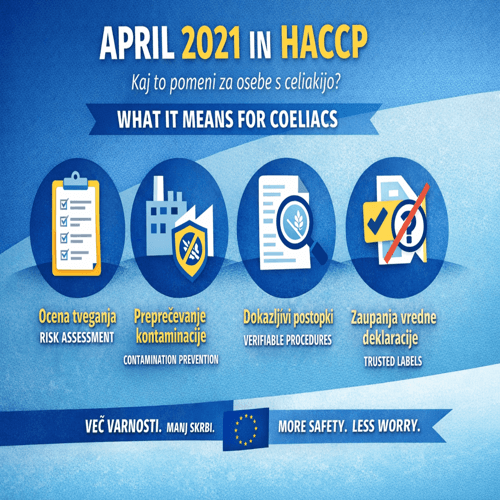
These begin already in the maize fields, then in the incoming warehouse and continue throughout the entire process. This includes systematic testing, documentation and control of every production batch. Certification also means regular inspections of production, traceability of raw materials and ongoing assurance of compliance with standards, all of which represent additional costs.
Production without contamination
An important part of the price difference comes from the organisation of production itself. Gluten-free products require an environment where the risk of contamination is minimal.
Gluten can also be carried through the air, in the form of fine flour particles, or via equipment and employees’ clothing. That is why some manufacturers use production areas with positive pressure, where air leaves the room outwards, preventing outside air from entering. Such systems include advanced ventilation, air filtration and constant monitoring, which means additional investment.
Strict hygiene and access control
In such facilities, special entrances or airlocks are often in place. Employees must change clothing, clean their footwear and follow stricter hygiene rules before every entry into production.
Every entry is controlled, as even a minimal amount of gluten can compromise product safety. Separate work clothing, restrictions on bringing food in and additional protective measures are used, which increases complexity and costs.
Cleaning and production verification
Cleaning equipment in gluten-free production also differs from ordinary procedures. It includes checking the effectiveness of cleaning through laboratory analyses of surfaces.
Not only the final products are tested, but also the production environment, including the air and work surfaces. This means additional monitoring and safety costs, which affect the final price of the product.
Raw materials under control
Raw materials also have a major impact on the price. Manufacturers must rely on suppliers where it must be ensured that contamination does not already occur in the field, during transport or in storage.
This means choosing verified suppliers, separate handling and full traceability of the supply chain, which raises costs already at the raw-materials stage.
Risk-free logistics
Logistics for finished products is also an important factor. Gluten-free products require separate storage and controlled transport, as contact with gluten can occur even after production has been completed.
Every step must be carefully monitored, which further affects the final price.
Smaller market, higher price
Alongside the technical requirements, the economic aspect is also important. The gluten-free product market is significantly smaller, so products are manufactured in smaller batches.
Smaller volumes mean higher costs per unit, as fixed costs are spread over a smaller quantity, which is directly reflected in a higher price for the consumer.
Technological challenges without gluten
For processed gluten-free products, such as bread, pasta or biscuits, the complexity increases further. Gluten plays an important role in conventional products, as it provides structure and elasticity.
Without it, new recipes must be developed, special combinations of ingredients used and production processes adapted, which increases development and manufacturing costs.
Greater risk for the manufacturer
All of the above also means greater risk for the manufacturer. An error can lead to product recall, loss of certification and loss of consumer trust.
That is why manufacturers invest significantly more resources in control, safety and quality, which is reflected in the higher price of products.
Conclusion: price as a reflection of the system
When we combine all these factors, it becomes clear that gluten-free products are more expensive not because of the raw ingredient itself or a trend, but because of the significantly more demanding production system.
It is a holistic approach that includes control of every stage – from the selection of raw materials to the final product. It is precisely this difference that is ultimately reflected in the price, which is not accidental, but the result of a safety-assurance system that people with coeliac disease need.
About the author
Mag. Miha Muhič is first a father and husband, then an entrepreneur, author of the award-winning book Not Just Food and, above all, an ambassador of gluten-free living.
Through his personal experience with coeliac disease, he discovered his mission in raising awareness among those who have not yet been diagnosed. Early diagnosis can prevent many problems, as many people live with unrecognised symptoms. Through awareness-raising and high-quality gluten-free products, he helps people on the path to a better life.
Blog posts