BLOG
What has actually changed?
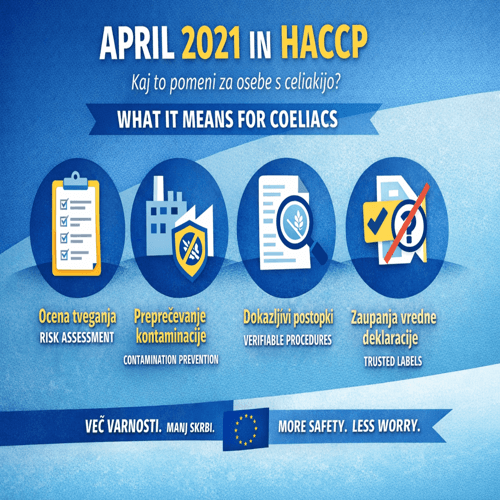
These are not completely new rules, but rather a strengthening of the existing system.
The focus today is on:
greater focus on allergens within HACCP
structured and mandatory risk assessment
preventing contamination (not just controlling it)
evidenced procedures, not merely ‘good practice’
For manufacturers, this means that caution alone is no longer enough.
They must show how, in concrete terms, they prevent contamination.
What does this mean for coeliacs?
For people with coeliac disease, this means very concrete changes.
Every manufacturer must analyse whether gluten could get into the product.
If a risk exists, it must be reduced or clearly labelled.
If there is no risk, this must be based on a real and documented assessment.
This is not a matter of instinct, but of a systematic approach.
How is cross-contamination managed today?
In practice, this includes several key measures:
separate storage of raw materials
separate or thoroughly cleaned production lines and equipment
validated cleaning procedures
control of the production process (sequence, flows)
trained staff
Most importantly, all of this must be documented and verifiable.
What does this mean for labelling?
This brings us to one of the most misunderstood areas.
In the EU, the rule is clear:
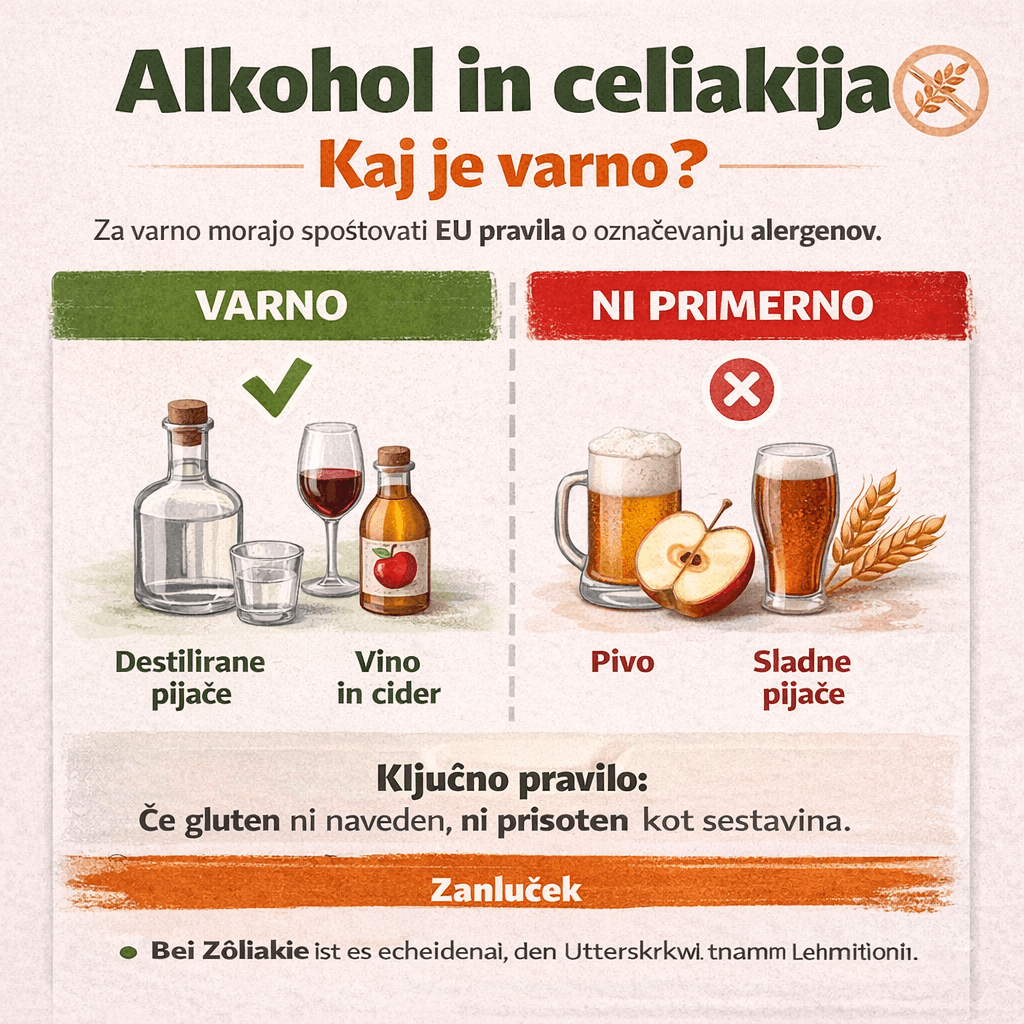
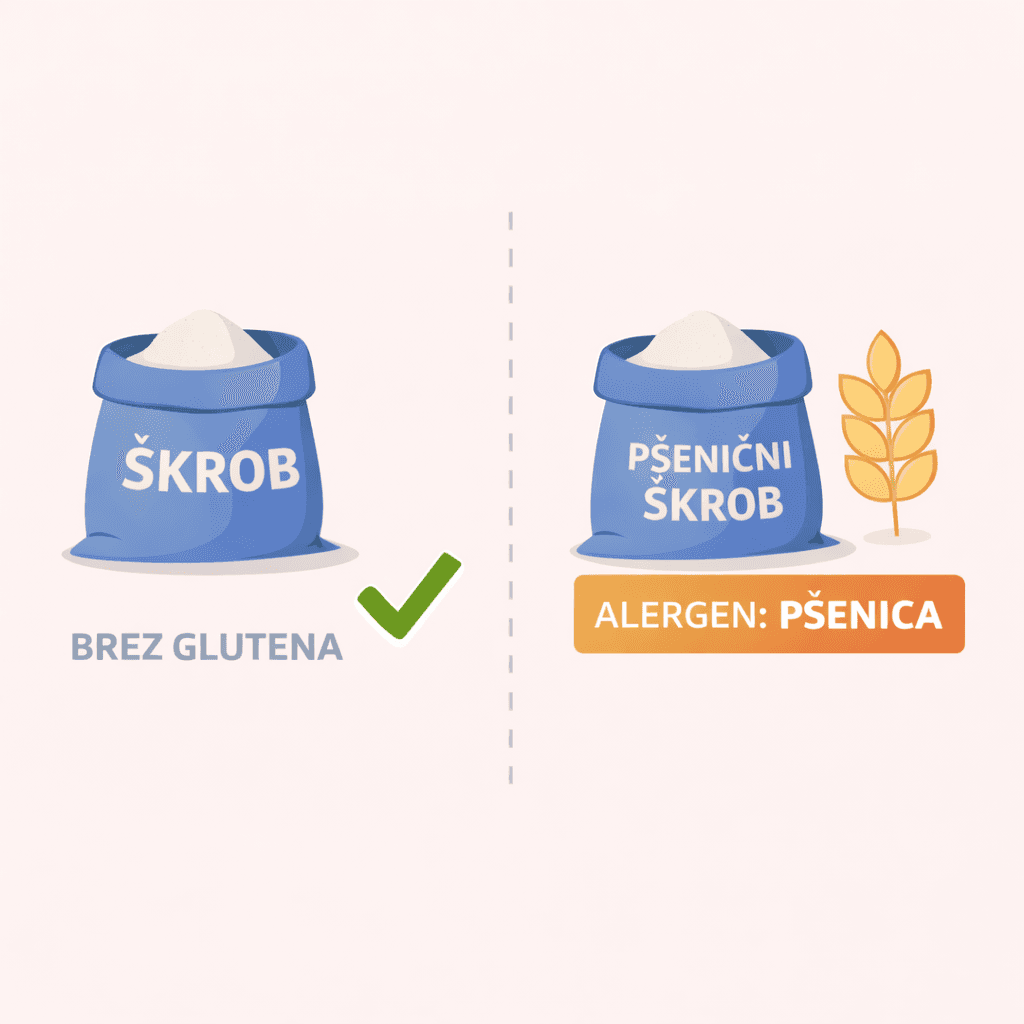
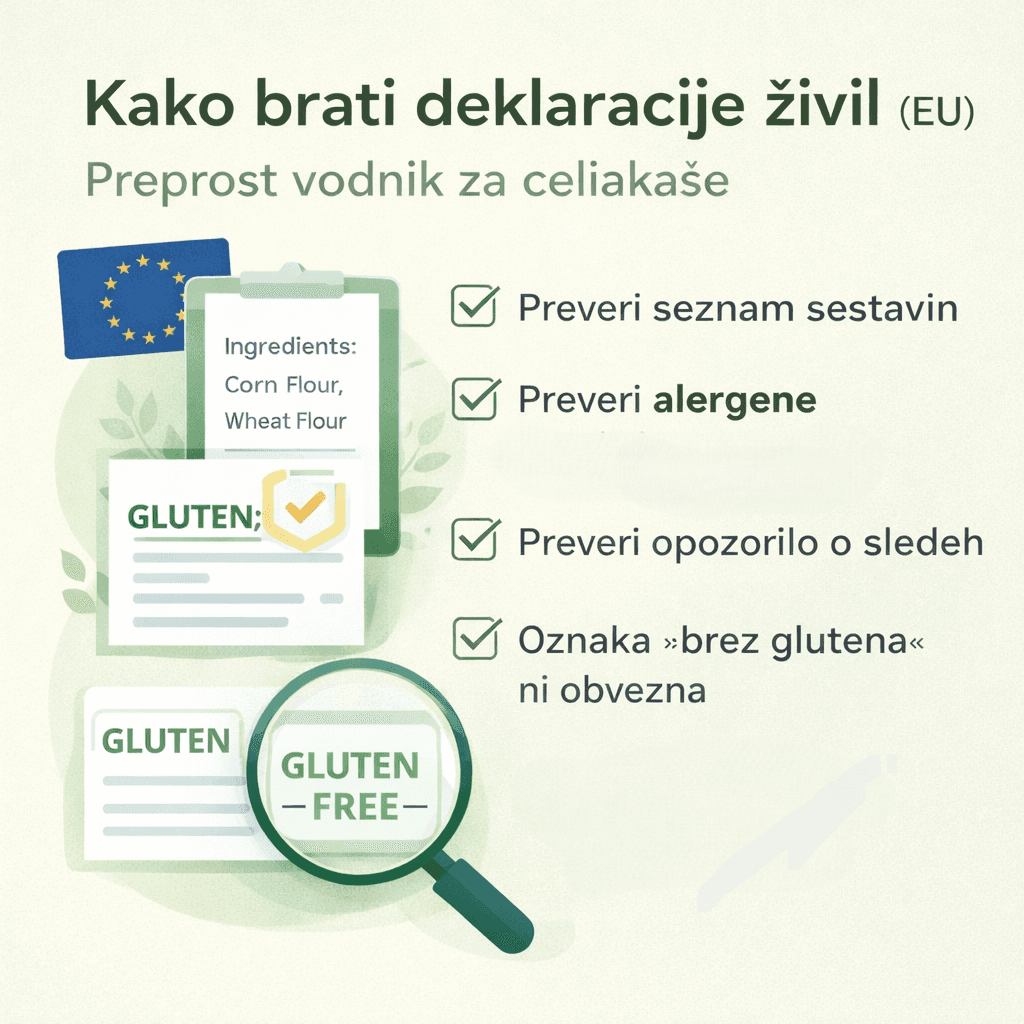
allergens, including gluten, must always be clearly indicated in the ingredients.
Therefore:
if gluten is not on the ingredients list, that is not by chance, it means the product has been assessed within HACCP and the risk assessment.
‘May contain traces of …’ – Is it really voluntary?
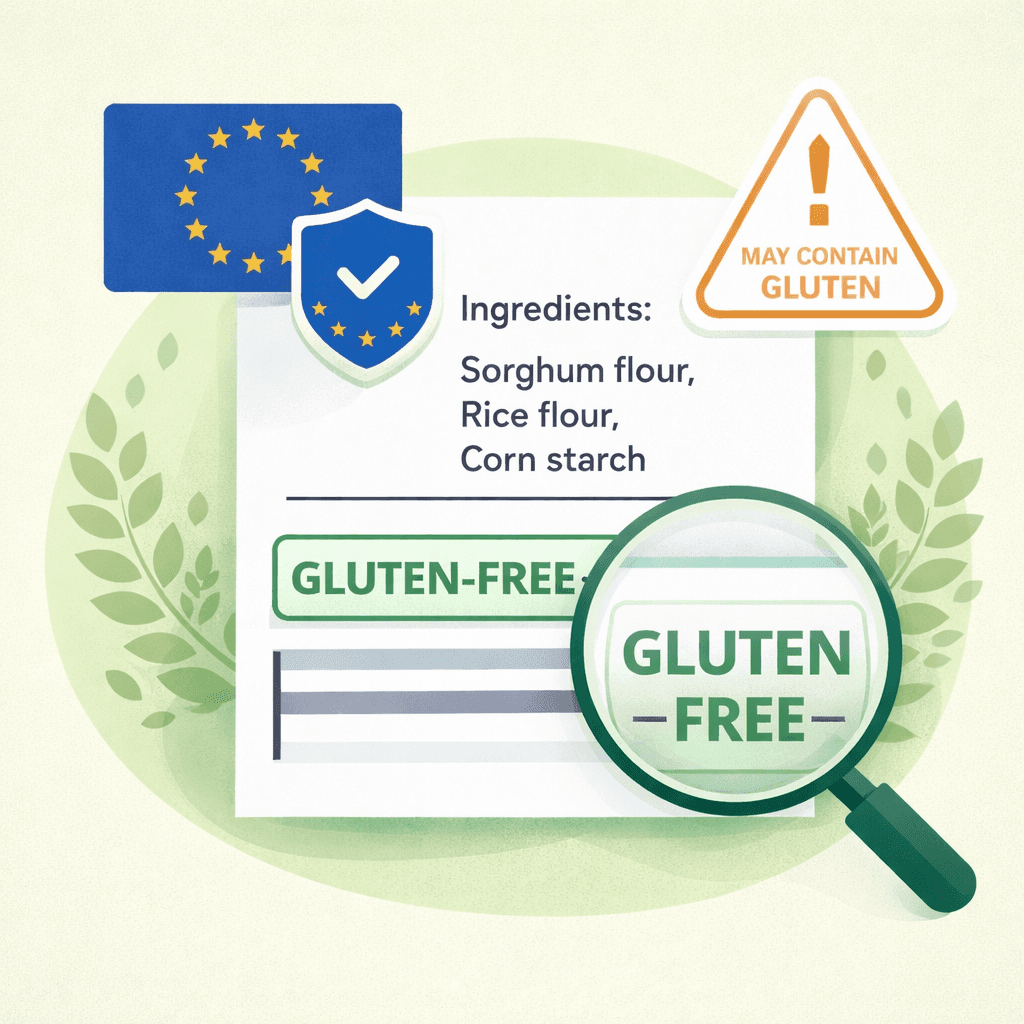
So-called precautionary allergen labelling (PAL) is often described as voluntary, but that does not mean it is without rules.
According to EU and Codex guidelines:
it must be based on a risk assessment
it is used only if contamination cannot be reliably prevented
it must not replace good manufacturing practices
This means:
if PAL exists, there is a reason
if there is no PAL, that too is based on analysis
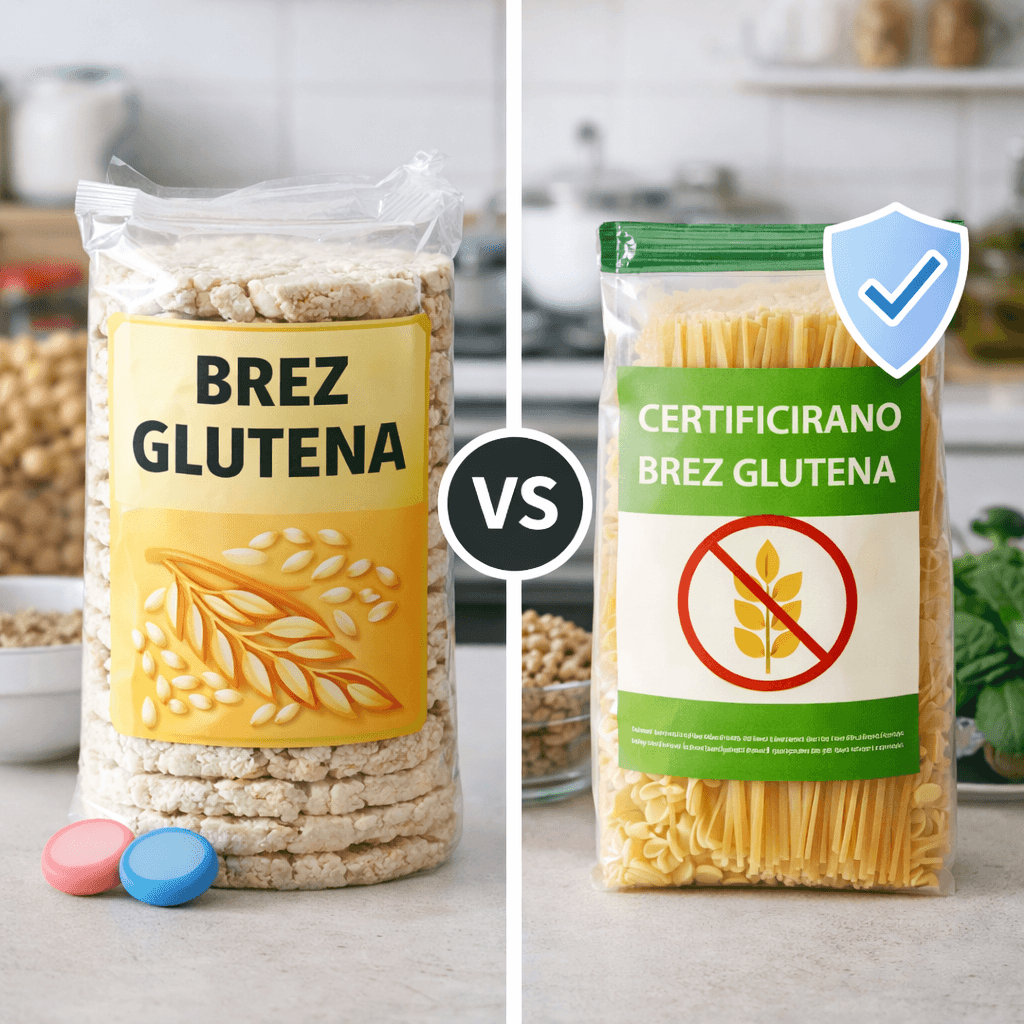
Can we trust products without a ‘gluten-free’ label?
Based on the system in force today, the answer is often: yes.
If a product does not contain gluten in the ingredients and does not have PAL, then behind this stands:
the HACCP system
risk assessment
EU legislation
This is not guesswork, but a structured system.
Why, then, so much distrust?
In practice, problems arise because of:
excessive use of the ‘may contain’ label
unclear communication by manufacturers
a loss of trust among consumers.
It is important, though, to understand the difference:
caution does not mean complete restriction
safety does not mean exclusively certified products
What does this mean for everyday life?
If coeliacs restrict themselves only to products labelled ‘gluten-free’, they often:
needlessly narrow their choices
make everyday decisions harder
increase food costs.
The reality, however, is that the system after 2021 is designed to allow safe choices even without a special label.
Conclusion
The HACCP changes after April 2021 mean:
more control over allergens
better protection for consumers
greater responsibility for manufacturers
For people with coeliac disease, this means:
more trust in labels
more freedom in choosing food
less need to rely entirely on a ‘gluten-free’ label
European Commission – Food Safety: Food Allergens
https://food.ec.europa.eu/food-safety/food-information-consumers/food-allergens_en
European Commission – Commission Notice on the implementation of food safety management systems (2022 update, based on Codex HACCP principles)
https://eur-lex.europa.eu/legal-content/EN/TXT/?uri=CELEX:52022XC0909(01)Codex Alimentarius Commission – General Principles of Food Hygiene (CXC 1-1969, incl. HACCP 2020 update)
https://www.fao.org/fao-who-codexalimentariusWorld Health Organization & Food and Agriculture Organization – Codex guidance on allergen management and precautionary labelling
https://www.fao.org/fao-who-codexalimentariusEuropean Food Safety Authority – Scientific opinions on food allergens and risk assessment
https://www.efsa.europa.euEuropean Commission – Regulation (EU) No 1169/2011 on food information to consumers
https://eur-lex.europa.eu/legal-content/EN/TXT/?uri=CELEX:32011R1169
Blog posts