BLOG
What is gluten and where does it come from?
Gluten is a protein that naturally occurs in wheat and also in barley and rye. In wheat, it gives dough its elasticity and structure, playing a crucial role in the baking of bread, pizzas and pastries.
However, it is important to understand that gluten is not the entirety of wheat. Just as individual parts can be removed from fruit, it is also possible to remove gluten from wheat using specific processes.
How is gluten removed from wheat?
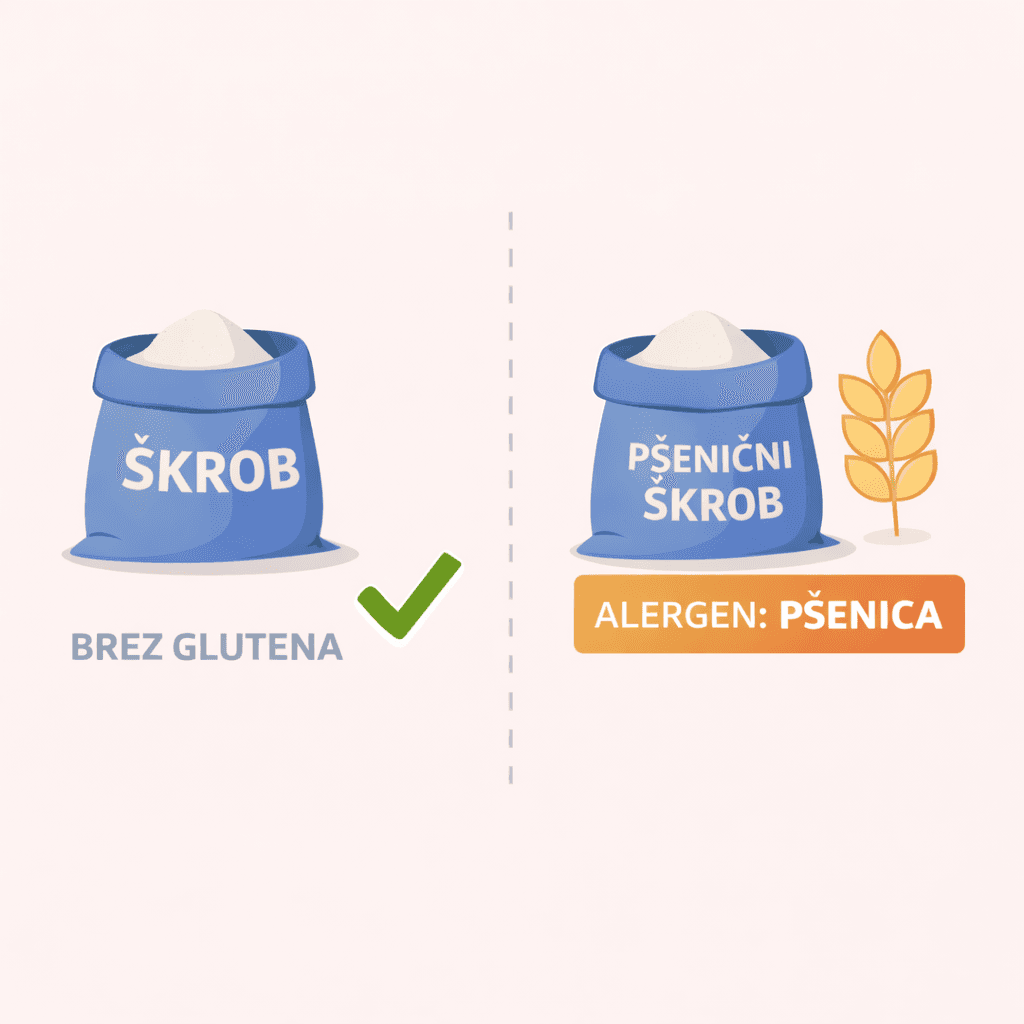
In the production of gluten-free wheat starch, wheat is processed with special physical and technological methods. The gluten is washed out and separated, and the remaining starch is purified multiple times.
The final product must be laboratory-tested and contain less than 20 mg of gluten per kilogram (20 ppm). If it meets this condition, it can legally be labelled as ‘gluten-free’ in accordance with EU legislation.
Why does the label still say ‘wheat’?
This is a very important and often misunderstood point.
Even though the gluten has been removed, the product is still derived from wheat. Therefore, the wheat allergen must be stated on the label.
The reason is clear: people with a wheat allergy can still have a reaction, but coeliac disease and a wheat allergy are not the same condition.
Such a product can be safe for people with coeliac disease, but it is not safe for those with a wheat allergy.
Where is gluten-free wheat starch used?
Gluten-free wheat starch is most commonly used in:
gluten-free bread and baked goods
gluten-free pizzas and doughs
some gluten-free pasta
specialised gluten-free bakeries, especially in Italy, Germany and Austria.
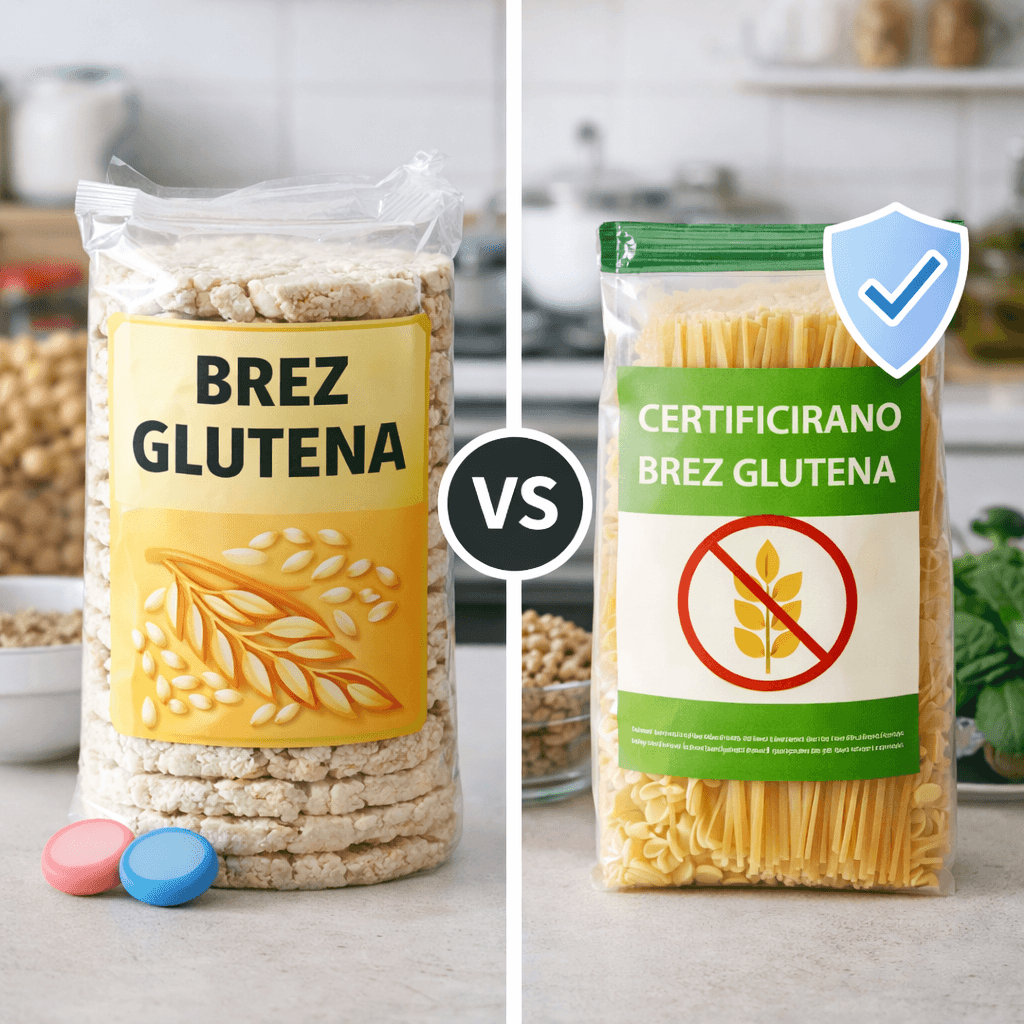
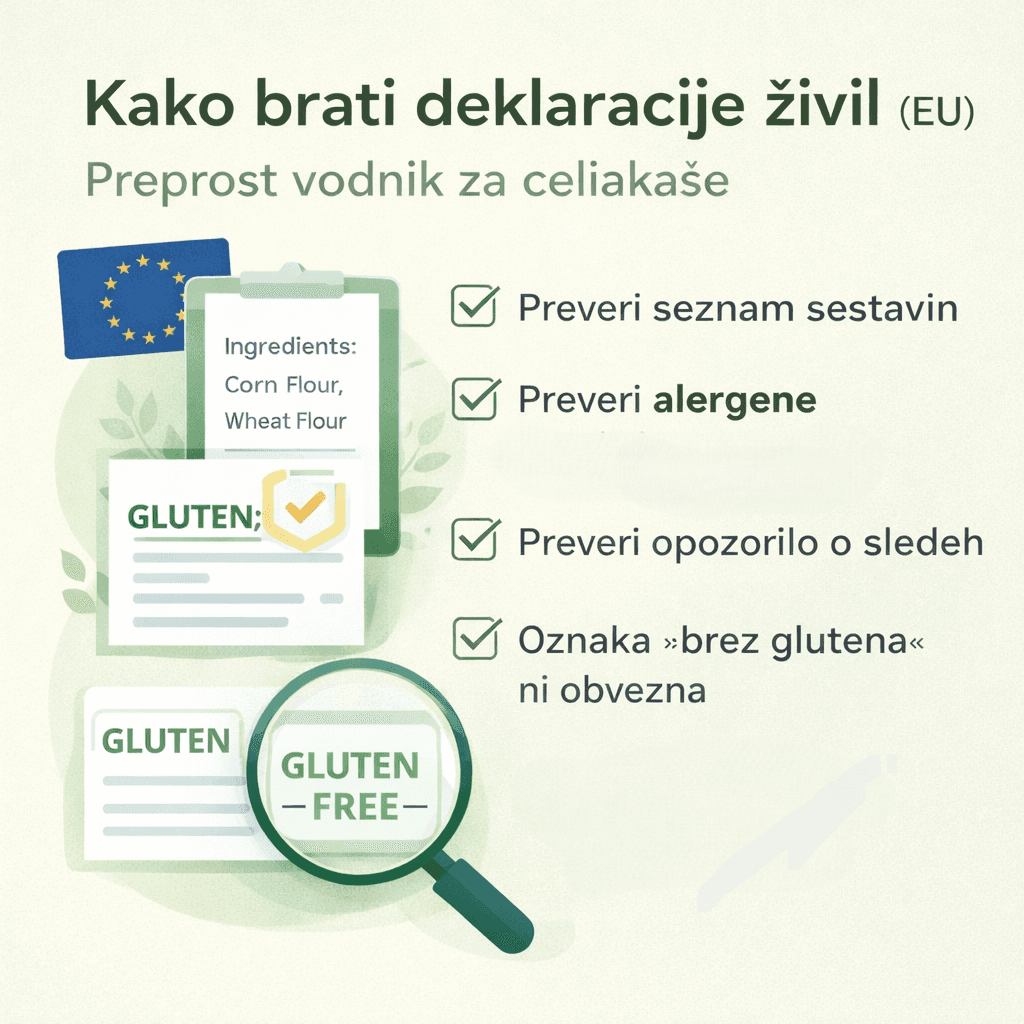
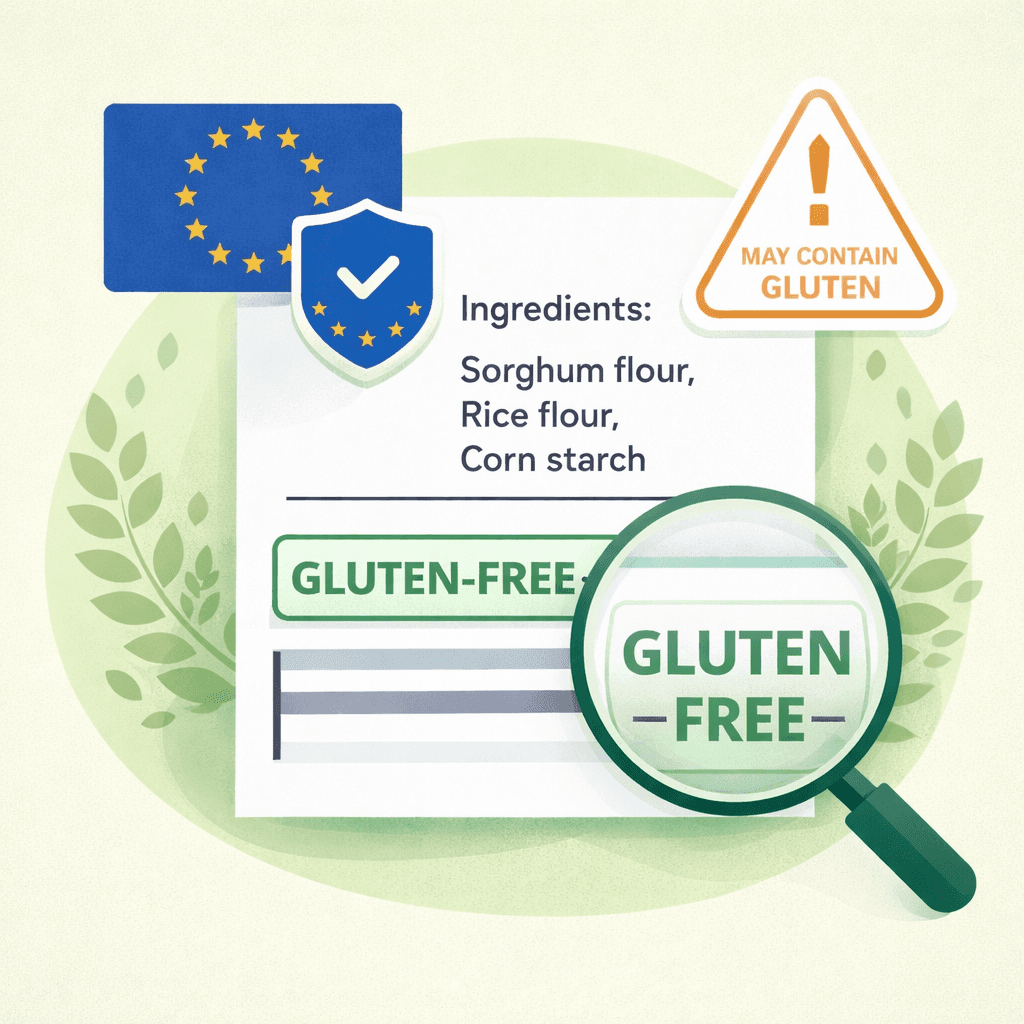
On the label, you will often find the indication ‘gluten-free wheat starch’ and the allergen WHEAT printed in bold. This is not a mistake, but a legal requirement.
Why are such products even allowed?
Because science and legislation are based on measurable values, not on fear.
The limit of 20 ppm of gluten is scientifically justified and confirmed as safe for the vast majority of people with coeliac disease. Gluten-free wheat starch has been used in the EU for decades, and many people with coeliac disease consume such products without issues.
Of course, individual differences exist. Some decide to avoid such products, which is a completely legitimate personal choice but not a legal or health necessity for everyone.
Key message
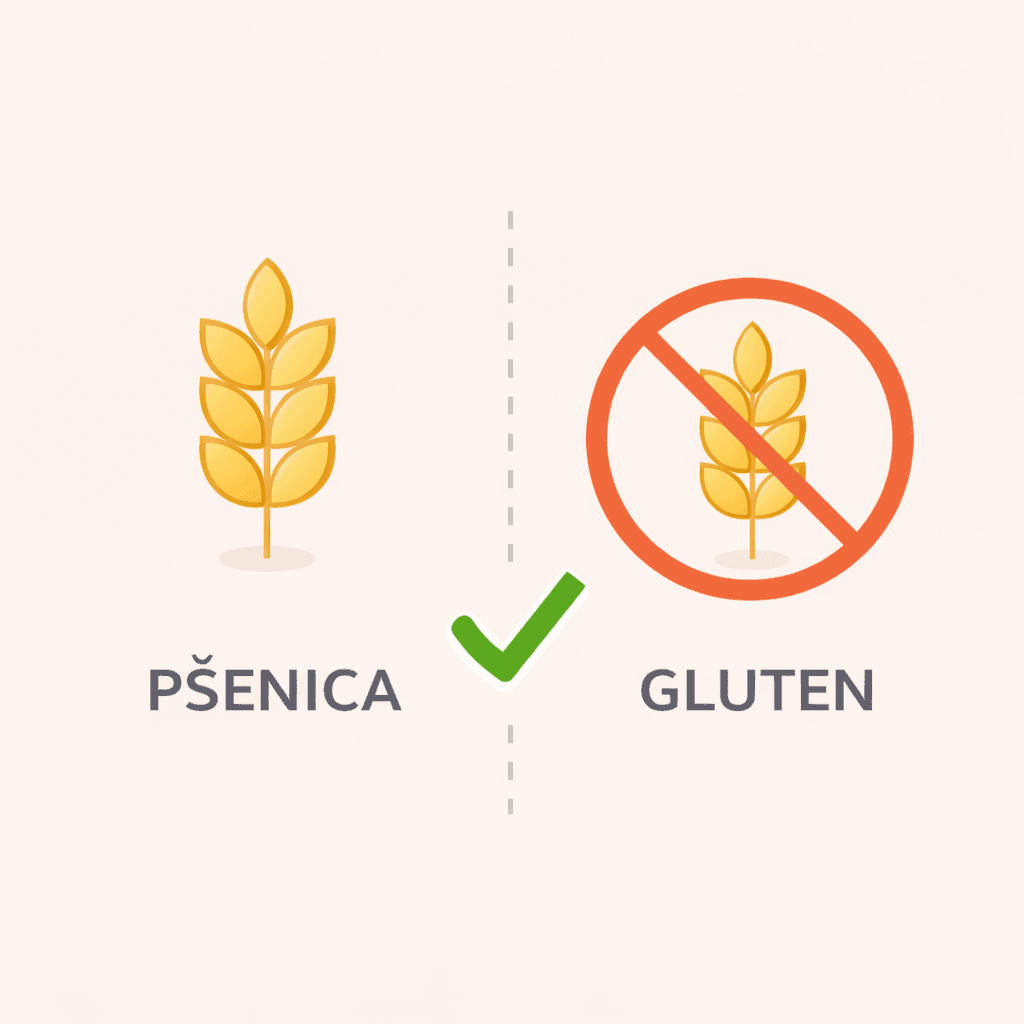
Wheat and gluten are not always the same.
Gluten can be removed from wheat.
Products with gluten-free wheat starch can be safe for people with coeliac disease.
The wheat allergen must remain clearly marked.
Therefore, proper reading of labels is crucial.
Understanding these differences helps individuals with coeliac disease expand their diet, reduce fear and make informed decisions based on facts, not myths.
Case study: gluten-free wheat starch in flour blends
A good example of using gluten-free wheat starch in practice is the Slovenian brand Gluteno, which is also featured on Gluten-Free Hub EU.
Their Premium Mix formula contains gluten-free wheat starch, obtained through a special process of removing gluten, so that the final product contains less than 20 ppm of gluten and is suitable for people with coeliac disease.
According to Regulation (EU) No 828/2014, such a product can be legally labelled as gluten-free. However, since it is derived from wheat, the allergen wheat must still be clearly marked on the label, as this is crucial for people with a wheat allergy.
Such flour blends are often appreciated for their superior baking properties, providing structure, elasticity, and taste closer to traditional products containing wheat, while remaining safe for people with coeliac disease.
You can read more about Gluteno Premium Mix flour here:
https://www.gluteno.si/moke-brez-glutena/premium-mix-mesanica-moke-brez-glutena-1kg/
Blog posts