Article
What does ‘gluten-free’ mean under EU law?
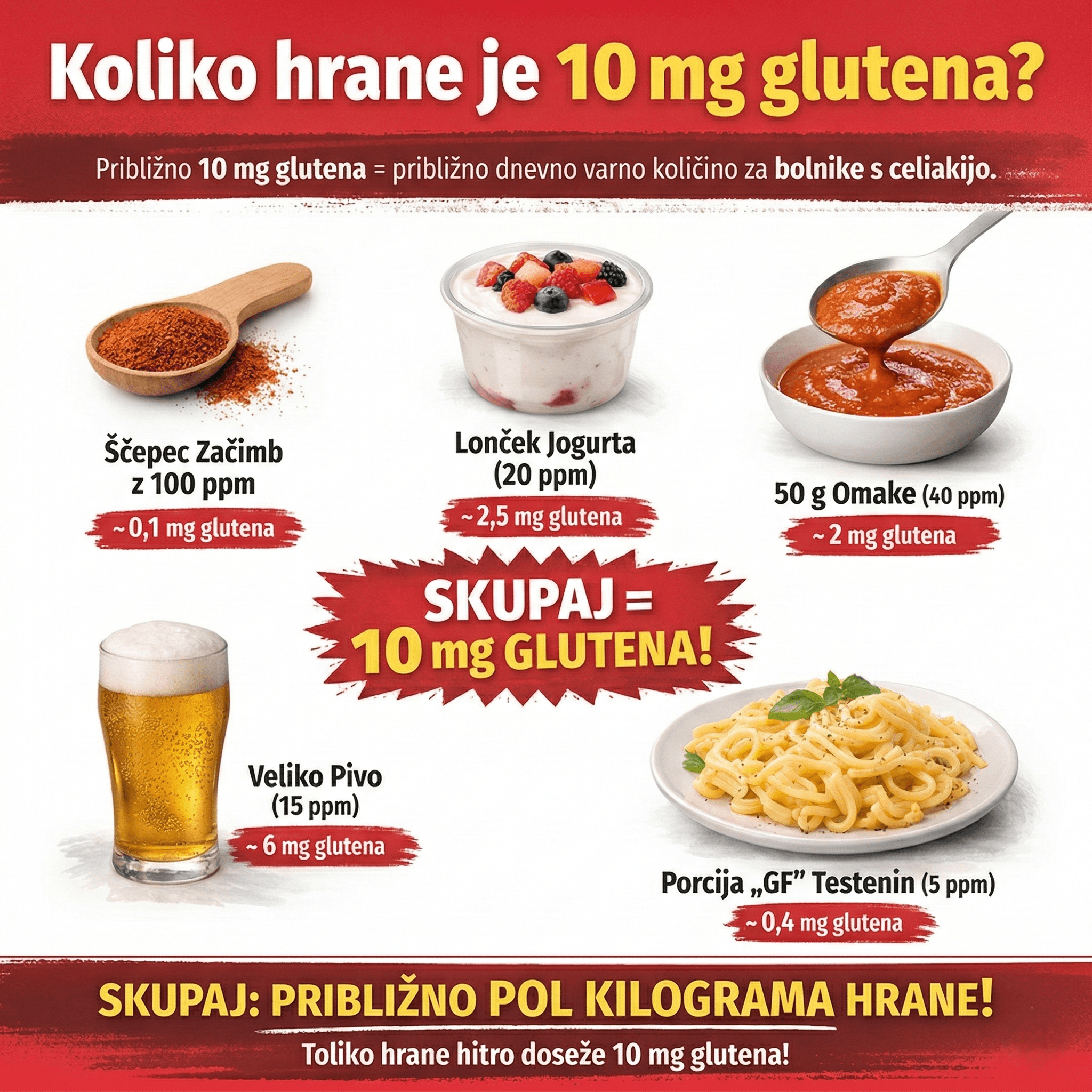
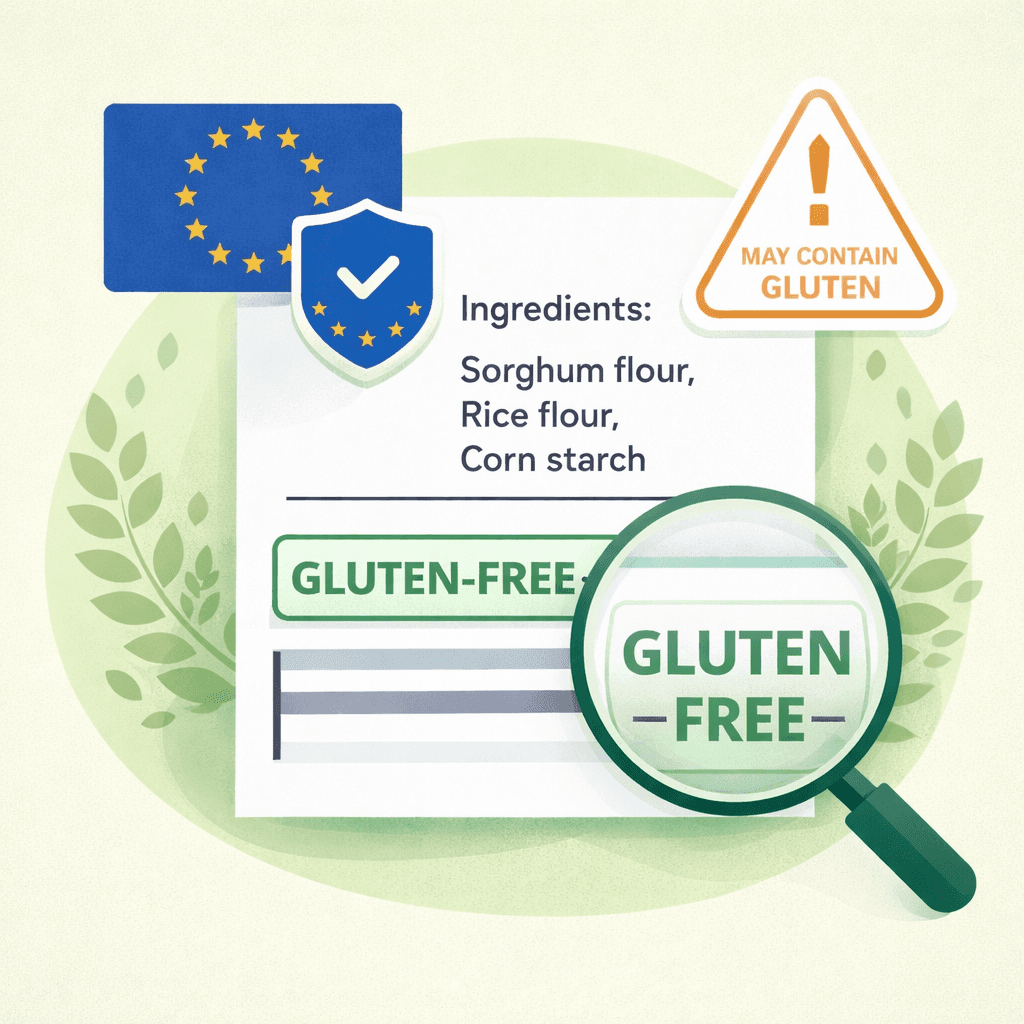
In accordance with Regulation (EU) No 828/2014, a food product can be labelled as ‘gluten-free’ if it contains less than 20 mg of gluten per kilogram (20 ppm). This threshold is based on scientific evidence and is considered safe for individuals with coeliac disease.
It is important to understand:
use of the term ‘gluten-free’ is voluntary, not mandatory
products are not required to have a gluten-free label to be considered safe for coeliacs
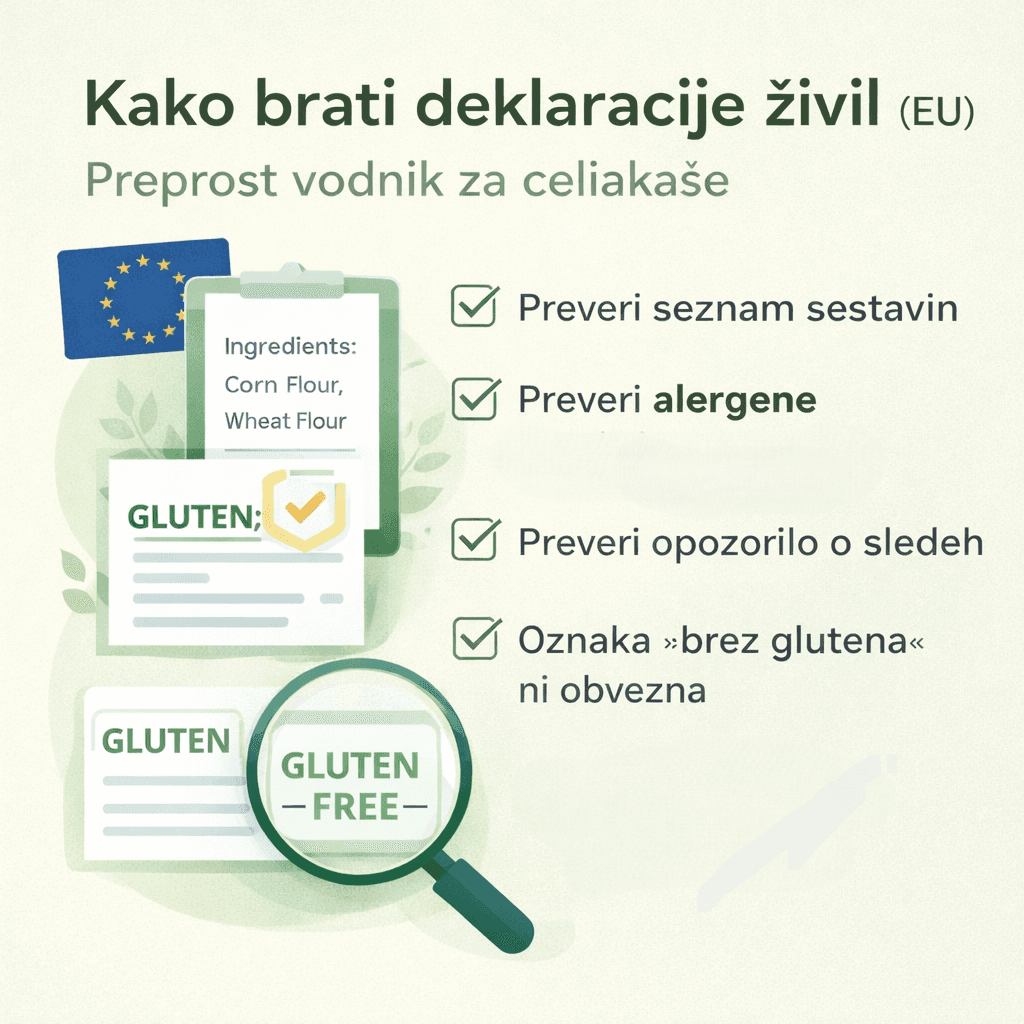
it is mandatory to clearly label allergens in accordance with Regulation (EU) No 1169/2011
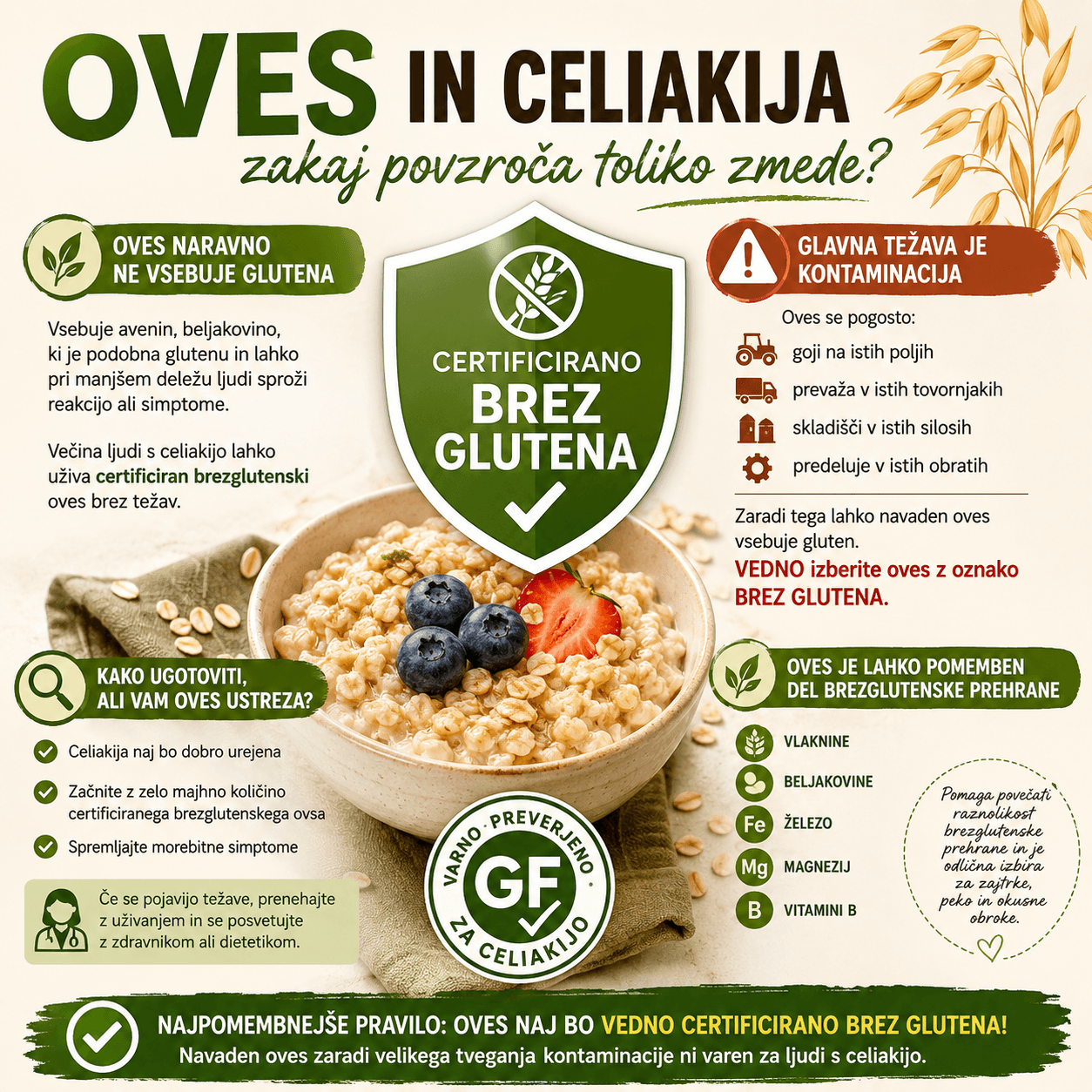
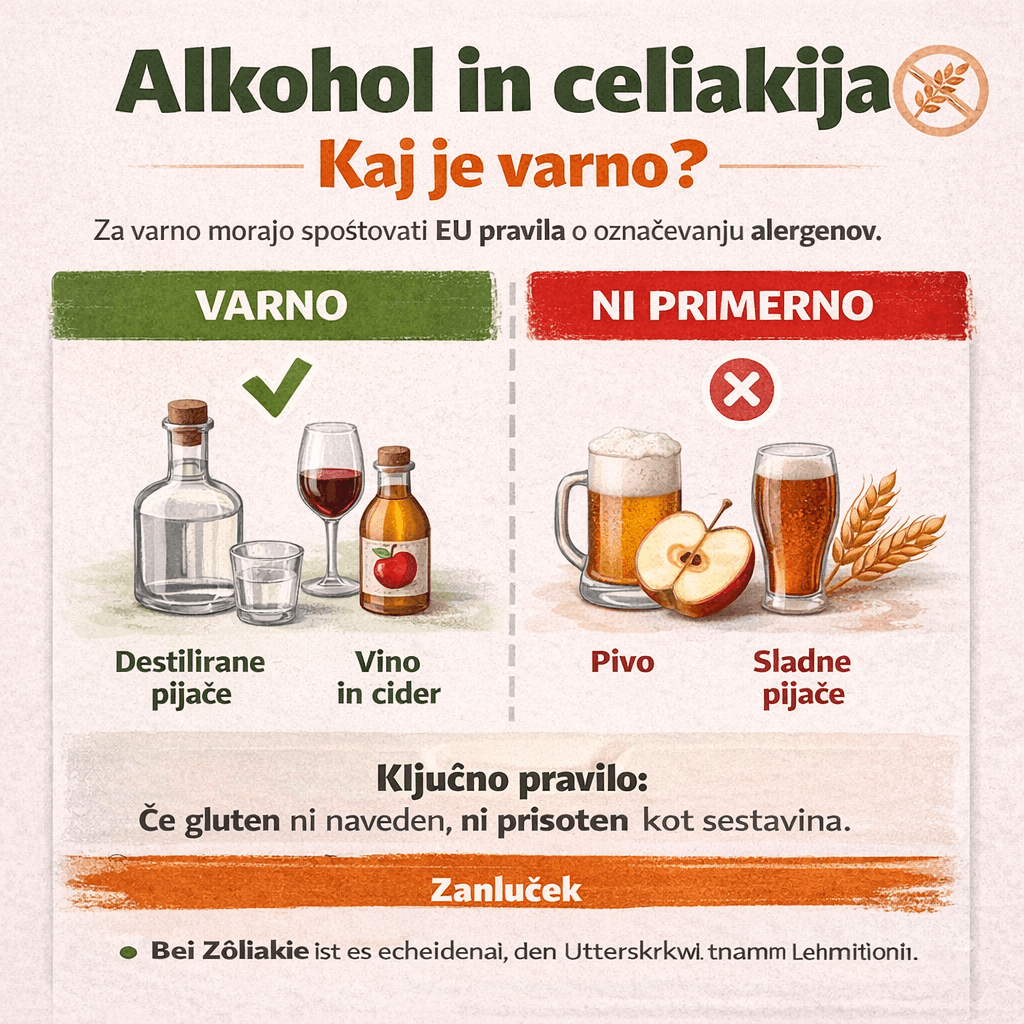
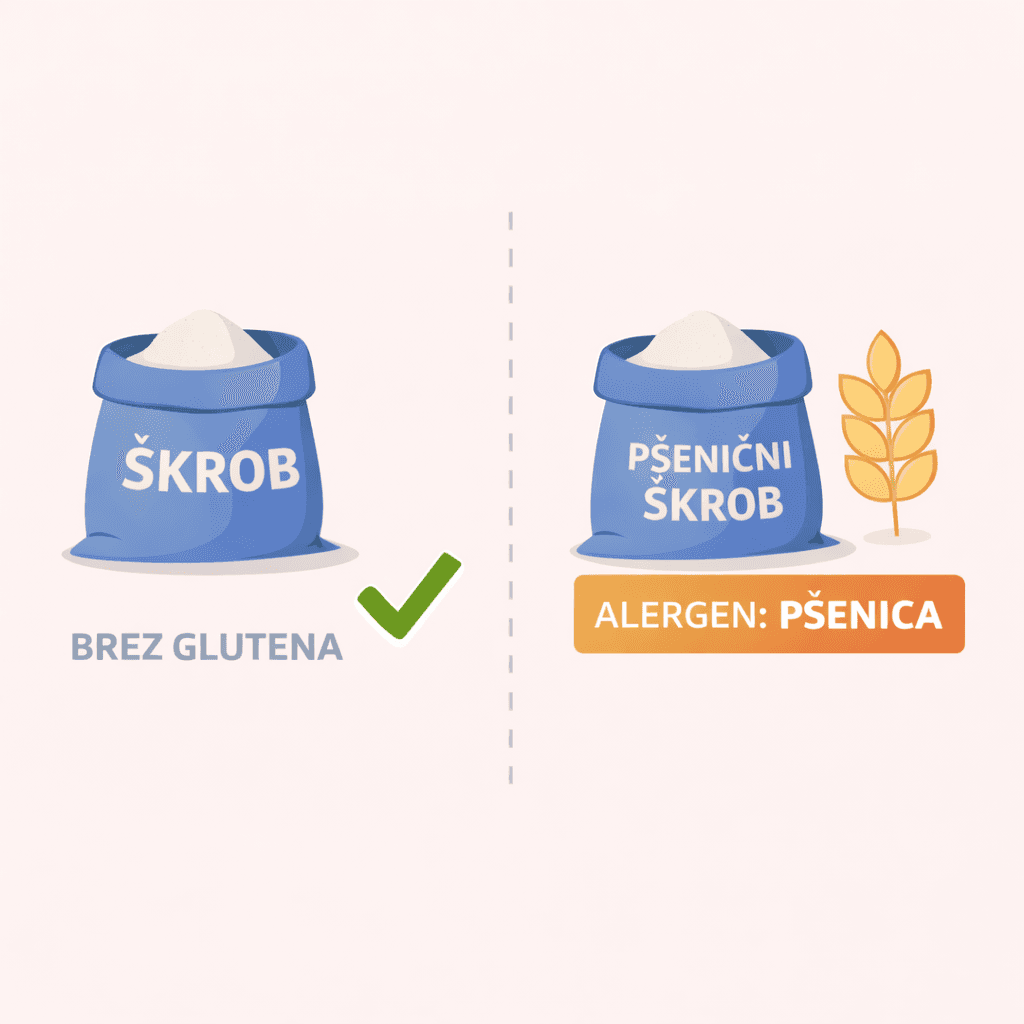
If grains containing gluten (wheat, barley, rye, oats) are present as ingredients, they must be clearly stated and highlighted. If there is a real risk of cross-contamination, the manufacturer must assess the risk and inform consumers accordingly, for instance by stating ‘may contain traces…’.
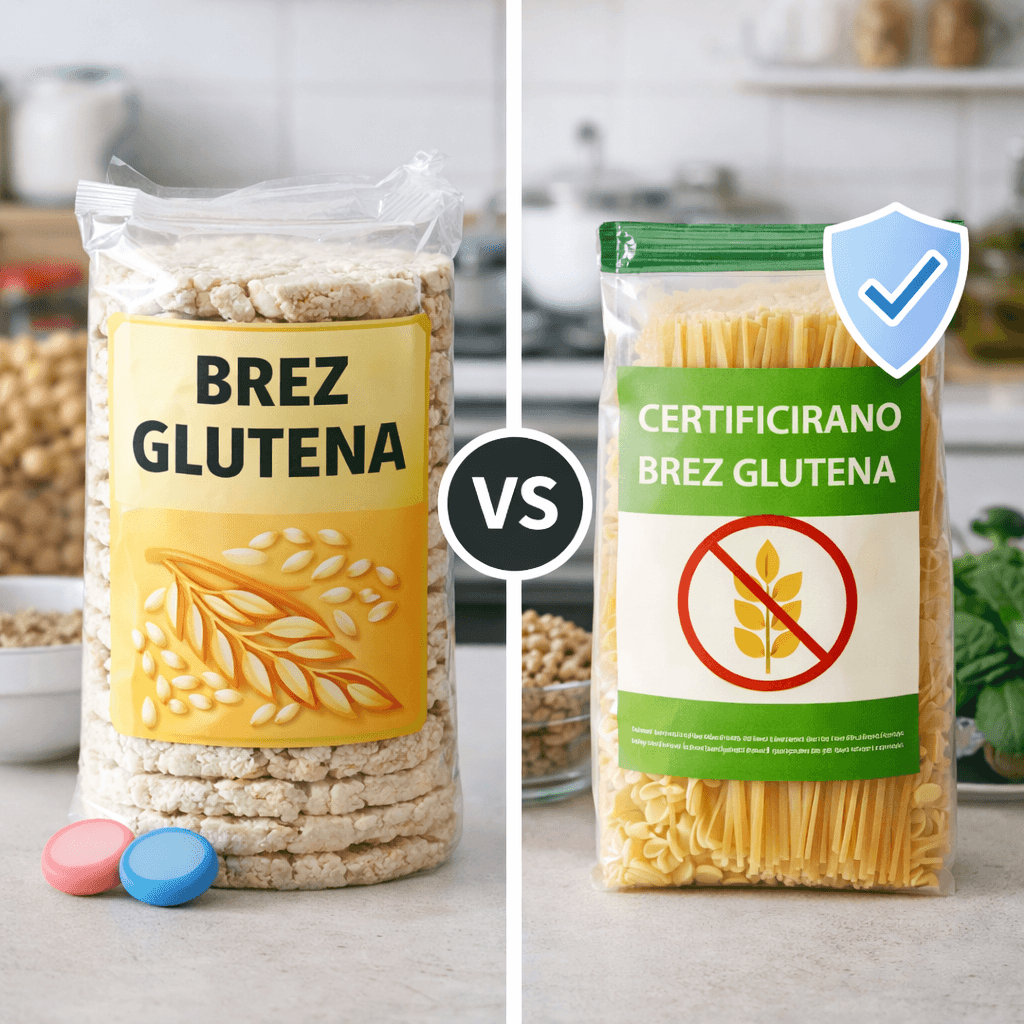
Labelled gluten-free vs. certified gluten-free
This is where most misunderstandings often occur.
Labelled gluten-free
A product labelled as ‘gluten-free’:
meets the legal requirement (less than 20 ppm of gluten)
is based on internal controls, documentation and food safety assurance systems
does not necessarily mean it has been independently tested or certified by a coeliac society
The manufacturer is legally responsible for the truthfulness of the claim and must prove it if requested by relevant authorities.
Certified gluten-free
Certification is separate and voluntary.
In most European countries:
the main coeliac society holds the licence to certify products (in Slovenia, this is the Slovenian Coeliac Society)
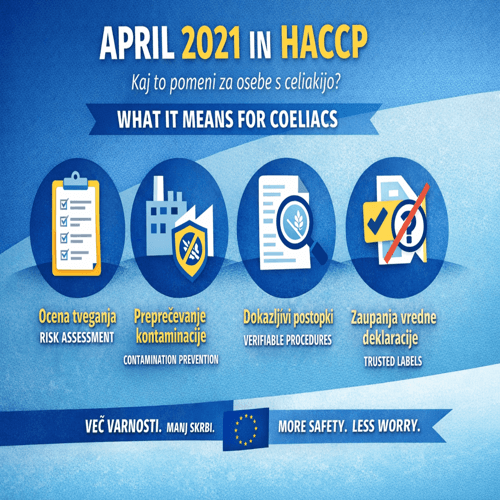
the process involves inspections of manufacturing facilities, monitoring of raw materials and suppliers, checking HACCP systems and continuous monitoring
often includes regular testing of final products
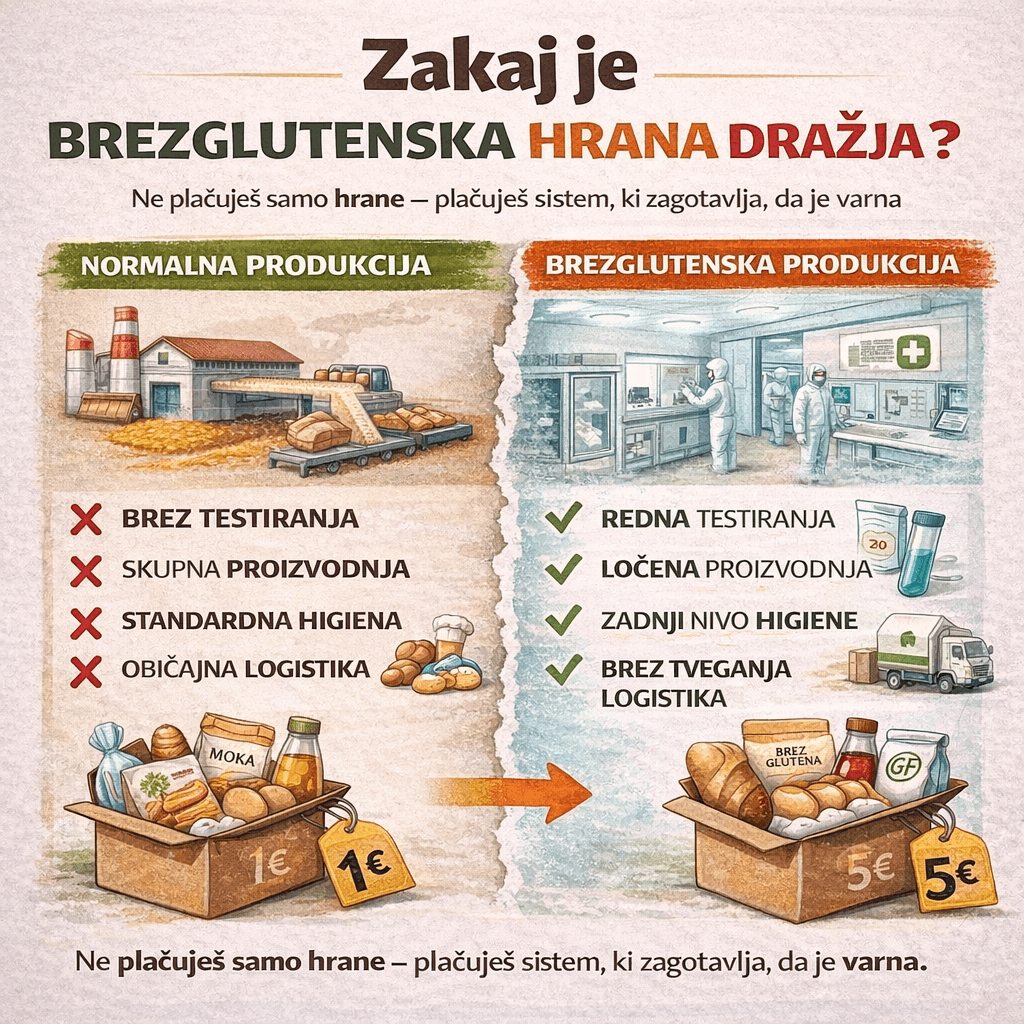
The process is lengthy and financially demanding, particularly for smaller manufacturers. Certified products usually carry a special symbol (crossed grain symbol) and are included in national registers.
The certificate provides an additional level of assurance, but is not a legal requirement.
Why do some manufacturers not label their product as gluten-free even if it is?
There are multiple reasons which are entirely legitimate.
Psychological and marketing reasons
Some consumers associate the term ‘gluten-free’ with a higher price, inferior taste or special diet products. For naturally gluten-free foods (e.g. yoghurts, chocolate, crisps, legumes), manufacturers sometimes consciously choose not to use the label.
Costs and administrative burden
Using a gluten-free label, especially certification, involves additional controls, documentation, certification body fees, and ongoing compliance costs. For smaller companies, this is often a significant financial burden.
Coordination for multiple markets
Many products are sold in multiple EU countries. In some countries, particularly Italy, gluten-free labelling is widespread due to national registers. Elsewhere, manufacturers only follow general EU legislation. The product is the same, but the labelling strategy differs.
Legal clarity
EU legislation does not require a product to be labelled as gluten-free if it does not contain gluten. Some manufacturers therefore choose to limit themselves only to mandatory declarations.
Italy: a special case, not a European standard
Italy is often cited as an example of a country where everything is ‘gluten-free’. The reason is the national register managed by the Italian Coeliac Association (AIC).
To be included in the register, manufacturers must complete additional procedures and label their product as ‘senza glutine’. This system is specific to Italy and exists alongside EU legislation.
Thus, an exact same product can be:
labelled as gluten-free in Italy
yet not labelled as such in Slovenia or elsewhere in the EU, but still equally safe when the declaration is read correctly
Why is reading declarations crucial
EU legislation is based on transparent allergen labelling, not on the mandatory use of specific labels.
The ability to read declarations enables people with coeliac disease to:
have a wider and safer choice of foods,
experience fewer unnecessary restrictions,
incur lower food costs,
enjoy a more balanced and varied diet.
Why would you forgo many tasty and safe foods just because they don't have a specific label?
Key message
Certified gluten-free means additional assurance, which is voluntary, often expensive, and varies by country.
Labelled gluten-free is a legally permissible statement and is not necessarily certified.
A product without a gluten-free label is not automatically dangerous.
Reading declarations is the foundation of a safe gluten-free diet in the EU.
Understanding these differences provides people with coeliac disease with knowledge, confidence, and freedom in their food choices – without fear.
Sources and additional reading:
– Regulation (EU) No 1169/2011 – Food information to consumers
– Regulation (EU) No 828/2014 – Requirements for the indication 'gluten-free'
– EFSA Journal (2014): Scientific Opinion on allergenic foods
– European Commission – guidelines on allergen labelling
– National certification schemes of coeliac societies
Blog posts